Oct 21, 2026
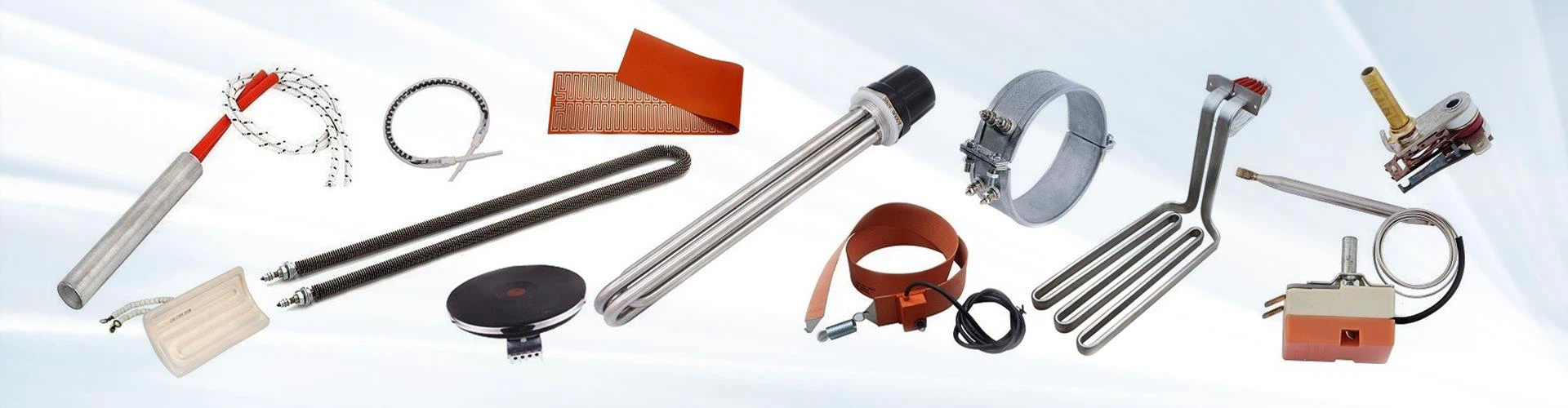
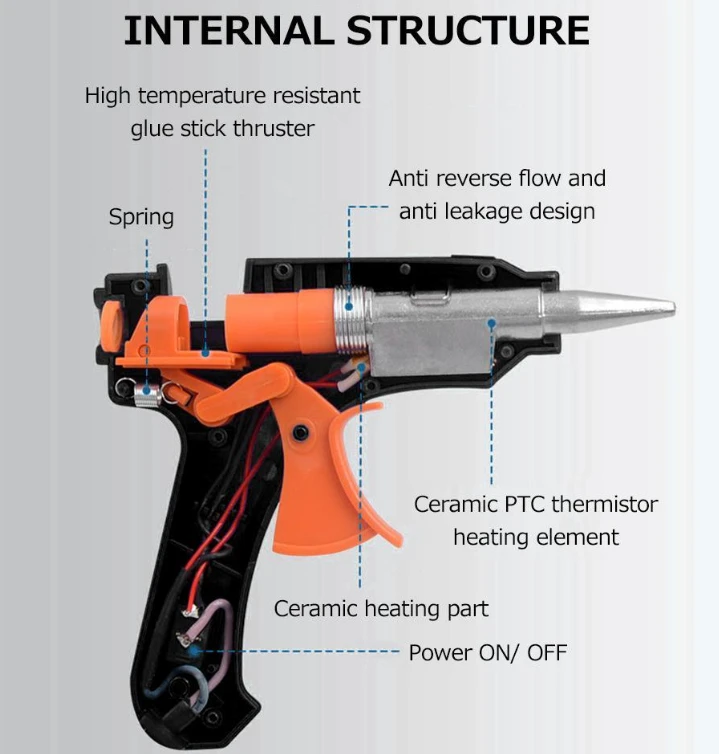
Positive Temperature Coefficient heaters are self-regulating heating components that can be used in hot melt glue guns to heat solid hot melt adhesive and maintain a suitable operating temperature. They are valued for their rapid heating, temperature stability, and built-in self-regulating characteristics.
In hot melt glue guns, PTC heaters help melt solid glue sticks into liquid adhesive, allowing users to apply glue smoothly for bonding, sealing, and assembly applications. Their compact structure also makes them suitable for portable and handheld heating tools.
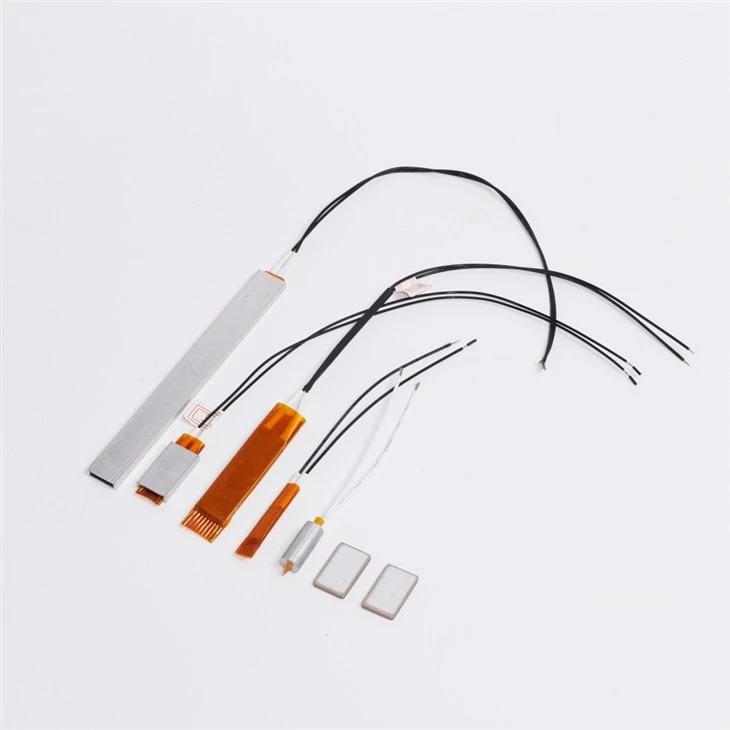
PTC heaters operate based on the positive temperature coefficient of their electrical resistance. As the temperature of the PTC heating element increases, its electrical resistance rises significantly, reducing the current and helping limit further temperature increases.
The heating process in a hot melt glue gun generally involves four steps:
The actual glue temperature depends on the heater design, thermal insulation, adhesive formulation, and heat loss during operation. A PTC heater's self-regulating behavior does not eliminate the need for appropriate thermal protection or temperature control where required.
Self-Regulating Heating
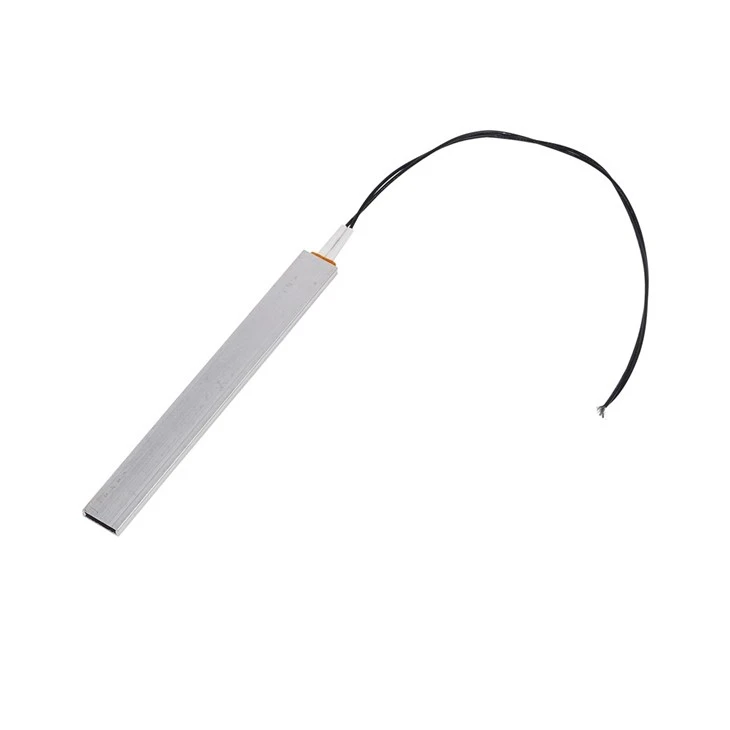
PTC heaters increase their electrical resistance as temperature rises, helping limit overheating and supporting more stable heating performance.
Compact Structure
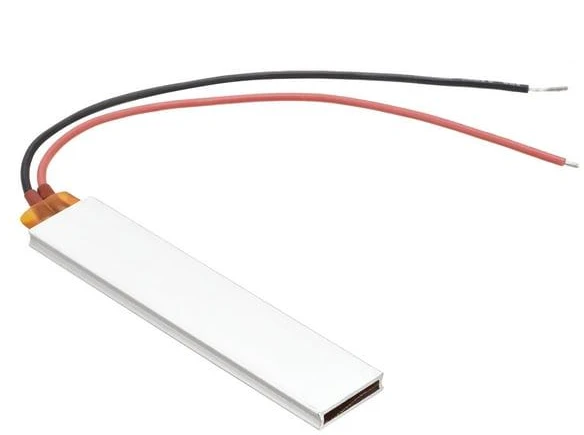
Their compact design makes PTC heaters suitable for small, portable glue guns where installation space is limited.
Consistent Adhesive Melting
With a properly designed heating assembly, PTC heaters help maintain the heat needed to melt adhesive and support smooth glue dispensing.
Energy Efficiency
As resistance rises at higher temperatures, electrical power can decrease. This may reduce energy consumption during temperature maintenance, depending on the overall design.
Selecting the right PTC heater is essential for ensuring reliable hot melt glue gun performance.
|
Parameter |
Key Considerations |
|---|---|
|
Rated voltage |
Must match the glue gun's power supply |
|
Operating temperature |
Must suit the adhesive's recommended melting temperature |
|
Dimensions |
Must fit the internal heating chamber |
|
Heat transfer |
Must provide effective thermal contact with the heating block |
|
Insulation and safety |
Must meet electrical insulation and product safety requirements |
The required heating power depends on the adhesive type, glue stick diameter, desired warm-up time, dispensing rate, and heat loss. The PTC element's resistance-temperature characteristics should also match the target operating conditions.
For applications requiring particularly stable adhesive temperatures, a PTC heater may be combined with a thermostat or temperature sensor and control circuit.
PTC heaters can be used in different types of hot melt glue guns, depending on the heater design and required temperature range.
Compatibility depends on the adhesive formulation, operating temperature, and heating assembly design. Not every PTC heater is suitable for every glue gun.

Q1: Why are PTC heaters suitable for hot melt glue guns?
PTC heaters offer compact construction and self-regulating heating characteristics. These features can help melt glue sticks while limiting excessive temperature rise when the heater is correctly matched to the application.
Q2: Do PTC heaters need a thermostat in a hot melt glue gun?
Not always. A PTC heater can regulate its own heating behavior through changes in electrical resistance. However, additional thermostats, temperature sensors, thermal fuses, or control circuits may still be necessary to meet temperature accuracy and safety requirements.
Q3: How do I choose the right PTC heater for a hot melt glue gun?
Consider the rated voltage, heating power, target operating temperature, physical dimensions, heat-transfer requirements, and adhesive specifications. Providing the glue gun's design drawings or existing heater parameters can help a manufacturer recommend a suitable solution.