Apr 16, 2026
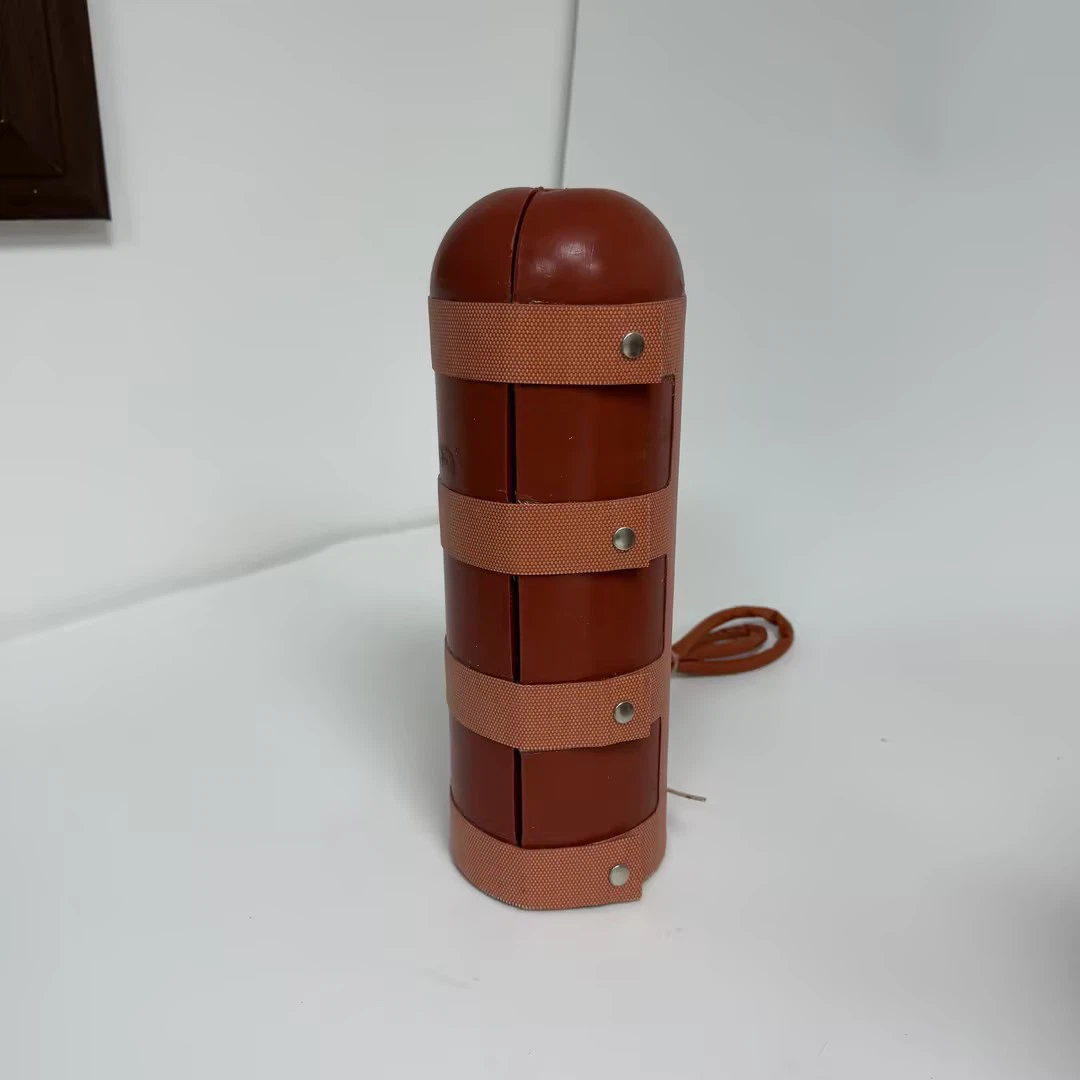
Silicone rubber heaters are increasingly applied in medical devices, particularly in respiratory systems such as ventilators, CPAP machines, and humidifiers. Their flexibility, stable thermal performance, and reliability under continuous operation make them suitable for environments where precise temperature control is essential. In a typical ventilator humidification module, maintaining gas temperature between 30°C and 37°C is critical to prevent airway irritation. In practice, manufacturers have observed that integrating silicone heating pads can reduce condensation-related issues by approximately 20–30% compared to non-heated systems, improving overall patient comfort and device efficiency.
Silicone rubber heaters are composed of resistance wire or etched foil embedded within layers of silicone elastomer, offering excellent thermal stability and electrical insulation. The material can typically withstand temperatures up to 200°C while maintaining flexibility, which allows it to conform to irregular surfaces such as curved humidifier chambers.
For example, in a respiratory humidifier water tank, a 24V silicone heater with a power density of 0.3–0.5 W/cm² is often applied to ensure uniform heat distribution. Compared to rigid mica heaters, silicone heaters can improve thermal contact efficiency by around 15%, as they minimize air gaps between the heater and the substrate. This results in faster heat transfer and more consistent temperature control.
In respiratory devices, silicone heaters are primarily used to heat and maintain the temperature of inhaled gases and to prevent condensation within tubing systems. Condensation, if uncontrolled, can lead to bacterial growth and reduced airflow efficiency.
A practical example can be found in heated breathing circuits, where silicone rubber heaters are wrapped around or integrated into the tubing. By maintaining the air temperature slightly above ambient levels (typically 2–5°C higher), condensation inside the tube can be reduced by up to 40%. Additionally, in neonatal ventilators, precise temperature control is even more critical, as fluctuations beyond ±1°C may impact patient safety. Silicone heaters, due to their rapid response time, are well-suited for such sensitive applications.
When designing silicone rubber heaters for medical applications, several factors must be considered, including power density, temperature uniformity, insulation, and safety compliance. Low and uniform watt density is preferred to avoid localized overheating, especially in devices that operate continuously for extended periods.
For instance, in a CPAP humidifier, engineers may select a heater with a maximum surface temperature of 60°C but operate it at 35–40°C to ensure long-term stability. The addition of temperature sensors such as NTC thermistors enables closed-loop control, reducing temperature deviation to within ±0.5°C. In real-world applications, this level of control has been shown to extend component lifespan by approximately 25% compared to open-loop systems.
Compared to other heating technologies such as cartridge heaters or ceramic heaters, silicone rubber heaters offer distinct advantages in medical applications. Cartridge heaters, while capable of higher power densities, are typically rigid and better suited for metal blocks rather than flexible or surface-mounted applications. Ceramic heaters provide good thermal efficiency but lack the conformability required for compact medical devices.
In one comparative study within a humidifier system, replacing a ceramic heater with a silicone rubber heater reduced overall energy consumption by around 10%, primarily due to improved heat transfer efficiency and reduced thermal losses. Furthermore, silicone heaters are lighter and easier to integrate, which is beneficial in portable medical devices where weight and space are critical factors.
Silicone rubber heaters play a vital role in modern respiratory medical devices by providing reliable, uniform, and controllable heating. Their flexibility, combined with stable thermal and electrical properties, allows for efficient integration into complex device structures. Through optimized design and proper control systems, these heaters not only enhance device performance but also contribute to patient safety and comfort. As medical technology continues to advance, silicone rubber heaters are expected to remain a key component in precision thermal management solutions.

If you require heating elements, Jaye Heater-as a long-standing manufacturer of heating elements-will assist you with our team of professional technicians and sales personnel.
Previous: How Polyimide Film Heaters Enhance Efficiency and Reliability in Water Purification Systems?
Next: How to Choose Between Thread Cartridge Heaters and Standard Cartridge Heaters?