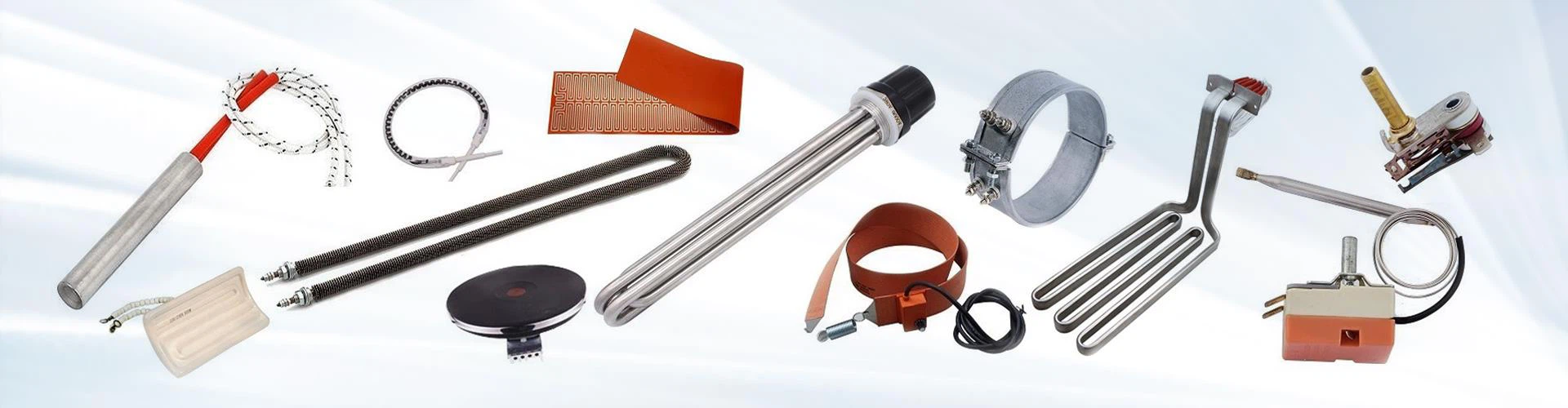
An SS (Stainless Steel) flange heater works in water by using electric resistance to generate heat, which is then directly transferred to the water through the stainless steel sheath of its heating elements. Think of it as a very powerful, industrial-strength version of the heating element in a kettle, but designed to be bolted directly onto a tank or vessel .
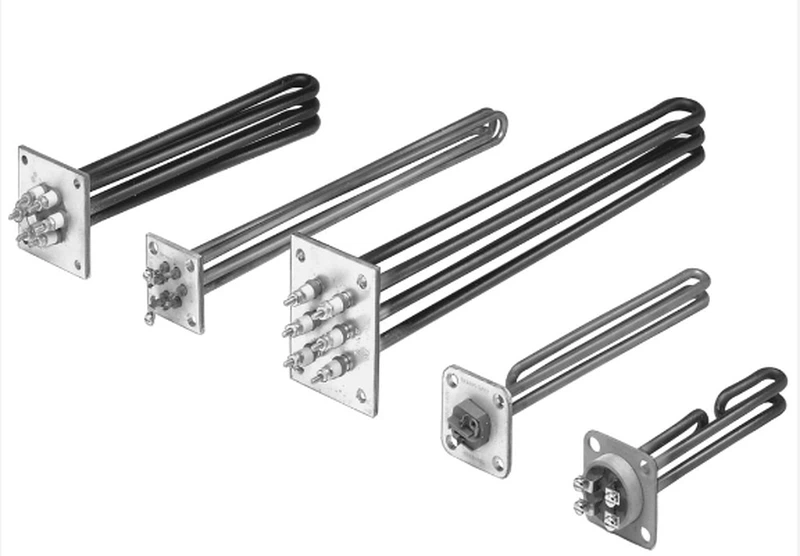
Here is a step-by-step breakdown of how it operates:
- Heat Generation: The core of the heater consists of U-shaped or hairpin-style tubular elements. Inside each tube is a high-resistance nickel-chromium wire, which is perfectly centered and insulated by compacted magnesium oxide powder . When an electric current passes through this wire, it resists the flow and generates intense heat.
- Heat Transfer: The stainless steel sheath (the outer tube) protects the internal components and is in direct contact with the water. The compacted magnesium oxide insulation is an excellent conductor of heat, efficiently transferring the heat from the internal wire to the stainless steel tube, and then directly into the surrounding water . This method is known as "direct heat application" .
- Installation and Mounting: These elements are welded or brazed into a stainless steel flange . This flange is what gives the heater its name. It is designed to be bolted onto a matching flange on the side or top of a water tank, boiler, or industrial vessel, providing a secure and leak-proof seal.

- Temperature Control and Safety: A flange heater is not just a simple heating stick; it's part of a system. To safely and accurately heat water, it is almost always used with a control system . This system typically includes:
- Temperature Sensors: Probes like thermocouples or RTDs (Resistance Temperature Detectors) are inserted into thermowells (protective tubes) that extend into the water . They constantly measure the water's temperature.
- Controller: This device receives the signal from the sensor. If the temperature is below the set point, it allows power to flow to the heater. Once the set point is reached, it cuts the power, often using a technique called PID control to maintain a very stable temperature
- Safety Devices: Critical safety features include high-limit sensors and "run-dry" protection. These will immediately cut power to the heater if the water level gets too low or the temperature exceeds a safe maximum, preventing the elements from overheating and burning out .
Key Design Features and Why Stainless Steel is Used
The use of stainless steel is crucial for water heating applications:
Corrosion Resistance: Stainless steel, particularly grades like SS304 and SS316L, offers excellent resistance to the corrosion and rust that can occur when metal is constantly immersed in water . For highly corrosive water (like saltwater), even more resistant alloys like titanium or Incoloy might be recommended .

- Hygienic and Sanitary: For applications involving food, beverage, or pharmaceutical processing, stainless steel provides a smooth, non-porous surface that is easy to clean and sanitize, preventing contamination .
- Efficient Heat Transfer: Stainless steel is a good conductor of heat, ensuring that the energy generated is efficiently transferred to the water.
- Critical Operating Rule: The most important rule for using a flange heater in water is that it must be fully immersed at all times during operation. Running it when not fully submerged ("dry firing") will cause the elements to overheat and fail rapidly .
In summary, an SS flange heater is a robust, efficient, and safe solution for heating water in industrial and commercial settings, leveraging the durability of stainless steel and precision electronic controls.
Contact now