Testing the quality of capillary thermostats is essential to ensure their accuracy and reliability in controlling temperature. Here are some steps you can follow to test the quality of capillary thermostats:
1. Visual Inspection
- Check for Physical Damage: Inspect the thermostat for any visible signs of physical damage, such as dents, cracks, or bent capillary tubes.
- Secure Connections: Ensure all electrical connections are secure and free from corrosion.
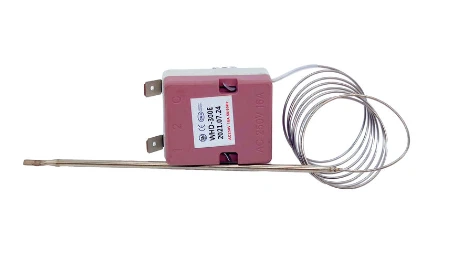
2. Resistance Testing
- Disconnect the Power: Before conducting any electrical tests, make sure the power is disconnected to avoid electrical shock.
- Use a Multimeter: Set your multimeter to the resistance (ohms) setting. Test the resistance across the thermostat terminals. Consult the thermostat's manual or specifications to find the expected resistance values at different temperatures.
- Compare Readings: Compare the measured resistance with the expected values. If they don't match, the thermostat might be faulty.
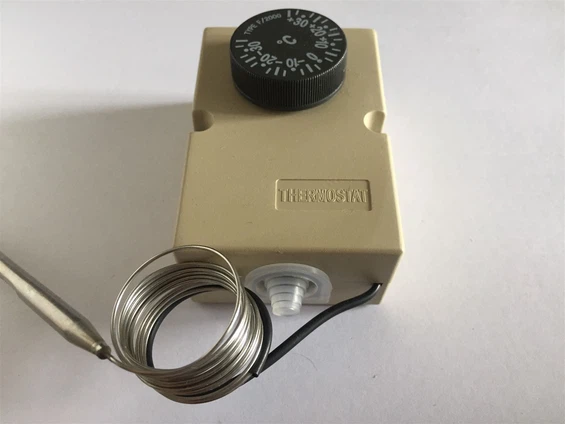
3. Temperature Testing
- Immerse in Water: Place the capillary tube of the thermostat in a container of water and seal the opening around the tube to prevent water from entering.
- Use a Thermometer: Insert a thermometer into the water and gradually heat the water while monitoring the temperature. Compare the water temperature with the thermostat's setpoint.
- Observe Operation: Observe the thermostat's operation as the temperature rises. It should activate or deactivate the connected device (e.g., heater) accurately at the setpoint temperature.
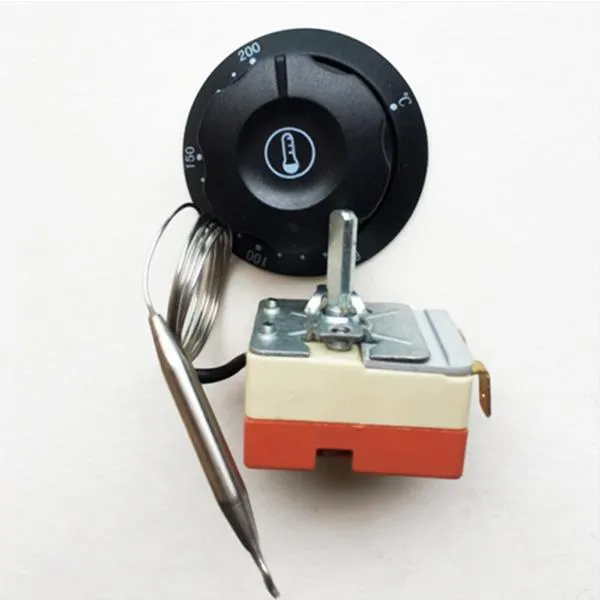
4. Functional Testing
- Connect to a Device: Connect the thermostat to the device it is intended to control (e.g., a heater or cooling system).
- Operational Test: Power up the system and observe how the thermostat maintains the temperature. It should cycle the connected device on and off to maintain the desired temperature accurately.
5. Long-Term Testing (Optional)
Extended Operation: If possible, leave the thermostat and the connected device operational for an extended period to observe its performance over time. This helps identify any issues that might occur after prolonged use.






