Oct 23, 2026
Industrial process heating requires more than a heating element that reaches the target temperature. Consistent heat transfer, suitable sheath materials, reliable electrical insulation, and a design that matches the application all affect performance and service life.
Watlow's WATROD tubular heaters are designed for a wide range of air and liquid heating applications, with different configurations available for industrial equipment. JAYE Heater also manufactures tubular heating elements and other industrial heaters for OEM equipment manufacturers and industrial heating systems.
For buyers comparing JAYE tubular heaters vs. Watlow WATROD, the key question is not simply which brand is better. It is which product meets the application's technical requirements, provides dependable performance, and offers the right balance between quality and cost.
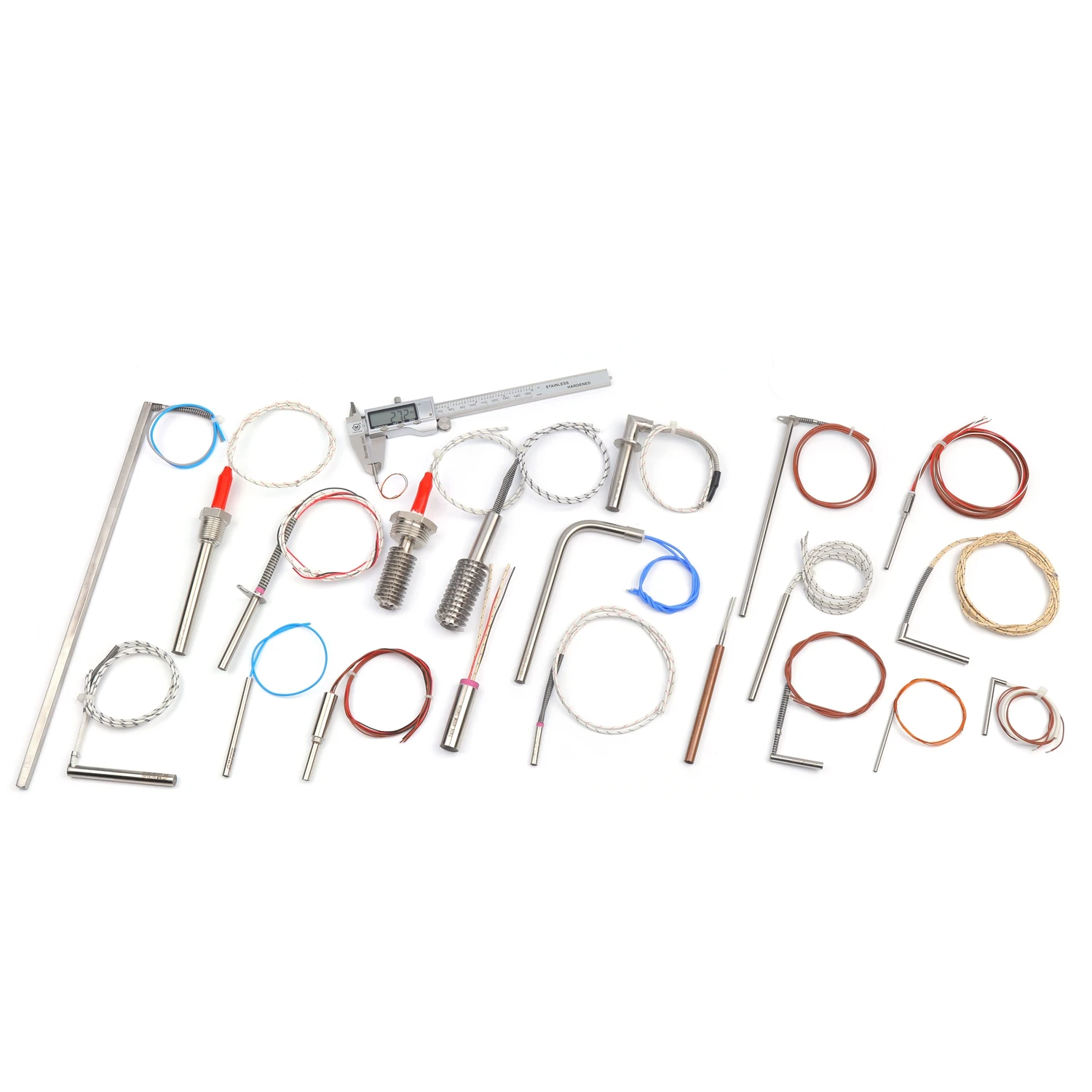
Both manufacturers offer heating solutions for industrial applications, but buyers may have different priorities when selecting a supplier.
| Comparison | JAYE Heater | Watlow WATROD |
|---|---|---|
| Main product focus | Industrial heating elements and customized OEM heating solutions | Industrial heating elements and engineered thermal solutions |
| Tubular heater designs | Straight, formed, finned, and application-specific configurations | Single-ended and double-ended configurations, with various mounting and termination options |
| Sheath materials | Selected according to product design and operating conditions | Material options vary by heater configuration |
| Customization | Dimensions, wattage, voltage, shape, and terminal arrangements can be discussed for custom projects | Product options and configurations depend on the selected model |
| Quality requirements | Manufacturing quality control and application-based specification review | Established industrial heating product range and engineering expertise |
| Pricing | Competitive pricing for suitable specifications and order quantities | Pricing depends on the selected product and commercial terms |
| Best reason to consider | Cost-effective customized heating elements and OEM sourcing | Buyers seeking WATROD-specific designs or other Watlow thermal solutions |
Note: This is a general supplier comparison, not a laboratory performance ranking. Actual specifications, certifications, service life, and pricing must be verified for the specific products being compared.
When comparing industrial tubular heaters, brand names alone do not determine whether a heating element will perform well in a particular machine. The construction, materials, manufacturing quality, and operating conditions all matter.
A typical tubular heating element contains a resistance wire surrounded by compacted magnesium oxide (MgO) insulation inside a metal sheath. This construction provides electrical insulation and helps transfer heat from the resistance wire to the sheath.
Watlow WATROD heaters use this general construction approach. JAYE also manufactures tubular heating elements based on established industrial heater construction principles.
For both brands, the finished product must meet the requirements of its intended application. Important considerations include resistance stability, insulation performance, sealing quality, dimensional accuracy, and the consistency of the manufacturing process.
The sheath protects the internal heating components and transfers heat to the surrounding medium. Choosing the right material is particularly important when the heater operates at elevated temperatures or comes into contact with corrosive liquids.
Common material options may include stainless steel and high-temperature alloys such as Incoloy, depending on the design.
JAYE can discuss sheath material selection according to the required operating temperature, heating medium, and working environment. Buyers should confirm the exact material grade and its suitability before placing an order.
A more expensive alloy is not necessarily required for every application. The objective is to select a material that provides the required performance and durability without adding unnecessary cost.
Watt density describes the electrical power applied per unit of the heater's active surface area. It is an important design factor because excessive surface loading can contribute to overheating, particularly when heat dissipation is limited.
For example, a tubular heater used to heat moving air may require a different design from one immersed in liquid. Flow rate, liquid level, contact conditions, and operating temperature can all affect the appropriate watt density.
JAYE can develop tubular heater specifications around the actual application rather than relying on wattage alone. The final design should be evaluated against the required heat output, operating conditions, and expected service life.
For industrial OEM customers, consistency across production batches is just as important as the performance of an individual sample.
JAYE Heater has been manufacturing heating elements since 2009 and operates production facilities with dedicated testing equipment and engineering resources. Its product range includes tubular heaters, cartridge heaters, band heaters, immersion heaters, and other industrial heating components.
For projects requiring repeat orders, buyers should discuss the acceptance criteria, electrical testing requirements, critical dimensions, and any documentation needed for production approval.
JAYE tubular heating elements can be configured for a range of industrial process heating applications, subject to the design and operating requirements.
Air heating and industrial ovens
Tubular heaters can be used in ovens, drying equipment, and air heating systems. Where airflow is a key factor, finned tubular heaters may increase the available heat-transfer surface area.
Liquid heating systems
Suitable tubular elements can be incorporated into immersion heating assemblies for heating water, oils, and other compatible liquids. The sheath material, power rating, immersion depth, and liquid properties must be considered during selection.
Plastic processing machinery
Industrial heating elements are used in plastic extrusion, injection molding, and other thermal processing equipment. Depending on the equipment design, cartridge heaters, band heaters, and specialized tubular elements may be more appropriate than a standard straight tubular heater.
Tanks, pipes, and process equipment
Tubular elements can be bent, mounted, or integrated into suitable assemblies for heating tanks, pipes, and metal surfaces. The mounting method and contact conditions affect heat transfer and should be specified during the design stage.
The most suitable configuration depends on the equipment rather than the brand alone.
Watlow is an established name in industrial heating, and its WATROD range offers a variety of configurations for air and liquid heating. JAYE does not need to be positioned as a replacement for every WATROD model to be a strong alternative for industrial buyers.
There are several reasons to include JAYE in a supplier evaluation.
For many OEM projects, purchasing cost is an important part of the overall decision. JAYE offers competitively priced heating elements and can evaluate custom requirements based on the intended application and order quantity.
Depending on the specification, quantity, and commercial terms, JAYE may offer a lower purchase price than a comparable branded solution.
A lower quotation should not automatically be taken to mean lower quality. Equally, price alone cannot establish that two products are equivalent. The appropriate comparison is between heaters that meet the same technical requirements and acceptance criteria.
Standard catalogue products do not always fit the available installation space or the design of an existing machine.
JAYE can discuss custom dimensions, bent shapes, sheath materials, voltage, wattage, and terminal configurations. This can be useful for equipment manufacturers developing new products or sourcing replacement heating elements.
For an accurate assessment, buyers should provide the existing heater drawing, photographs, electrical specifications, operating temperature, and heating medium.
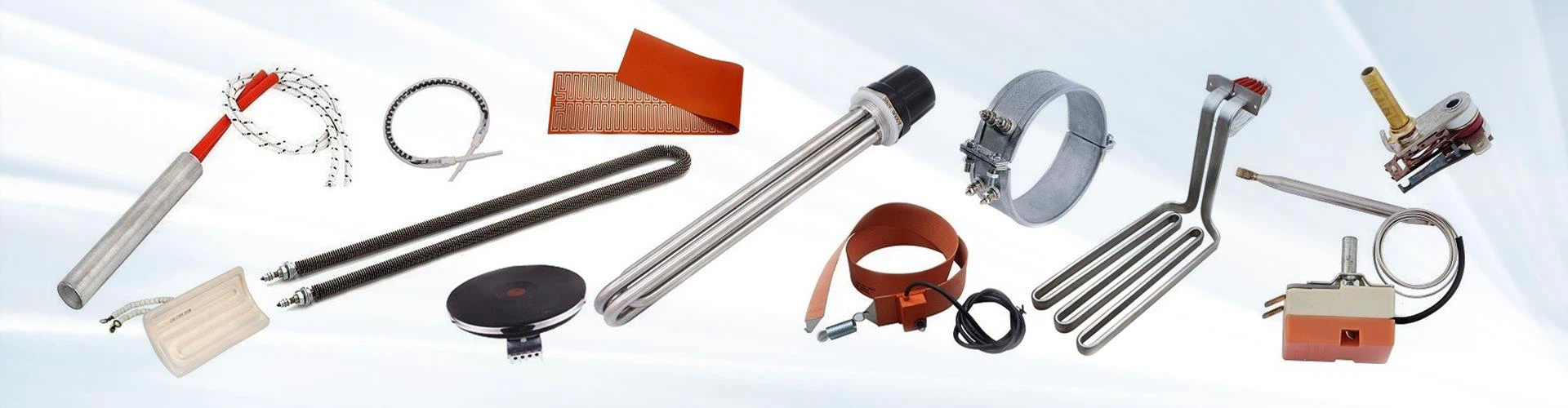
Tubular heaters are only one part of JAYE's industrial heating product range. Depending on the project, buyers can also discuss:
Having access to multiple heater types through one supplier can simplify sourcing when a machine incorporates several different heating methods. Availability and customization depend on the specific product and project requirements.
OEM manufacturers often need a supplier that can maintain agreed specifications over repeated orders. JAYE works with industrial customers on customized heating components and can discuss product requirements, sample evaluation, production quantities, and repeat-order arrangements.
For projects moving from prototype to serial production, both parties should agree on the approved drawing, electrical tolerances, inspection requirements, and any applicable certification requirements before production begins.
The right supplier depends on what the project needs most.
| Your priority | What to evaluate |
|---|---|
| Existing WATROD replacement | Dimensions, voltage, wattage, sheath material, terminal arrangement, and installation compatibility |
| Lower purchasing cost | Comparable specifications, quotation, order quantity, and total landed cost |
| Custom heater design | Engineering support, available materials, dimensional flexibility, and sample approval |
| High-temperature operation | Maximum permitted sheath temperature, watt density, and operating environment |
| Long service life | Heat dissipation, sealing, insulation quality, material compatibility, and maintenance conditions |
| Serial production | Batch consistency, inspection criteria, delivery schedule, and repeat-order capability |
If a heater is being used to replace an existing WATROD element, matching its external dimensions and electrical rating is only the first step. A replacement should also be evaluated for heat output, surface loading, terminal temperature, mounting conditions, and compatibility with the existing temperature-control system.
For critical applications, sample testing under the actual operating conditions is the best way to confirm suitability before switching suppliers.
Both suppliers offer industrial heating elements, but product quality and performance depend on the specific model and application. JAYE manufactures tubular heaters using established heating-element construction methods and provides customized solutions for industrial customers. A direct comparison should consider electrical performance, materials, dimensional tolerances, testing results, and service life under equivalent conditions.
JAYE offers competitive pricing and may provide a lower purchase price for comparable specifications. However, the actual difference depends on the heater design, material, quantity, and order terms. Buyers should compare equivalent specifications and include shipping, installation, and maintenance costs when evaluating the overall value.
JAYE can review a replacement project based on the original heater's specifications. Please provide a drawing or clear photographs, overall dimensions, voltage, wattage, sheath material if known, terminal details, and operating conditions. Engineering review and sample testing may be necessary before confirming compatibility.
Looking for a cost-effective tubular heater for your industrial equipment? Contact JAYE Heater with your drawings, specifications, or existing heater details. Our team can review your requirements and help identify a suitable heating solution for your application.

Upgrade your heating systems with Jaye Heater's premium components. For reliable heating elements and precise thermal controllers that ensure performance and safety, contact our experts today for a quote and technical support. Let's find your perfect heating solution.
Previous: How to Choose the Right Sheath Material for Tubular Heating Elements?
Next: JAYE Immersion Heater vs. Watlow Immersion Heater: Tank Heating Comparison