
Aug 31, 2026
A PTC cartridge heater is a tubular heating element that uses a Positive Temperature Coefficient (PTC) ceramic heating core as the heating source.
The typical structure includes:
When electrical power is supplied, the PTC ceramic element generates heat and transfers it through the metal tube to the surrounding medium.
The basic working principle is:
Electrical Energy → PTC Ceramic Element → Stainless Steel Tube → Water Heating
Unlike conventional resistance heaters, PTC heating elements have a self-regulating characteristic.
At lower temperatures, the PTC element has lower resistance and produces higher heating power.
As the temperature rises, the resistance increases, reducing the power output and helping maintain a more stable temperature range.
This unique characteristic allows PTC heaters to provide safer heating performance in many applications.
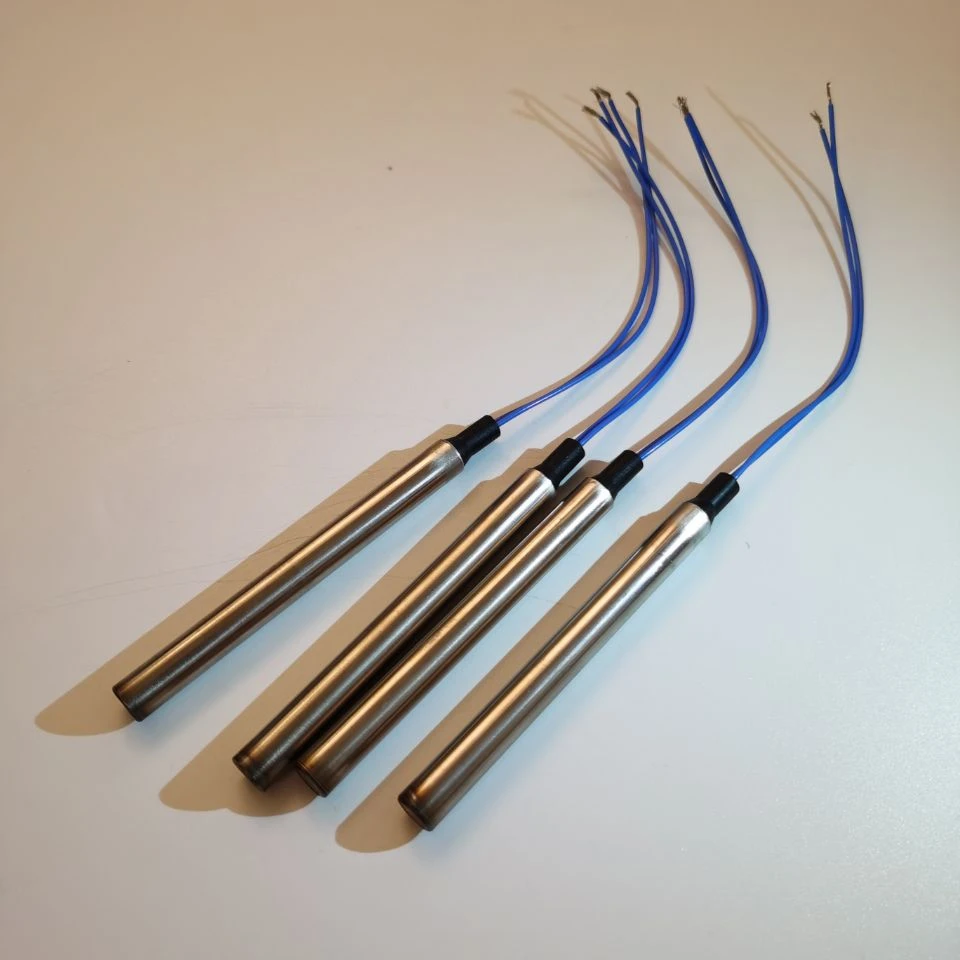
Instant water heating equipment has several important requirements:
PTC cartridge heaters are designed to meet these requirements.
Space is often limited in instant water heating equipment.
Unlike large traditional heating tanks, compact water heating systems require heating components that can deliver sufficient heat within a small installation area.
The cylindrical design of a PTC cartridge heater allows it to be directly installed into a heating chamber or metal housing.
The heat is transferred through the stainless steel tube surface, allowing water to quickly absorb thermal energy.
This makes PTC cartridge heaters suitable for:
Instant water dispensers
Portable water heaters
Small beverage machines
Compact household appliances
One of the biggest advantages of PTC technology is its self-regulating behavior.
Traditional heating elements normally continue producing heat according to their resistance value unless controlled by an external thermostat or protection device.
PTC heating elements behave differently.
When the temperature approaches the designed operating range:
PTC temperature increases
↓
Electrical resistance rises
↓
Heating power decreases
↓
Temperature becomes more stable
This characteristic helps reduce the risk of excessive heating caused by abnormal conditions.
For water heating applications, this provides an additional safety advantage.
Many modern appliances require smaller and lighter heating systems.
Examples include:
Countertop water dispensers
Portable camping water heaters
Coffee equipment
Small household appliances
The compact structure of a PTC cartridge heater allows engineers to integrate the heating element into limited spaces.
Compared with traditional heating solutions, PTC cartridge heaters can provide an efficient heating solution without requiring a large heating chamber.
Safety is one of the most important considerations in liquid heating equipment.
Potential problems in traditional heating systems may include:
Overheating
Dry heating conditions
Excessive temperature rise
PTC cartridge heaters provide a natural temperature-limiting characteristic because the heating output decreases as the temperature increases.
However, the complete heating system design is still important.
Engineers should consider:
Water flow rate
Installation structure
Temperature sensor location
Power supply design
Control system
The heater should always be evaluated together with the complete equipment.

A typical instant water heating system includes:
Water inlet
Heating chamber
PTC cartridge heater
Temperature sensor
Control system
Hot water outlet
The working process:
Cold Water Entry
↓
Water Passes Through Heating Chamber
↓
PTC Cartridge Heater Transfers Heat
↓
Temperature-Controlled Hot Water Output
The heater does not simply generate heat; it works together with the water flow design and control system to achieve the required heating performance.

When designing a PTC cartridge heater for an instant water heating system, several factors should be considered:
| Parameter | Consideration |
|---|---|
| Heater Type | PTC cartridge heater |
| Heating Medium | Water or liquid |
| Voltage | Based on equipment power supply |
| Power Output | According to heating capacity requirement |
| Heater Diameter | Matching installation space |
| Heater Length | Based on heating chamber design |
| Tube Material | Selected according to working environment |
| Connector Design | Based on installation method |
| Wire Type | According to temperature and safety requirements |
| Temperature Characteristics | Matching required operating range |

For OEM manufacturers, selecting a heating element is only one part of the design process.
A reliable heating system requires consideration of:
Water Flow Design
The water flow rate directly affects heating performance.
Higher flow rates require different heating power compared with slower flow applications.
Heater Installation
Good contact between the heater and heating chamber improves heat transfer efficiency.
Material Selection
The tube material and sealing structure should match the working environment.
Power Matching
The heater power should be selected according to:

PTC cartridge heaters provide an efficient solution for modern instant water heating systems where compact design, safety, and temperature stability are required.
Their tubular structure, fast heat transfer capability, and self-regulating temperature characteristics make them suitable for water dispensers, beverage equipment, portable heaters, and other liquid heating applications.
For equipment manufacturers, choosing the right heating element requires evaluating the complete system design, including water flow, installation structure, power requirements, and temperature control method.
JAYE Heater provides customized PTC cartridge heaters for OEM applications. Based on your equipment design, voltage, power requirements, dimensions, and installation method, we can help develop a suitable PTC heating solution.






