Oct 27, 2026
When replacing a Watlow FIREBAR® heater, matching the original dimensions and wattage is an important starting point-but it is not the whole process.
The cross-section, heated length, cold zones, connection design, sheath material, and operating conditions also affect whether a replacement will fit and perform as required.
JAYE Heater manufactures custom flat tubular heating elements that can be evaluated as alternatives to Watlow FIREBAR heaters.
By working from an existing part number, technical drawing, sample, or complete specification, JAYE can assess manufacturing feasibility and develop a replacement to meet the agreed mechanical and electrical requirements.
For OEMs, maintenance teams, and industrial equipment manufacturers seeking an alternative supply source, this guide explains the key parameters to compare before requesting a replacement quotation.
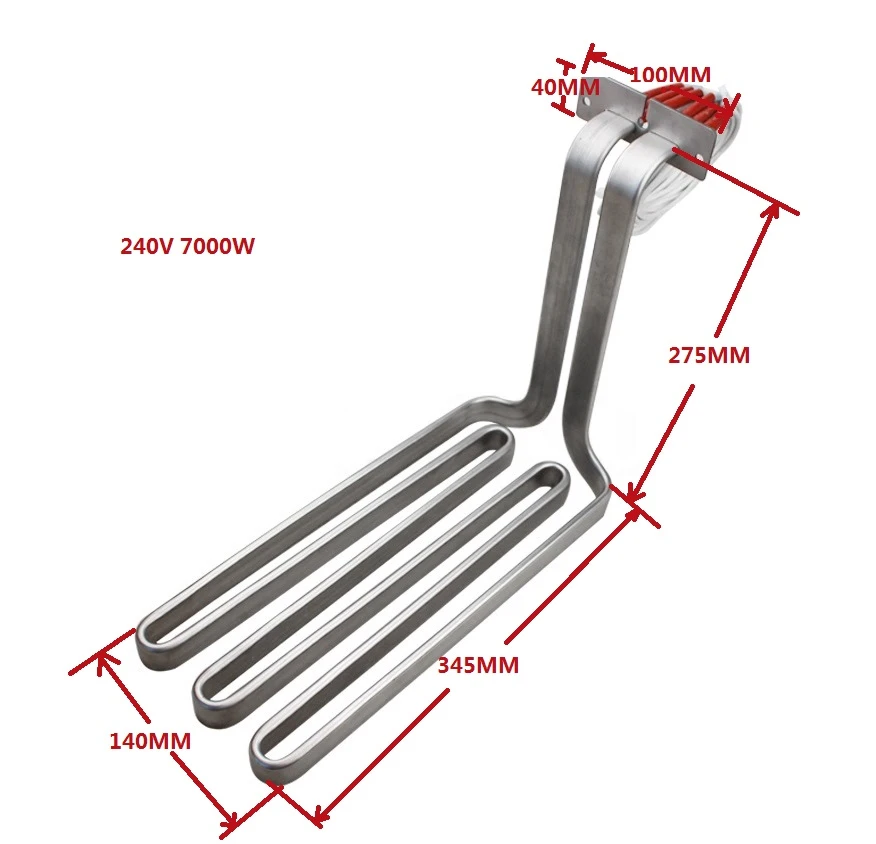
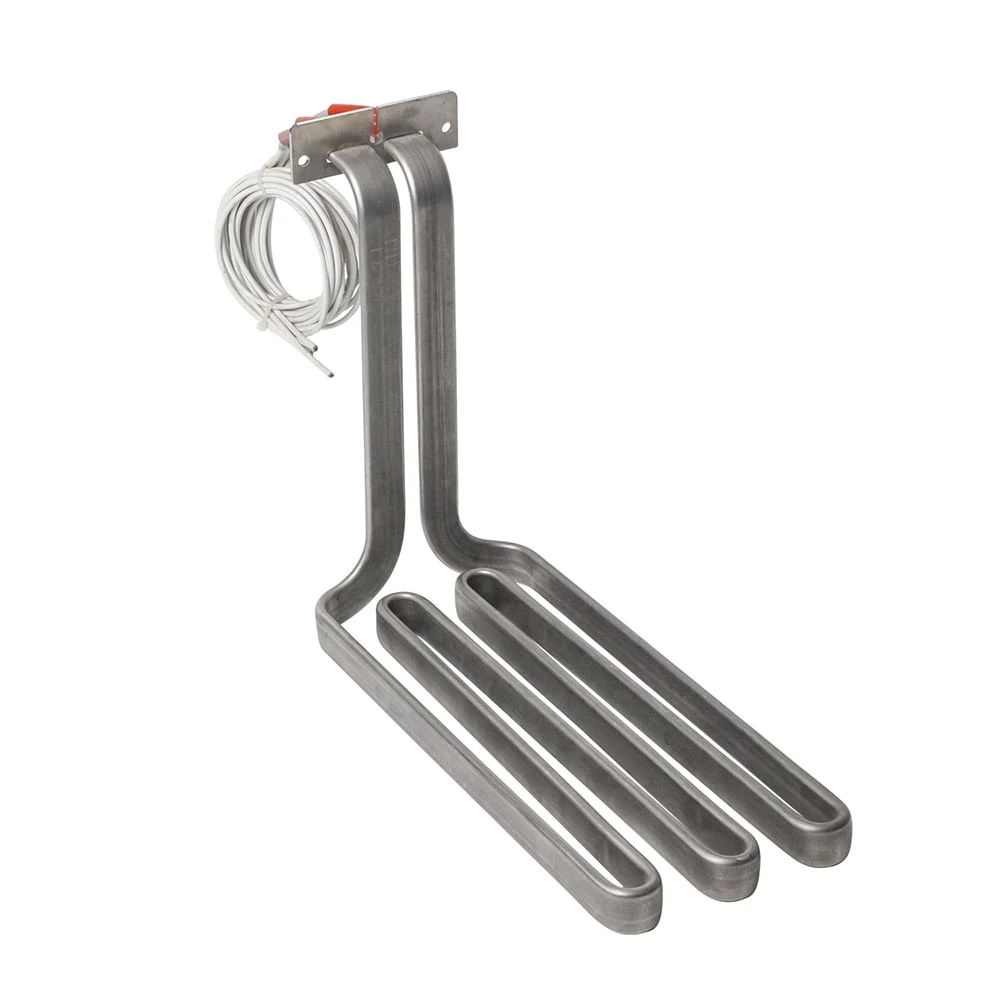
JAYE HEATER FLAT TUBULAR HEATING ELEMENT
Flat tubular heating elements use a flattened cross-section to provide a different surface-area-to-length relationship from conventional round tubular elements.
Depending on the design and application, this geometry can help accommodate installation spaces where a round element may not fit as required.
Industrial flat tubular heaters are available in different cross-sections, lengths, connection arrangements, and sheath materials. Specific constructions may include single-ended or double-ended connections, depending on the design. [1]
JAYE offers flat tubular heating elements in several cross-sections and can evaluate customized configurations according to project requirements. The actual dimensions and construction should be confirmed for each application. [2]
When assessing a replacement, the key question is not simply whether the new element looks similar. Its dimensions, electrical ratings, mounting interfaces, and intended operating conditions must be reviewed together.
A replacement element needs to fit the available space and connect correctly to the existing equipment. Comparing only the overall length is not sufficient.
| Parameter | What to check | Why it matters |
|---|---|---|
| Overall length | Total element length, including non-heated sections where applicable | Determines whether the element fits the available space |
| Heated length | Actual length of the active heating section | Influences the distribution of heat along the element |
| Cross-section | Height, thickness, profile, and tolerances | Affects installation fit and heating surface geometry |
| Cold zones | Length and position of non-heated sections | Helps keep heat away from terminals, seals, or mounting areas |
| Connection design | Terminal or lead-wire arrangement and connection position | Must match the electrical connection and installation requirements |
| Mounting features | Bends, fixing points, bushes, brackets, or other interfaces | Determines whether the element can be installed securely |
| Sheath material | Specified metal or alloy | Must be appropriate for the working environment |
| Lead details | Lead length, insulation, exit direction, and terminal dimensions | Helps prevent wiring and assembly problems |
Manufacturer catalogs show that flat tubular heating elements are available in multiple nominal cross-sections. These dimensions vary by product and configuration, so a published size should not be treated as universal. [1][2]
For a replacement project, the original drawing or a measured sample is the preferred reference. JAYE can use the supplied information to assess whether the required geometry and connection arrangement are feasible.
A dimensional and electrical match does not automatically establish suitability for the working environment.
When assessing a replacement, confirm the following:
Published heater specifications can include material-specific temperature limits and configuration-specific watt-density limits. These values should be checked against the applicable model documentation rather than applied as universal limits. [1]
The replacement specification should therefore be reviewed against the actual working conditions. Material selection and allowable watt density should not be inferred from external shape alone.
JAYE flat tubular heating elements can be evaluated as replacement options for suitable applications. The final configuration depends on the original heater specifications, the working conditions, and manufacturing feasibility.
JAYE's product range includes multiple flat tubular cross-sections and customized configurations for evaluation. This provides a starting point for developing an alternative element for equipment manufacturers and industrial users. [2]
A replacement project can be assessed in three steps:
The goal is to develop a replacement that meets the agreed requirements-not simply to produce an element with a similar appearance.
Where the original design includes special mounting features, unusual cross-sections, or demanding thermal conditions, those details should be reviewed before the final specification and quotation are confirmed.
Related product: JAYE Flat Tubular Heater.
To evaluate a replacement accurately, please provide as many of the following details as available.
| Required information | Preferred details |
|---|---|
| Original heater | Part number, product label, drawing, or physical sample |
| Dimensions | Overall length, heated length, cross-section, cold zones, and tolerances |
| Electrical rating | Voltage, wattage, phase where relevant, and quantity |
| Connections | Lead wires or terminals, connection position, lead length, and terminal dimensions |
| Material | Original sheath material or required material |
| Application | Heated medium, installation method, and operating temperature |
| Operating conditions | Continuous or intermittent use, circulation or airflow, and other relevant conditions |
| Quality requirements | Applicable certifications, inspection criteria, or test requirements |
A technical drawing is the preferred reference. If a drawing is unavailable, clear photographs with measured dimensions and the original part number can help establish the initial requirements.
JAYE can then review the available information and identify the specifications that need confirmation before proceeding.
JAYE can evaluate the requested voltage and wattage as part of a custom flat tubular heater project. The proposed element must also be checked for dimensional fit, connections, material, and application requirements.
Not automatically. The two geometries have different surface-area relationships and may behave differently in the same installation. Suitability should be reviewed against the available space and required thermal performance.
JAYE publishes several flat tubular heater cross-sections and indicates that customized sizes can be evaluated. The feasibility of a particular cross-section, tolerance, length, and connection arrangement must be confirmed for the specific project. [2]
No. Wattage is only one factor. Active heating surface area, geometry, material, heated medium, mounting conditions, and the operating environment also influence performance.
A technical drawing, physical sample, product label, or measured dimensions can help establish the required specification. The more complete the information, the easier it is to assess a suitable replacement.
[1] Watlow - FIREBAR® Heaters
Official product information covering product configurations, applications, geometry, and published specifications.
[2] JAYE Heater - Flat Tubular Heater
JAYE product information covering available cross-sections, material options, and customized configurations. Confirm actual dimensions, ratings, and manufacturing feasibility for the specific project.
[3] Watlow - Tubular Heaters Catalog
Catalog reference for dimensional drawings and model-specific specifications. Check the applicable model and catalog revision before using dimensions for a purchasing decision.
[4] Watlow - WATROD™ and FIREBAR® Heater Installation and Maintenance Manual
Additional reference for installation and maintenance considerations.
Trademark notice: Watlow and FIREBAR® are trademarks of their respective owner. They are mentioned solely to identify the original product discussed in this comparison. JAYE Heater is an independent manufacturer and does not imply affiliation with or endorsement by the trademark owner.
Previous: How PTC Tubular Heaters Work in Condensate Evaporation Trays?
Next: How to Choose Between U-Shaped and Straight Tubular Heating Elements?