Apr 15, 2025
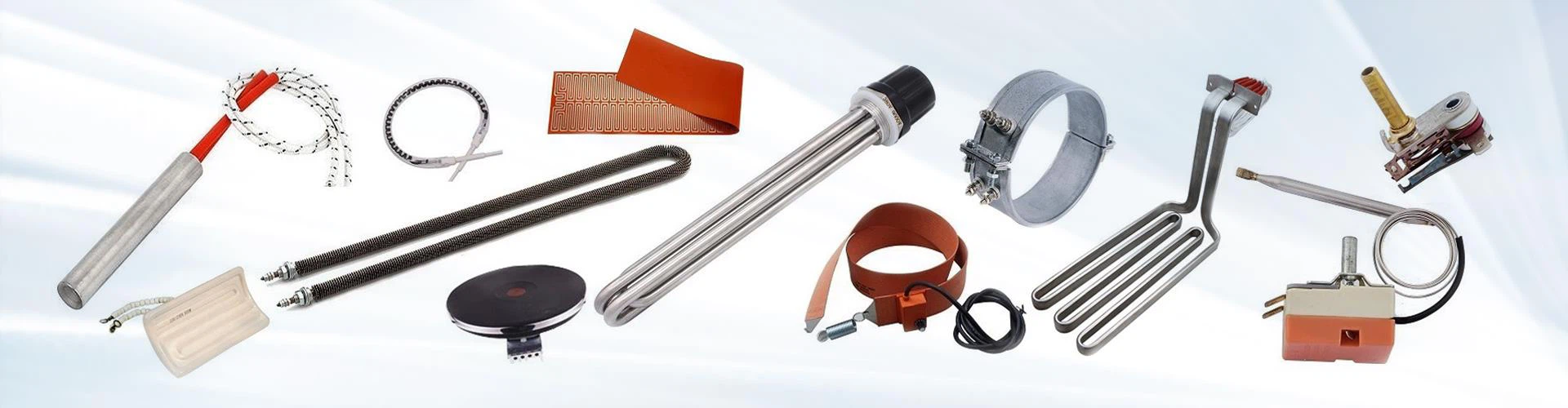
The primary function of oil fryer heating elements is to rapidly heat the oil and maintain a consistent temperature to ensure even cooking and optimal frying results. The most common types of heating elements used in oil fryers include:
Tubular Heaters: The most widely used heating element in oil fryers, typically made from high-temperature resistant metals like stainless steel. These heaters work by heating a metal coil or aluminum alloy inside the tube, which then heats the oil. Tubular heaters are known for their durability, corrosion resistance, and high heat transfer efficiency.
PTC Heaters (Positive Temperature Coefficient Heaters): PTC heaters are becoming increasingly popular in deep fryers due to their self-regulating properties. As the temperature rises, the resistance of the PTC material increases, which reduces the current flow and prevents overheating. These heaters offer excellent energy efficiency, temperature stability, and protection against overheating, making them ideal for applications requiring precise temperature control.
Ceramic Heaters: Ceramic heating elements are known for their excellent heat conductivity and high-temperature resistance. They offer fast, uniform heating, making them ideal for frying applications where precise temperature control and quick heat recovery are crucial. Ceramic heaters are also more energy-efficient compared to traditional metal-based elements.
As the demand for energy-efficient, durable, and fast-heating solutions continues to grow, manufacturers are focusing on improving the design and materials used in heating elements. Some of the key innovations include:
Energy-Efficient Heating: With increasing energy costs and environmental concerns, there is a growing emphasis on developing heating elements that maximize energy use while minimizing energy waste. New materials, such as carbon-based conductive coatings, are being used to improve the heat transfer efficiency of heating elements, resulting in faster cooking times and reduced energy consumption.
Advanced Temperature Control: Modern oil fryers now feature sophisticated temperature control systems that allow users to set and maintain precise frying temperatures. Some heating elements are integrated with advanced sensors and microcontrollers to ensure that the oil temperature stays within the optimal range, reducing the risk of overcooking or undercooking.
Enhanced Durability and Corrosion Resistance: Oil fryers are subject to harsh conditions, including high temperatures and exposure to oils and fats, which can cause corrosion over time. To address this, manufacturers are using more advanced materials, such as titanium alloys and specialized coatings, to enhance the durability and corrosion resistance of heating elements.
Compact and Space-Saving Designs: In modern commercial kitchens, space is often limited. As a result, there is a trend towards designing more compact and efficient heating elements that take up less space while still delivering high performance. This allows for better utilization of kitchen space and improves the overall design of the fryer.
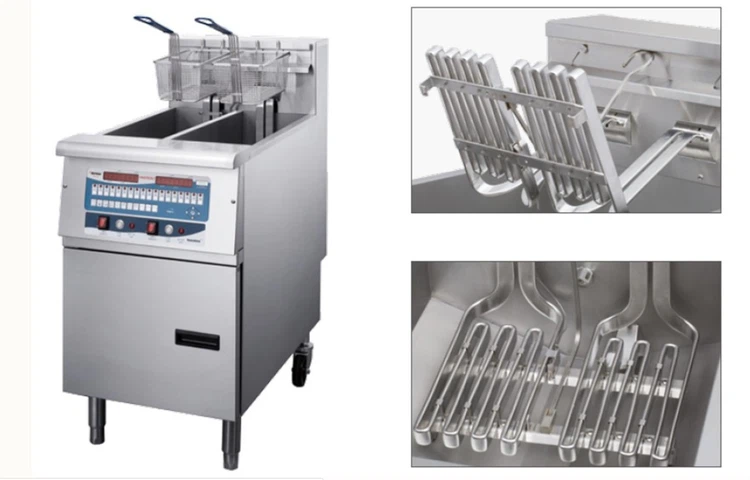
When selecting the appropriate heating element for an oil fryer, several factors should be considered:
Efficiency: The energy efficiency of the heating element is crucial for reducing operating costs and minimizing the environmental impact. Look for heating elements with high thermal efficiency that can quickly and evenly heat the oil.
Durability: Deep fryers operate under intense conditions, and the heating element must be able to withstand constant exposure to high temperatures and oils. Choose elements made from materials known for their durability and resistance to corrosion.
Safety Features: Since oil fryers deal with hot oils, safety is paramount. Ensure that the heating element is equipped with built-in safety features, such as overheat protection and thermal cutoffs, to prevent accidents and extend the lifespan of the equipment.
Ease of Maintenance: Heating elements that are easy to clean and maintain can save time and money in the long run. Opt for elements that can be easily removed and cleaned without the need for specialized tools or extensive disassembly.
As the foodservice industry continues to evolve, the demand for advanced and efficient oil fryer heating elements will only increase. Future developments will likely focus on further improving energy efficiency, enhancing temperature control, and developing more sustainable materials. Additionally, smart technologies may be integrated into fryers to allow for real-time monitoring and remote control, giving operators more control over their cooking processes.
In conclusion, the oil fryer heating element industry is rapidly evolving, driven by advancements in technology and increasing demands for energy efficiency, durability, and safety. By staying up-to-date with the latest trends and innovations, manufacturers can ensure they are meeting the needs of the modern foodservice industry while also contributing to a more sustainable future.
Previous: The Silent Profit Killer in Your Kitchen (And How to Outsmart It)
Next: No Information




