Jun 24, 2025
As a professional designing or specifying heating solutions, you understand that precision, space utilization, and thermal efficiency directly impact performance. Here's why a square hot plate delivers distinct advantages over circular designs for your projects:
Square plates align perfectly with square or rectangular vessels (pans, reactors, trays). Unlike circular plates, you eliminate wasted corner gaps, ensuring 100% contact between the heater and your vessel's base. This translates to faster heat transfer, lower energy consumption, and more uniform heating across the entire vessel bottom. You get more usable heating area within the same footprint.
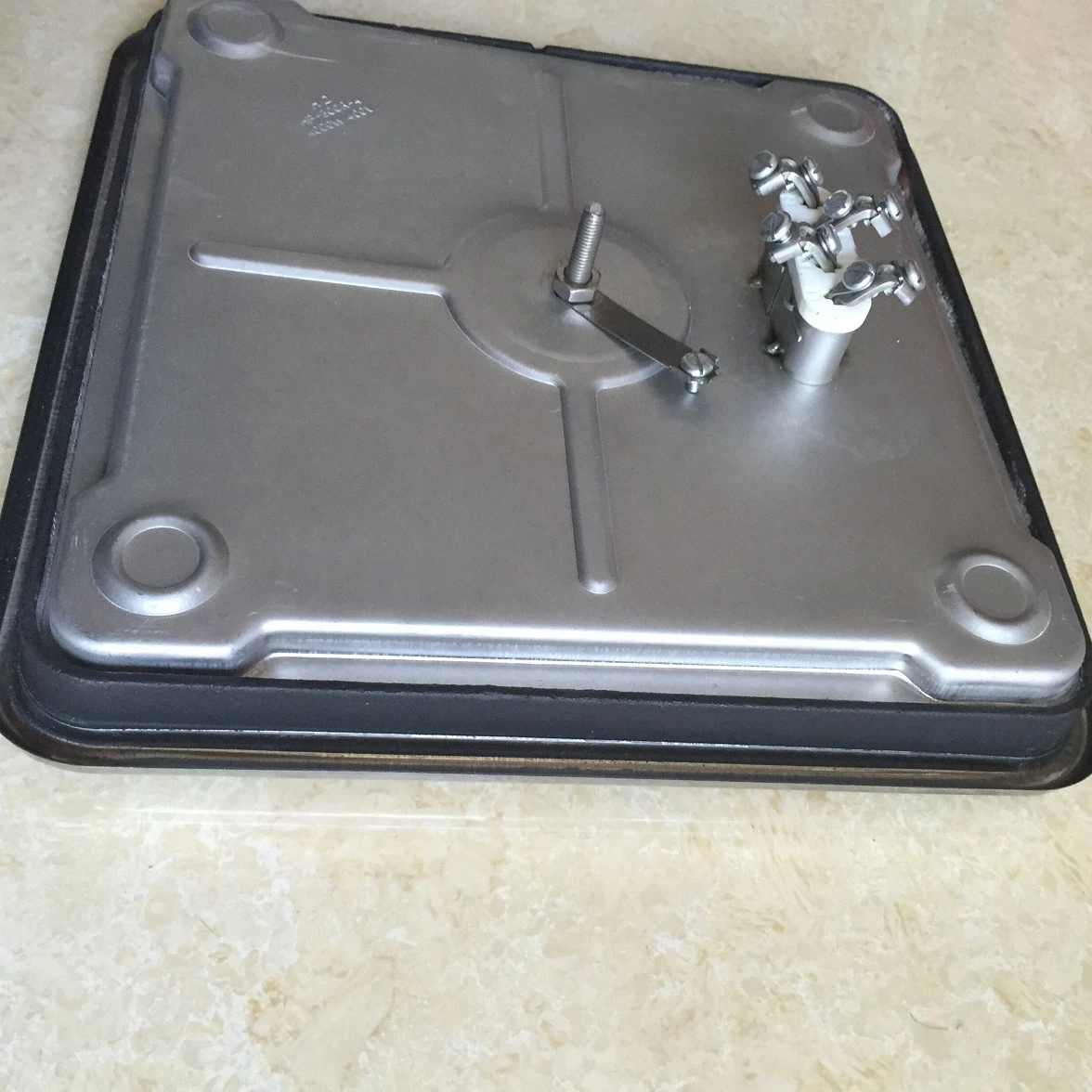
Critical for processes requiring consistent temperature to the very edges of your container. Square plates deliver direct, conductive heat right into the corners of your vessel. Circular plates inherently create weaker, less direct heat paths to these corners, potentially leading to uneven results in sensitive applications like chemical synthesis, sample preparation, or materials testing.
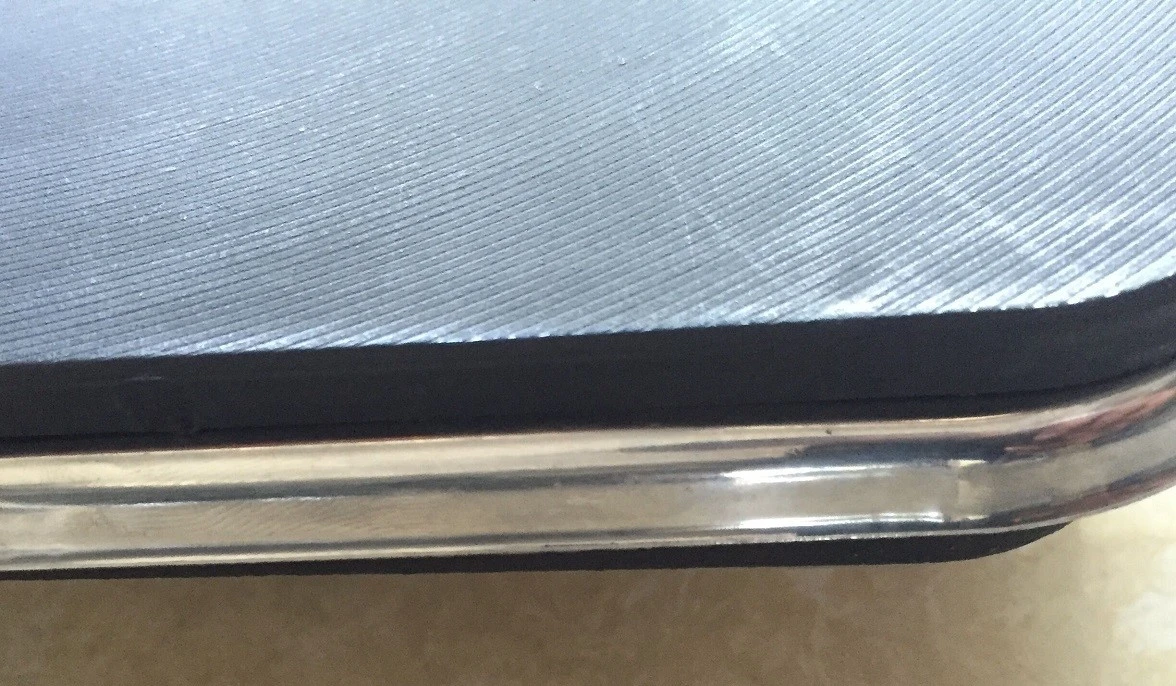
Integrating a square heater into your equipment is often simpler and more secure. They fit snugly into square cutouts or mounting frames, reducing movement and improving mechanical stability. This secure fit ensures consistent thermal contact and simplifies installation and maintenance for your engineering teams.

Modern lab equipment, industrial machinery, and medical devices increasingly feature rectangular design languages and internal layouts. Choosing a square heater seamlessly integrates with this form factor, offering a cleaner fit and more efficient use of internal space compared to forcing a circular component into a rectangular system.
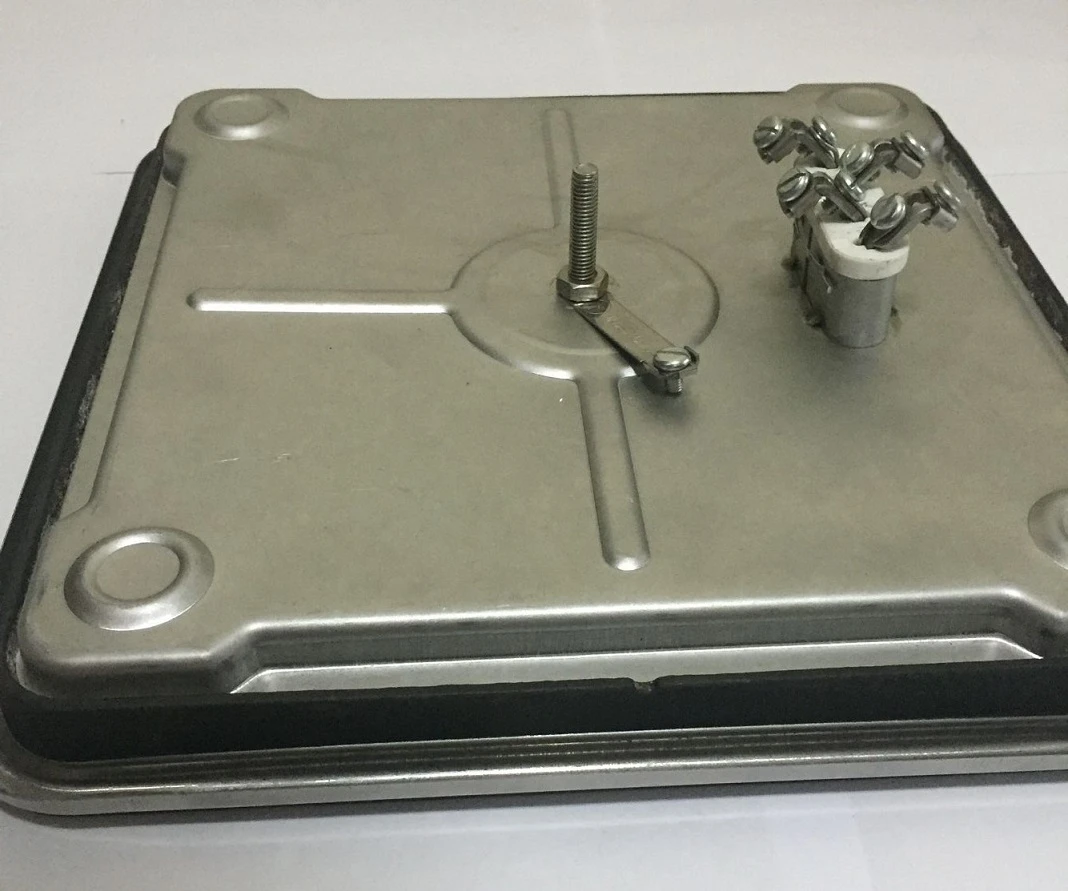
While both shapes aim for uniform heating, the geometry of a square plate minimizes the low-heat "dead zones" often found beyond the perimeter of a circular plate under a square vessel. This ensures every part of your vessel's base receives effective, direct heat, crucial for reproducibility in scientific or industrial processes.

In essence: When your priority is maximizing thermal transfer efficiency, ensuring edge-to-edge temperature uniformity, and optimizing space within rectangular systems, the square hot plate provides a fundamentally superior geometric solution. You gain tangible benefits in performance, energy savings, and integration ease that a circular plate simply cannot match for square-based applications.
Previous: How do PTC ceramic heaters compare to traditional resistive heaters in energy efficiency?
Next: How does a PTC ceramic heater automatically regulate temperature in egg incubators?