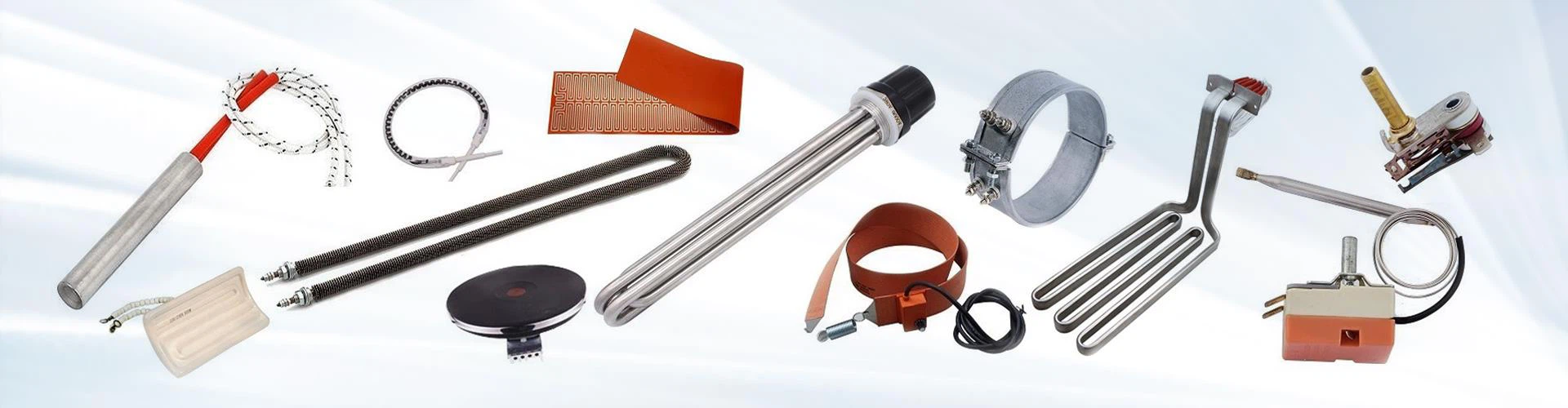
In laboratory equipment, cartridge heaters are used to provide precise and consistent heating for various applications. Here's how the process typically works:
- Installation: Cartridge heaters are inserted into drilled holes or cavities in laboratory equipment such as reactors, ovens, or sample holders. They are often placed where localized heating is needed.
- Heating: Once powered, the cartridge heaters generate heat through electrical resistance. The heat is conducted directly to the equipment or sample being heated.
- Temperature Control: The heaters are controlled by a temperature regulation system, which maintains the desired temperature with high accuracy. This is crucial for experiments and processes that require specific temperature conditions.
- Sample Heating: In applications like chemical reactions, sample analysis, or material testing, the cartridge heaters ensure that the samples or materials are heated uniformly and to the precise temperatures required.
- Energy Efficiency: The design of cartridge heaters allows for efficient heating, minimizing energy waste and ensuring that the equipment reaches and maintains the desired temperature quickly.
- Safety and Maintenance: Regular monitoring and maintenance of the cartridge heaters and temperature control systems are essential to ensure safety and consistent performance in laboratory settings.

Overall, cartridge heaters in laboratory equipment provide the precise and reliable heating necessary for accurate and reproducible results in scientific experiments and processes.
Contact now