Oct 21, 2026
Heating is an important part of many chemical and industrial manufacturing processes. It is used to maintain process temperatures, heat raw materials, support chemical reactions, and keep production equipment operating under the required conditions.
Different processes have different heating requirements. Selecting a suitable heating element requires careful consideration of the process temperature, chemical environment, required heating power, and equipment design.
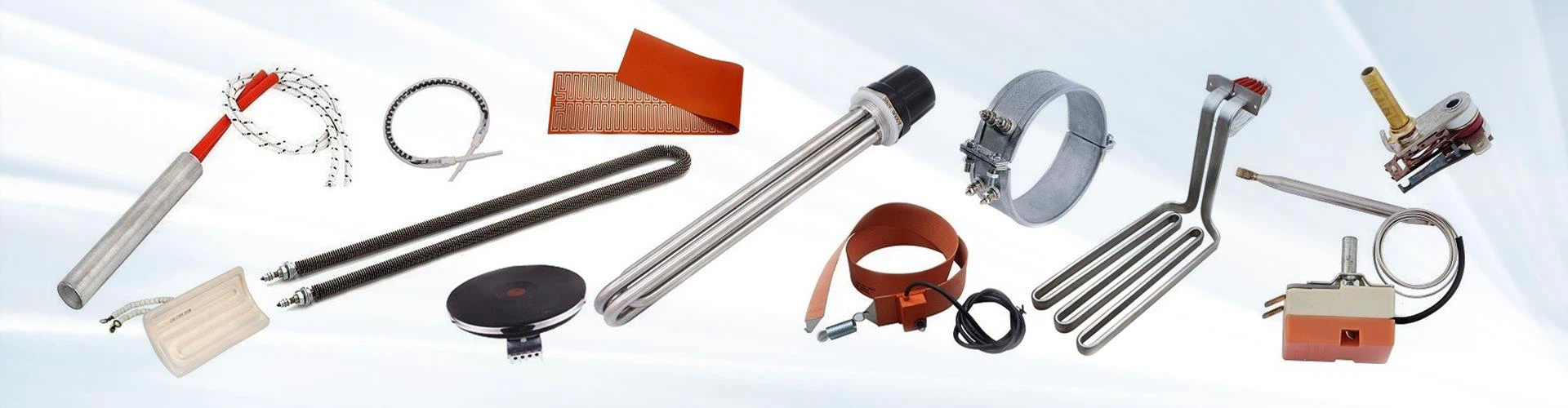
Tubular heating elements are widely used in industrial equipment because they can be manufactured in different lengths, diameters, and shapes. They are suitable for a range of heating applications, including process equipment, heating chambers, and specially designed industrial machinery.
Their design can be adjusted to fit the available installation space and required heating capacity. The sheath material should be selected according to the operating temperature and the surrounding environment.

Flange heating elements are commonly used in industrial vessels, tanks, and process equipment where the heater needs to be securely mounted.
The flange dimensions, heating tube arrangement, voltage, wattage, and material can be selected according to the equipment design and process requirements. For customized projects, the heater should be designed to fit the installation structure and intended operating conditions.

In chemical processing, the heating element may be exposed to various chemicals, solvents, or process media. The suitability of the sheath material depends on the chemical composition, concentration, operating temperature, and exposure conditions.
Stainless steel grades such as SS304 and SS316 are used in many industrial applications, but they are not suitable for every chemical environment. Other materials may be required depending on the specific process.
Before selecting a material, it is important to understand the actual medium and its operating conditions. Material compatibility should be verified for the intended application.
Many industrial processes require a stable and consistent temperature. Temperature fluctuations may affect product quality, process efficiency, or the performance of the equipment.
The heating element should provide sufficient heating capacity for the process while working within its appropriate temperature limits. A suitable temperature sensor, controller, and independent over-temperature protection can help maintain safe and reliable operation.
The required temperature range and control method should be confirmed during the design stage.
The required heating power depends on several factors, including the mass of the material being heated, its thermal properties, the target temperature, the required heating time, and heat loss to the surroundings.
Choosing an element with insufficient power may result in slow heating or difficulty maintaining the target temperature. Excessive power or an unsuitable heating surface design may create localized overheating.
Calculating the heating load and understanding the actual operating cycle help determine a suitable heater design.
Before selecting a heating element for chemical or industrial process equipment, consider the following factors:
Providing these details helps ensure that the heating element matches the actual process requirements.
JAYE HEATER manufactures heating elements according to customer specifications for a variety of industrial heating applications.
For chemical and industrial process heating equipment, we can customize dimensions, voltage, wattage, and sheath material based on the application and technical requirements. Heating element shapes, and other details can also be discussed according to the equipment structure.
Whether you are developing new equipment or replacing an existing heating element, we can review your drawings and specifications to help determine a suitable design.
To evaluate your project, please provide the process medium, operating temperature, required voltage and wattage, installation dimensions, and material requirements. Drawings, photos, or existing heater specifications are also helpful.
Previous: No Information
Next: Heating Elements for Water, Oil, and Industrial Liquid Heating