Oct 21, 2026
Water, oil, and other liquids are heated in many industrial applications, including storage tanks, industrial cleaning equipment, and process heating systems. Choosing the right heating element is important for efficient heat transfer, stable temperature control, and reliable operation.
Different liquids have different properties and heating requirements. The right heating element depends on the liquid type, operating temperature, required power, and installation conditions.
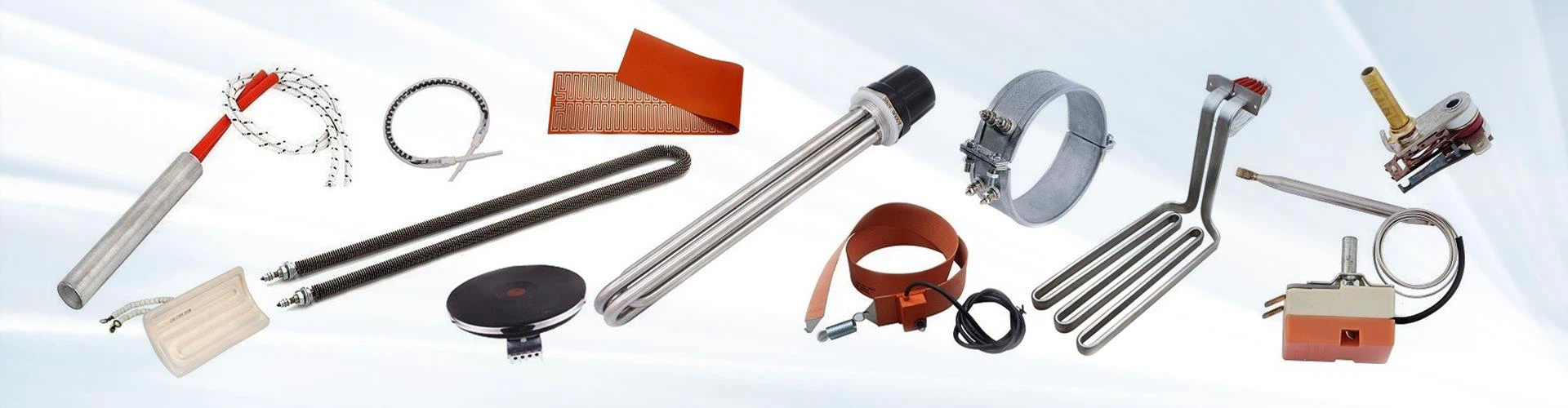
Immersion heating elements are designed to heat liquids directly. They are commonly used in water tanks, storage tanks, industrial cleaning equipment, and other liquid heating applications.
Tubular heating elements are often used in immersion heaters because they can be manufactured in different shapes and sizes to suit various equipment designs. Depending on the application, they can be supplied with threaded connections, flanges, or other mounting designs.
For water heating, the sheath material should be selected according to water quality, operating temperature, and the risk of corrosion or scale buildup.
Flange heating elements are widely used in industrial tanks and process heating equipment. They are suitable for applications involving water, oil, and other compatible liquids.
The flange size, tube arrangement, voltage, wattage, and sheath material can be customized according to the equipment structure and operating requirements.

Water heating is common in industrial tanks, washing equipment, and hot water systems.
Stainless steel heating elements are frequently used, but the appropriate material depends on water chemistry, chloride content, temperature, and operating conditions. In some applications, mineral deposits can accumulate on the heating surface, reducing heat transfer and affecting service life.
Choosing a suitable sheath material, watt density, and temperature control method helps improve heating performance and reliability.

Oil has different heat transfer properties from water. Some oils have relatively high viscosity and lower thermal conductivity, which can affect heating efficiency and design requirements.
Heating elements for oil applications should be selected according to the oil type, operating temperature, and installation conditions. Excessive surface temperatures may cause oil degradation or carbon deposits.
A suitable heating element design helps provide the required heating capacity while reducing the risk of localized overheating.
Industrial processes may require heating cleaning solutions, process liquids, and certain chemical liquids. Since these liquids vary in composition and properties, the heating element must be selected according to the specific application.
Material compatibility is particularly important. The sheath material should be suitable for the liquid being heated and the required operating temperature.
For corrosive or specialized liquids, material selection should be confirmed based on the actual chemical composition and working environment.
Before choosing a heating element, several important parameters should be considered:
Providing accurate application details helps ensure that the heating element is designed for the actual working conditions.
At JAYE HEATER, we manufacture heating elements according to customer specifications and application requirements.
For water heating, oil heating, and other industrial liquid heating applications, we can customize dimensions, voltage, wattage, and sheath material to meet different requirements. Custom shapes, other details can also be discussed based on the equipment structure and technical specifications.
Whether you need a replacement heating element or a custom solution for new equipment, we can work with your drawings and technical parameters to produce.
To help us evaluate your requirements, please provide the liquid type, operating temperature, required voltage and wattage, installation dimensions, and preferred material. Drawings or photos of the existing heater are also helpful.
Previous: Heating Elements for Chemical and Industrial Process Heating
Next: Improving Temperature Control in Industrial Heating Applications