Sep 16, 2026
Industrial control cabinets are often installed in factories, warehouses, outdoor equipment, and other environments where temperature and humidity can change significantly. When the temperature inside a cabinet falls below the dew point, condensation may form.
Over time, moisture can cause corrosion, terminal oxidation, and electrical problems, affecting PLCs, relays, sensors, and other electronic components.
For this reason, small heating elements are commonly used in cold or humid environments. The goal is not to heat the cabinet to a high temperature, but to keep the internal temperature slightly above the dew point and reduce condensation.
A cabinet heater is normally installed inside the electrical enclosure and may work together with a thermostat or humidity controller. When the internal temperature becomes too low or humidity reaches a preset level, the heater operates to raise the temperature inside the cabinet.
When selecting a heater, factors such as cabinet size, available installation space, ambient conditions, required temperature, voltage, and power should be considered. For compact control cabinets, thin heaters that can be mounted directly onto a surface are often a practical choice.

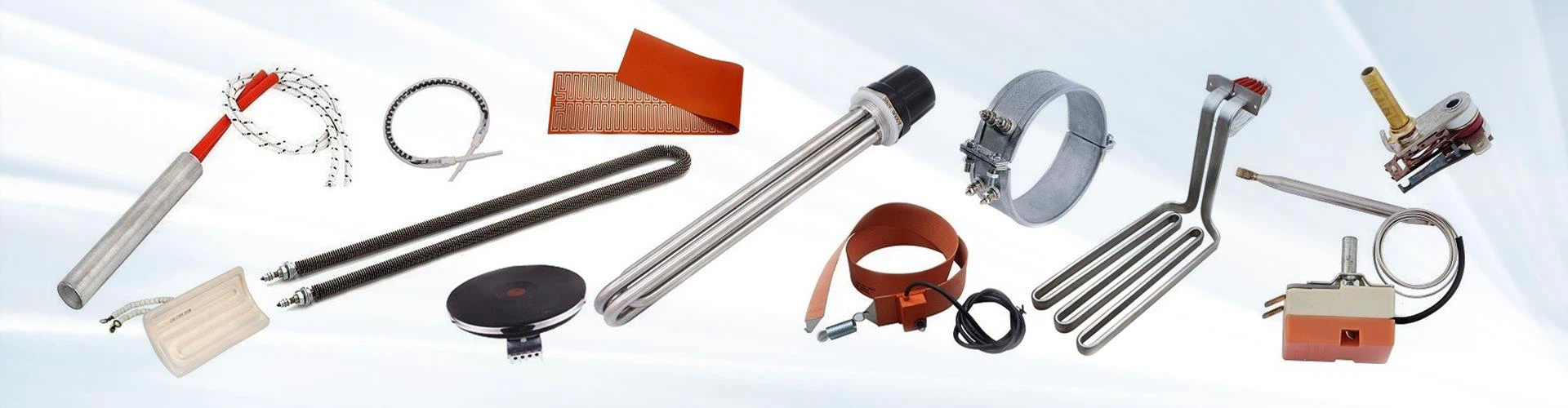
We provides customized Silicone Rubber Heaters and Aluminum Foil Heaters for industrial control cabinets and other anti-condensation applications.
Depending on the equipment requirements, we can customize:

Silicone rubber heaters are flexible and thin, making them suitable for compact cabinets or applications where the heater needs to follow a specific surface. Aluminum foil heaters have a thin construction and a large heating area, making them suitable for applications requiring gentle and relatively uniform heating.
For OEM equipment manufacturers, a suitable heater needs to match not only the required heat output, but also the cabinet size, mounting method, and control system. We can customize heaters based on customer specifications, drawings, or application requirements.