Oct 27, 2026
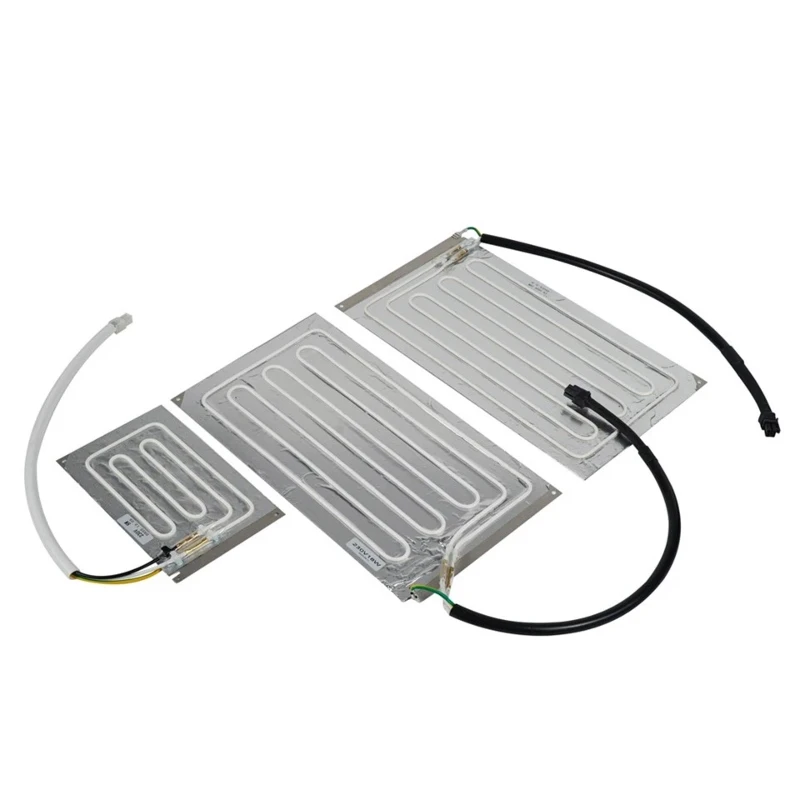
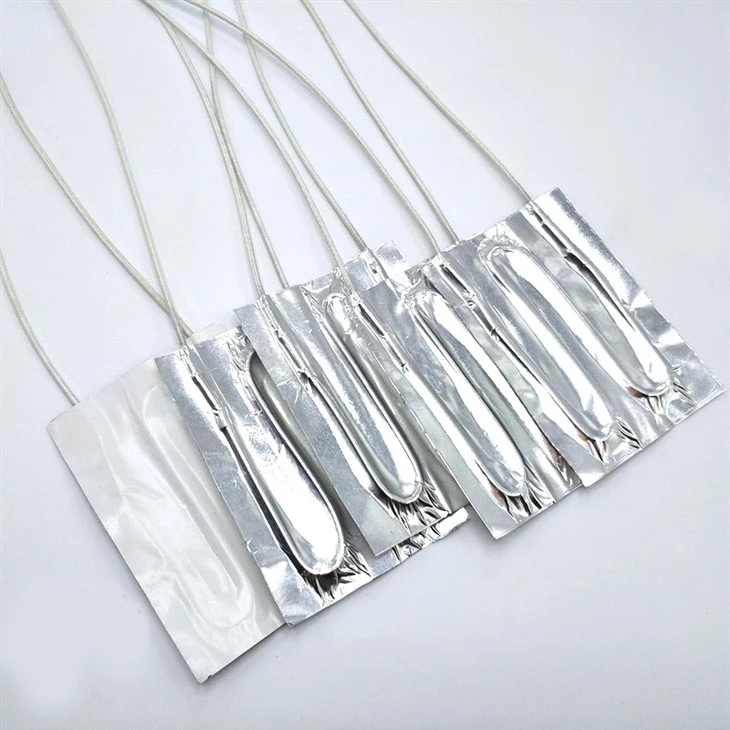
Aluminum foil heaters are thin, lightweight electric heating elements designed to provide uniform heat distribution in compact heating systems. In Far Infrared (FIR) heaters, aluminum foil heaters can serve as auxiliary heating elements or heat-spreading components, depending on the equipment design.
By converting electrical energy into heat and transferring it through conduction, convection, or radiation, aluminum foil heaters help FIR heating systems achieve stable temperatures and improve overall heating efficiency. Their flexible structure and customizable shapes make them suitable for various industrial and commercial heating applications.

An aluminum foil heater typically consists of a resistive heating wire or etched heating element, aluminum foil, and electrical insulation materials. The heating element generates heat when an electric current passes through it, while the aluminum foil helps distribute the heat across the desired surface.
In FIR heating equipment, aluminum foil heaters can be integrated into specific structural areas to support heat distribution or provide additional heating.
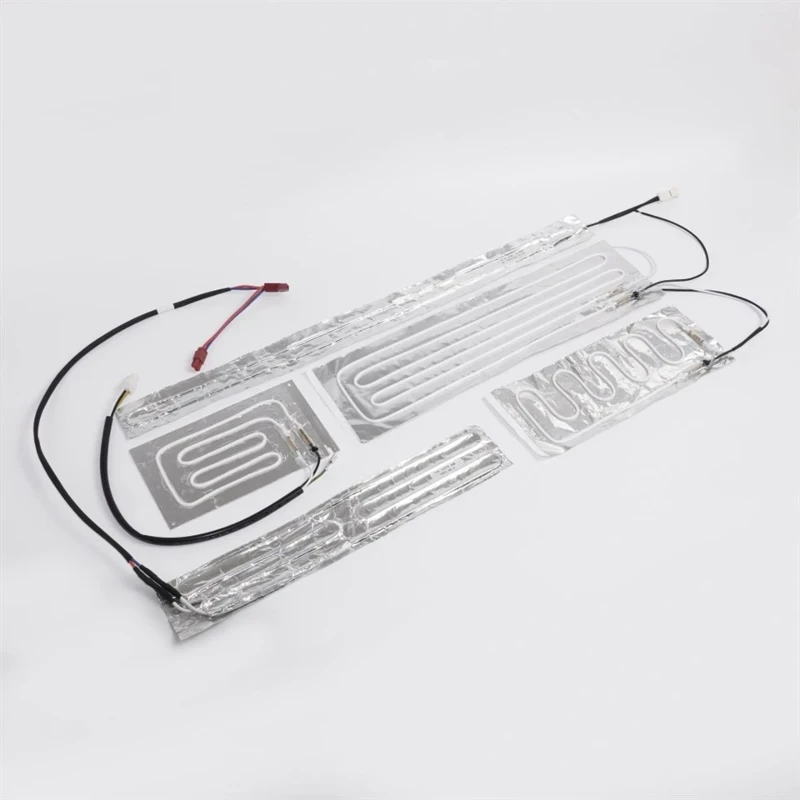
Key features include:
Aluminum foil heaters operate through electrical resistance heating. When integrated into a far-infrared heating system, their working process generally involves the following steps.
Step 1: Electrical Energy Input
When the power supply is switched on, electric current passes through the resistive heating element inside the aluminum foil heater. Electrical energy is converted into thermal energy.
Step 2: Heat Generation and Distribution
The heating element generates heat, which is transferred to the surrounding aluminum foil. The foil helps distribute the heat over a wider area and reduces localized temperature differences when properly designed.
Step 3: Heat Transfer Within the FIR System
The heat can be transferred to an adjacent heating plate, reflector, or other component. If the heater is designed to radiate heat directly, its surface also emits thermal radiation. The actual infrared output depends on its surface properties and operating temperature.
Step 4: Temperature Regulation
A thermostat, temperature sensor, or external controller can regulate the heater's operation. This helps maintain the required temperature and reduce the risk of overheating.
Important: Aluminum foil heaters do not automatically generate far-infrared radiation simply because they contain aluminum foil. Their role in an FIR heater depends on the complete heating assembly. In some designs, they provide auxiliary heating; in others, they heat a separate surface that produces the desired infrared radiation.
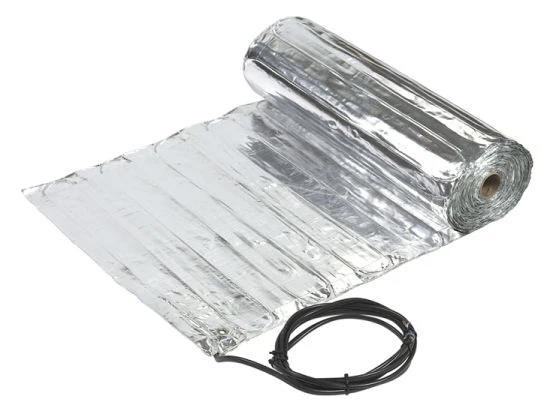
Aluminum foil heaters can be used in various heating systems where thin construction and distributed heating are beneficial.
|
Application |
Function of the Aluminum Foil Heater |
|---|---|
|
FIR heating panels |
Provides auxiliary heating or heats an integrated surface |
|
Infrared therapy equipment |
Supports temperature control in compatible heating assemblies |
|
Industrial heating equipment |
Maintains the temperature of selected components |
|
Heating and insulation systems |
Helps prevent unwanted cooling in designated areas |
|
Compact electric heating devices |
Provides a thin heating solution where installation space is limited |
The suitability of an aluminum foil heater depends on the operating temperature, insulation requirements, installation method, and intended heat-transfer mechanism.
To select a suitable aluminum foil heater for FIR equipment, engineers should consider the following factors.
|
Selection Factor |
What to Consider |
|---|---|
|
Operating voltage |
Match the heater to the equipment's power supply |
|
Rated power |
Calculate the required heating capacity based on the application |
|
Operating temperature |
Confirm the temperature limits of the heating element, insulation, adhesive, and surrounding materials |
|
Dimensions and shape |
Ensure the heater fits the available installation area |
|
Insulation material |
Select insulation with suitable electrical and thermal properties |
|
Temperature control |
Consider a thermostat, sensor, controller, or independent over-temperature protection |
|
Mounting method |
Ensure good thermal contact without damaging the heater |
|
FIR system compatibility |
Verify whether the heater provides auxiliary heat or directly contributes to infrared radiation |
For high-temperature FIR applications, the temperature resistance of the complete heater assembly is especially important. Aluminum foil, adhesives, insulation, and lead wires may have different temperature limits.
|
Feature |
Aluminum Foil Heater |
Ceramic or Quartz FIR Element |
|---|---|---|
|
Main heating structure |
Thin resistive element with foil-based construction |
Ceramic body or quartz tube with a heating element |
|
Construction |
Thin and lightweight |
Generally more rigid or tubular |
|
Heat distribution |
Foil helps spread heat across a surface |
Depends on the element geometry and radiation pattern |
|
Typical role |
Auxiliary heating or surface heating |
Direct infrared heating in suitable designs |
|
Customization |
Flexible dimensions and shapes |
Available in various sizes and power ratings |
|
Best suited for |
Compact installations and surface heating |
Applications requiring a dedicated infrared heating element |
1. Can aluminum foil heaters be used in FIR heaters?
Yes. They can be used as auxiliary heating elements or to heat specific surfaces in compatible FIR systems. Their suitability depends on the system design and required operating temperature.
2. Do aluminum foil heaters produce far-infrared radiation?
All warm surfaces emit thermal radiation, but the amount and spectral distribution depend on surface temperature and material properties. Aluminum foil heaters are not necessarily dedicated FIR emitters; some designs heat a separate infrared-radiating surface.
3. Can aluminum foil heaters be customized for FIR equipment?
Yes. Depending on the manufacturer's capabilities, voltage, wattage, dimensions, shape, lead wires, insulation, and mounting arrangement can be customized to meet the equipment's requirements.
Previous: No Information
Next: Watlow FIREBAR Alternatives: What OEM Engineers Should Know