Aug 26, 2026
Heating elements are an essential part of many appliances and devices used in everyday life. From boiling water and cooking food to drying clothes and maintaining comfortable indoor temperatures, heating elements convert electrical energy into heat to provide controlled and efficient heating.
Different applications require different heater designs, materials, temperatures, and power ratings. Understanding where heating elements are used can help manufacturers select the right heating solution for each appliance.
A heating element is an electrical component that converts electrical energy into thermal energy. When electric current passes through a material with electrical resistance, heat is generated.
A simple heating process can be described as:
Electrical energy → Electrical resistance → Heat generation → Heat transfer
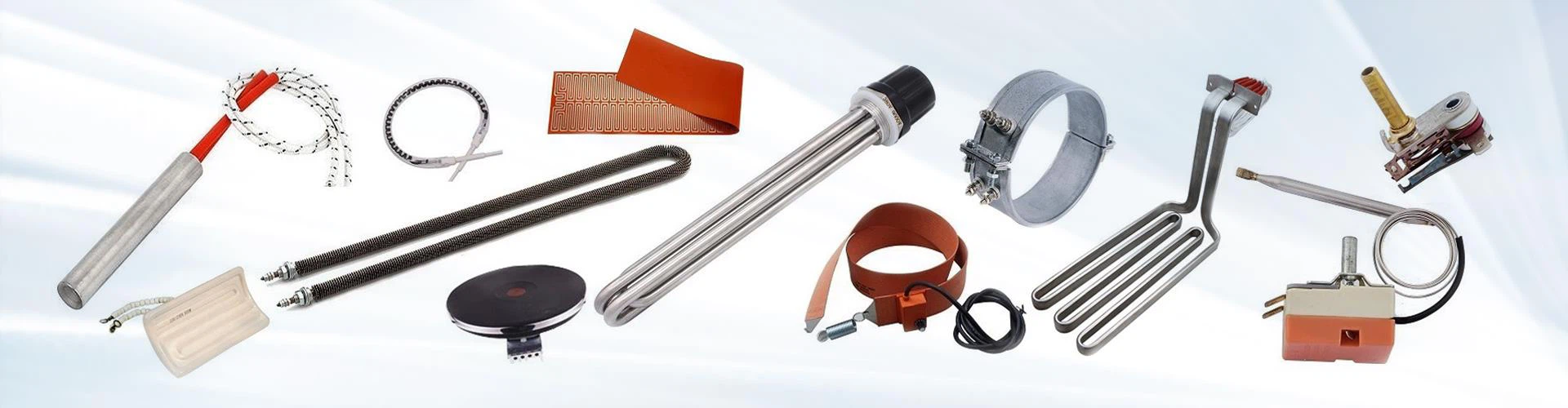
Depending on the application, heating elements can be manufactured in various forms, including:
Each type has different characteristics and is suitable for specific operating conditions
Electric ovens are one of the most common applications of heating elements.
Oven heating elements generate heat to cook or bake food. Depending on the oven design, heating elements may be installed at the top, bottom, or around the air circulation system.
They can be used for:
Baking
Roasting
Grilling
Heating food
Tubular heating elements are widely used because they can withstand high temperatures and provide reliable long-term heating.

Electric kettles and coffee makers require rapid heating to bring water to the desired temperature.
Compact heating elements provide direct or indirect heat transfer to the water.
Important requirements include:
Fast heating
Good electrical insulation
Corrosion resistance
Reliable temperature control
Long service life
Thermostats are often used together with the heating element to prevent excessive heating.

Electric water heaters use heating elements to heat and maintain water at a predetermined temperature.
Depending on the design, the heating element may be immersed directly in the water or installed through a heating tube.
Temperature sensors and thermostats can control the heating process:
Water temperature drops → Heater turns ON
Target temperature reached → Heater turns OFF
This allows the water heater to maintain a relatively stable temperature while reducing unnecessary energy consumption.

Heating elements are also used in washing machines to heat water during washing cycles.
Hot water can improve cleaning performance by helping remove certain stains and oils.
Washing machine heaters need to operate reliably in a wet environment, so electrical insulation, corrosion resistance, and safe temperature control are important considerations.

Clothes dryers use heating elements to generate warm air that removes moisture from clothing.
The heating element works together with a fan:
Heating element generates heat → Fan circulates warm air → Moisture evaporates → Clothes dry
Depending on the dryer design, tubular heaters, coil heaters, or other specialized heating elements may be used.

Many dishwashers use heating elements during washing and drying cycles.
The heater may be used to:
Heat washing water
Improve cleaning performance
Generate hot air for drying
Reduce moisture inside the dishwasher
The heating system usually works together with temperature sensors and control electronics to maintain the required temperature.

Small household appliances often require compact, fast-response heating solutions.
Examples include:
Hair dryers
Electric heaters
Hot-air brushes
Heat guns
Hand dryers
For these applications, coil heating elements or PTC heaters can provide rapid heating in a compact space.

Heating elements are also used to provide comfortable indoor temperatures.
Common examples include:
Portable electric heaters
Fan heaters
Air curtain machines
Electric radiators
Floor heating systems
PTC heaters are particularly useful in some air-heating applications because their electrical and thermal characteristics can provide convenient temperature management.

With the development of smart home appliances, heating elements are increasingly integrated with sensors and electronic control systems.
For example, smart appliances may monitor:
Temperature
Heating time
Power consumption
Operating status
A heating element can then be controlled automatically according to the appliance's operating program.
This combination of heating elements + temperature sensors + intelligent controls helps improve heating accuracy and energy efficiency.
The appropriate heating element depends on the appliance and its operating conditions.
| Factor | Why It Matters |
|---|---|
| Voltage | Determines electrical compatibility |
| Power | Determines heating capacity |
| Operating Temperature | Determines suitable heater construction |
| Size | Must fit the available installation space |
| Heating Medium | Air, water, oil, metal, etc. |
| Material | Affects corrosion resistance and service life |
| Heat Transfer | Affects overall heating efficiency |
| Temperature Control | Determines how heating is regulated |
For customized heating elements, manufacturers should provide the required voltage, wattage, dimensions, operating temperature, installation method, and heating medium.
Heating elements are widely used in everyday appliances, from ovens and kettles to washing machines, dryers, water heaters, and home heating equipment. Although their applications are different, their basic function remains the same: converting electrical energy into controlled heat.
The right heating element depends on the application's power, temperature, size, heating medium, material, and installation requirements. By selecting the appropriate heater design, manufacturers can achieve reliable heating performance, better temperature control, and longer equipment service life.

Upgrade your heating systems with Jaye Heater's premium components. For reliable heating elements and precise thermal controllers that ensure performance and safety, contact our experts today for a quote and technical support. Let's find your perfect heating solution.
Previous: Heating Element Applications in New Energy Vehicles: Supporting Smart Thermal Management
Next: How Ceramic Band Heaters Work for Injection Molding Machine Screw Barrels?