Nov 17, 2026
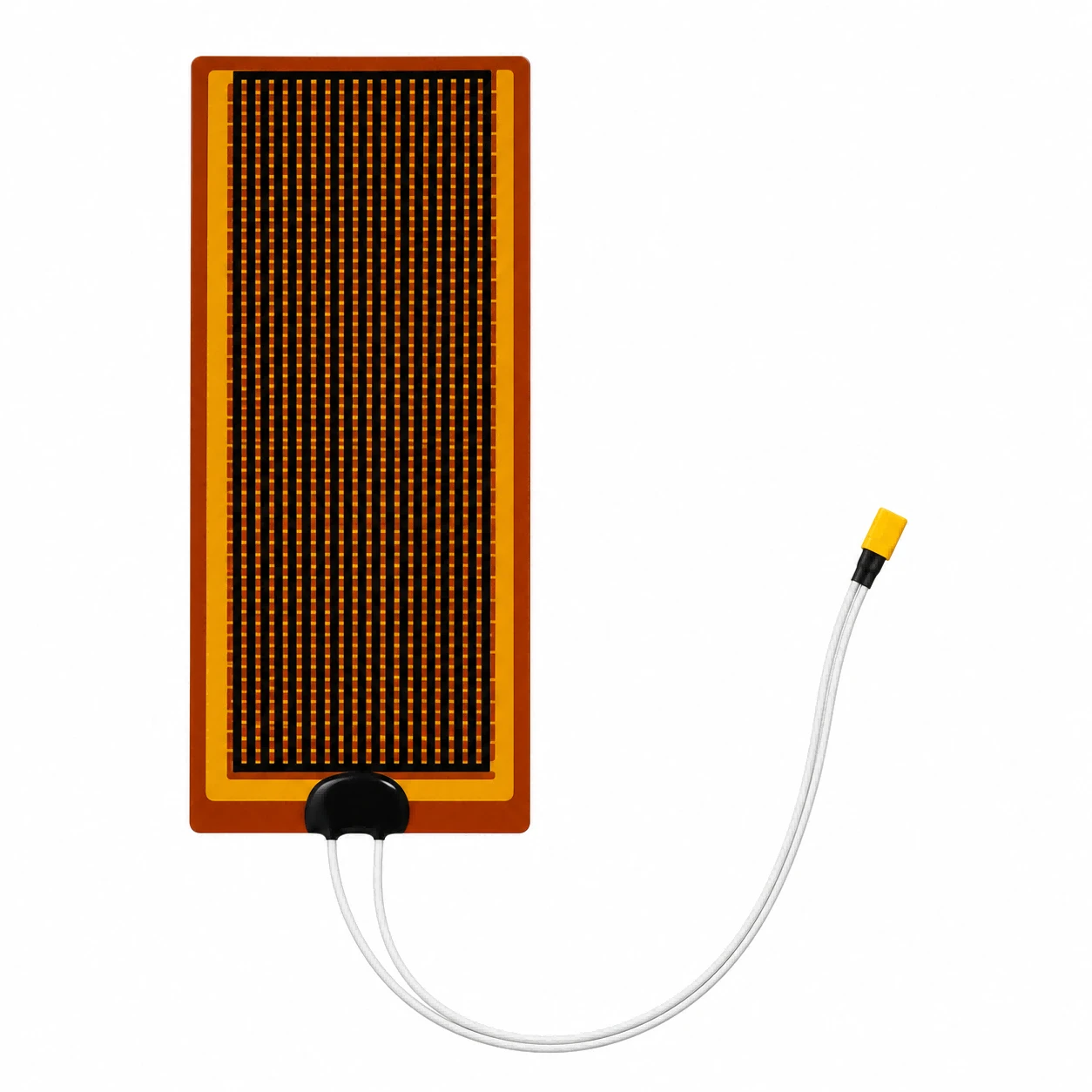
PTC Heating Film is a flexible heating element that uses materials with a Positive Temperature Coefficient (PTC) characteristic. This means its electrical resistance increases as its temperature rises.
Unlike conventional resistive heating elements, PTC heating film can automatically adjust its heating output in response to temperature changes.
When power is first applied, the PTC material generates heat. As the temperature increases, its electrical resistance rises, reducing the current and heating power. This self-regulating characteristic helps maintain a more stable thermal condition and reduces the risk of overheating under properly designed operating conditions.
PTC heating film is commonly used in applications requiring flexible heating, temperature maintenance, anti-fogging, and low-temperature protection.
Provides consistent surface heating for different applications.
Helps reduce condensation and frost formation.
Supports temperature maintenance in low-temperature environments.
Offers self-regulating heating characteristics.
Reduces the need for complex external temperature control in certain applications.
Provides a lightweight and flexible heating solution for compact equipment.
PTC heating film is suitable for various industries because of its flexible structure, self-regulating characteristics, and adaptability to different heating requirements.
PTC heating film can be used in automotive components that require localized heating, particularly in cold and humid environments.
Typical applications include:
Automotive rearview mirror defrosting.
Camera lens anti-fogging.
Automotive sensor heating.
Electric vehicle battery preheating.
Auxiliary heating for automotive components.
Main Benefits:
PTC heating film helps prevent fogging and frost accumulation on sensitive automotive components. It also provides auxiliary heating for selected battery and electronic applications in cold environments.
Electronic equipment used outdoors or in low-temperature environments may experience condensation due to temperature differences.
Typical applications include:
Camera and optical lens anti-fog heaters.
LCD display auxiliary heating.
Electronic control cabinet heating.
Sensor and instrument heating.
Outdoor communication equipment.
Main Benefits:
PTC heating film provides localized heat to help reduce moisture condensation and maintain suitable operating conditions for sensitive electronic components.
PTC heating film can be integrated into selected medical and laboratory devices that require auxiliary heating.
Typical applications include:
Medical warming equipment.
Fluid warming devices.
Laboratory sample heating equipment.
Temperature maintenance for medical instruments.
Main Benefits:
Its flexible structure allows integration into compact equipment, providing auxiliary heating where space and weight are important considerations.
Medical applications require appropriate temperature monitoring, electrical insulation, and independent safety protection.
PTC heating film can be used in household products requiring compact and flexible heating solutions.
Typical applications include:
Electric warming cushions.
Bathroom mirror defogging systems.
Small household heating devices.
Dehumidifier auxiliary heating.
Household temperature maintenance equipment.
Main Benefits:
Its lightweight design and self-regulating characteristics make it suitable for selected household appliances where space-saving and heating safety are important.
In industrial environments, temperature differences and moisture condensation can affect the performance of electrical and electronic equipment.
Typical applications include:
Electrical control cabinet anti-condensation heating.
Industrial sensor heating.
Instrument and meter heating.
Outdoor monitoring equipment.
Industrial equipment freeze protection.
Main Benefits:
PTC heating film provides localized heating to help reduce condensation and protect selected equipment from low-temperature conditions.
Battery performance can be affected by low ambient temperatures. Auxiliary heating is therefore important in certain battery thermal management systems.
Typical applications include:
Electric vehicle battery preheating.
Energy storage battery heating.
Battery module temperature maintenance.
Low-temperature battery equipment protection.
Main Benefits:
PTC heating film can provide auxiliary heating to help batteries reach suitable operating temperatures in cold environments. The heating design must consider battery safety, temperature uniformity, and the specific requirements of the battery management system.
PTC heating film and conventional PI heating film are both used in flexible heating applications. However, they differ in their heating materials, electrical characteristics, and temperature control methods.
PI stands for Polyimide, a high-performance insulating film material. Conventional PI heaters typically use etched metal foil circuits laminated between polyimide film layers.
PTC, on the other hand, refers to a positive temperature coefficient characteristic, in which electrical resistance increases with temperature.
| Comparison | PTC Heating Film | Conventional PI Heating Film |
|---|---|---|
| Heating principle | PTC material generates heat with increasing resistance as temperature rises | Electrical resistance circuits generate heat |
| Resistance behavior | Resistance increases significantly within the PTC transition range | Resistance generally changes relatively little during normal operation |
| Temperature regulation | Has self-regulating characteristics | Usually requires external temperature control |
| Heating output | Automatically decreases as resistance increases | Mainly determined by circuit resistance and supply voltage |
| Overheating protection | Helps reduce overheating risk | Requires suitable temperature control and protection |
| Heating response | Depends on PTC material and construction | Generally offers fast thermal response |
| Flexibility | Flexible, depending on material and structure | Thin, lightweight, and flexible |
| Typical applications | Anti-fogging, insulation, battery preheating, and condensation prevention | Electronics, medical equipment, precision instruments, and surface heating |
Choose PTC Heating Film when:
Self-regulating heating is an important requirement.
The application requires reduced heating output as temperature increases.
Localized heating is needed for anti-fogging or anti-condensation.
The equipment operates in changing ambient temperatures.
A simpler temperature control arrangement is preferred.
Choose PI Heating Film when:
A very thin and lightweight heating element is required.
Specific power and resistance values need to be designed.
Fast heating response is important.
Customized heating shapes and circuit layouts are required.
Precise temperature control through an external controller is preferred.
The best choice depends on the required heating temperature, power density, installation space, operating environment, and temperature control requirements.
PTC materials increase their electrical resistance as temperature rises, reducing heating output. This characteristic helps minimize overheating risks in properly designed applications.
PTC heating film can be designed for different shapes and installation spaces, making it suitable for compact electronic devices, automotive components, and household appliances.
Its self-regulating characteristics can reduce dependence on external temperature control in certain applications. However, independent over-temperature protection may still be necessary.
From automotive anti-fogging systems to industrial equipment and battery heating, PTC heating film offers a flexible solution for various low-temperature and localized heating requirements.
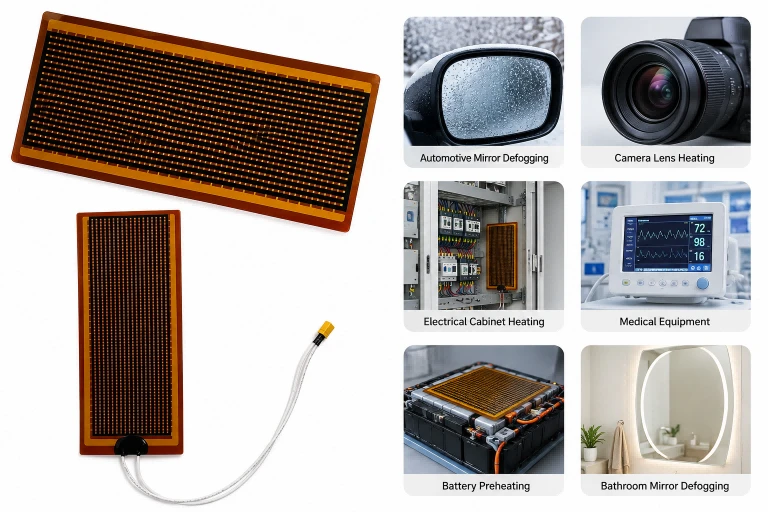
Different applications require different heating specifications. Voltage, power, dimensions, heating temperature, and installation conditions all influence the final product design.
JAYE HEATER provides customized heating element solutions according to customer requirements and application conditions.
If you are looking for a flexible heating solution for automotive components, electronic equipment, household appliances, or industrial applications, our team can help evaluate your requirements.
Contact JAYE HEATER to customize a heating element suitable for your application.

Upgrade your heating systems with Jaye Heater's premium components. For reliable heating elements and precise thermal controllers that ensure performance and safety, contact our experts today for a quote and technical support. Let's find your perfect heating solution.
Previous: No Information
Next: Watlow Heating Element Substitute: What to Match for a Drop-In Replacement