Nov 17, 2026
When an industrial heating system uses Watlow heating elements, replacing an existing heater is not simply a matter of finding another product with the same wattage and voltage. A successful replacement must match the critical electrical, mechanical, thermal, and installation requirements of the original heater.
For manufacturers, equipment maintenance teams, and industrial buyers looking for a Watlow heating element substitute, the goal is to find a compatible alternative that maintains heating performance, fits the existing equipment, and offers a reasonable operating cost.
JAYE HEATER provides a range of industrial heating elements that can serve as alternatives to selected Watlow heater models. With customized dimensions, electrical specifications, materials, and connection designs, JAYE helps customers evaluate replacement solutions for different industrial heating applications.
This guide explains what to check before choosing a drop-in replacement for a Watlow heating element.
The first step is to identify the exact type of heating element currently installed.
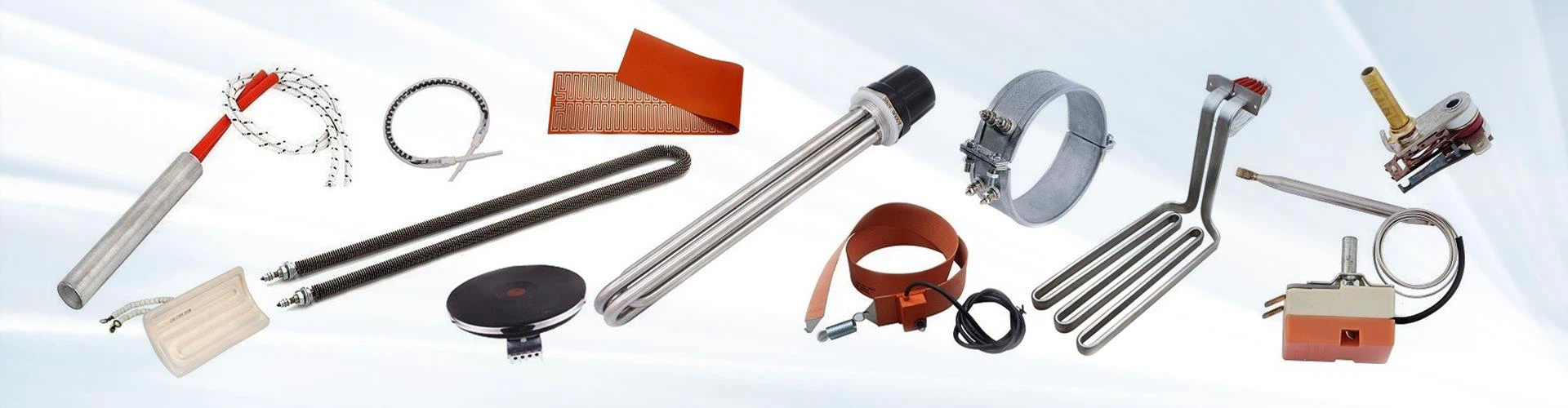
Watlow offers various industrial heating technologies for different applications. Depending on the equipment, the required substitute may include:
| Original Heater Type | Typical Application | Potential JAYE Alternative |
|---|---|---|
| Cartridge Heater | Molds, dies, and metal heating blocks | Cartridge Heater |
| Band Heater | Plastic extrusion and injection molding | Mica/Ceramic/Nozzle Band Heater |
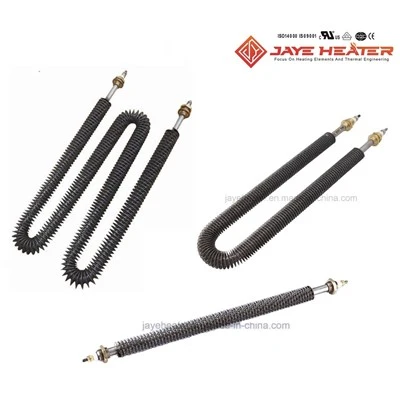
| Tubular Heater | Ovens, tanks, and air heating | Tubular Heating Element |
| Strip Heater | Flat surfaces and industrial equipment | Mica/Ceramic Strip Heater |
| Silicone Rubber Heater | Tanks, pipes, and surface heating | Silicone Rubber Heater |
| Ceramic Heater | High-temperature industrial heating | Ceramic Heating Element |
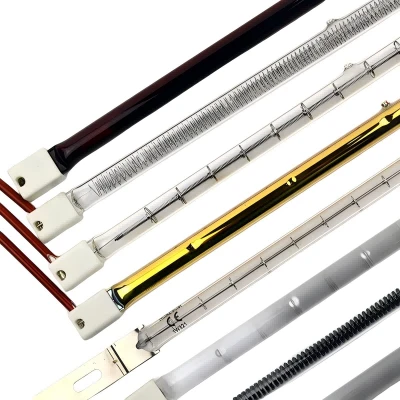
| Infrared Heater | Surface heating and drying | Ceramic Infrared Heater / Quartz Infrared Heater |
Important: The replacement should be selected according to the actual heater construction and application, not just the product name.
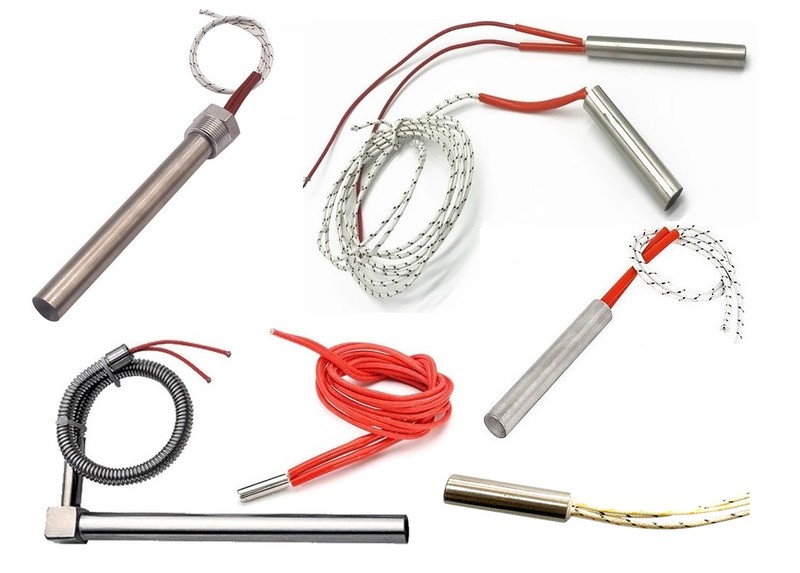
Electrical compatibility is essential for a safe and reliable replacement.
A heater with the correct physical dimensions but incorrect electrical specifications may cause insufficient heating, overheating, or electrical system problems.

For a true drop-in replacement, mechanical compatibility is just as important as electrical compatibility.
The following dimensions should be checked carefully:
| Parameter | What to Verify |
|---|---|
| Overall Length | Total heater length |
| Outside Diameter | External diameter of the heating element |
| Inside Diameter | Required for band or ring heaters |
| Width and Thickness | Important for strip and flat heaters |
| Mounting Structure | Holes, brackets, flanges, and fixing methods |
| Terminal Position | Location and orientation of electrical connections |
| Lead Wire Length | Cable length and exit direction |
| Clearance | Available installation space |
A replacement heater must deliver suitable thermal performance under actual operating conditions.
Important factors include:
The replacement does not necessarily need identical internal construction, but it must provide suitable thermal performance for the equipment.

Material selection directly affects heater durability, heat transfer, and operating temperature capability.
Depending on the heater type, check:
For example, a tubular heater used in a corrosive environment may require a different sheath material from one used in a standard air-heating application.
The material selection should always be based on the actual working environment and temperature requirements.

A replacement heater should integrate smoothly into the existing equipment.
Terminal type: Screw terminals, lead wires, plugs, or customized connectors.
Connection direction: Straight, right-angle, or other configurations.
Mounting method: Clamping, bolting, insertion, or surface attachment.
Grounding: Confirm the required grounding arrangement.
Installation clearance: Ensure sufficient space for electrical connections and thermal expansion.
For critical industrial equipment, it is advisable to verify the replacement drawing before production.
Watlow is an established manufacturer of industrial heating solutions, while JAYE HEATER provides customized heating elements for a wide range of industrial applications.
For customers evaluating alternatives to selected Watlow heating elements, JAYE offers several advantages:
| Evaluation Factor | JAYE HEATER Solution |
|---|---|
| Product Range | Cartridge, band, tubular, strip, silicone rubber, ceramic, and infrared heaters |
| Customization | Customized dimensions, voltage, wattage, materials, and connections |
| Replacement Support | Technical evaluation based on drawings, specifications, or physical samples |
| Manufacturing | Custom production according to confirmed requirements |
| Cost Performance | Competitive pricing for suitable replacement solutions |
| Application Support | Assistance with heater selection and specification matching |
JAYE focuses on providing practical replacement solutions that balance heating performance, product quality, customization, and purchasing costs.
Although the internal construction may differ between manufacturers, a properly engineered JAYE replacement can be designed to meet the critical requirements of a selected Watlow heater application.
Actual compatibility should be confirmed through technical evaluation and, where necessary, sample testing.
Q1: Can JAYE HEATER replace Watlow heating elements directly?
JAYE can evaluate and manufacture alternatives to selected Watlow heating elements. Direct replacement depends on matching the critical electrical, mechanical, thermal, and installation specifications. Drawings, model numbers, or physical samples help determine compatibility.
Q2: Does a drop-in replacement need to have exactly the same internal construction?
Not necessarily. Different manufacturers may use different internal structures and manufacturing processes. The key is to achieve the required electrical safety, dimensions, heating performance, and operating reliability. Any design differences should be technically evaluated before installation.
Q3: Can JAYE customize heating elements according to an existing Watlow sample?
Yes. JAYE can evaluate customized heating elements based on customer drawings, specifications, or physical samples. Dimensions, voltage, wattage, materials, terminal positions, and connection details can be considered during the design process.
Previous: How Does PTC Heating Film Work and Where Is It Used?
Next: Injection Molding Band Heater Guide: TriVolt, Durex, Tempco & JAYE