Oct 20, 2025
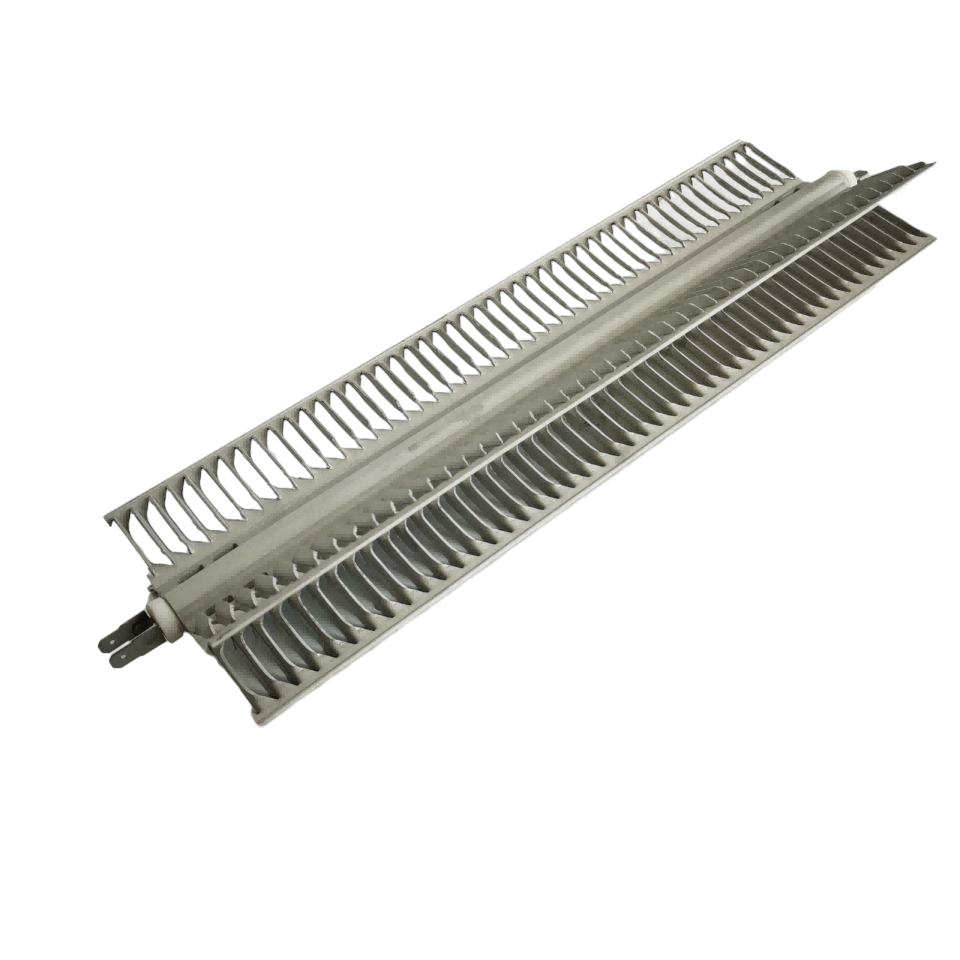
An X-Shape Finned Tube is a type of heat exchanger element, typically made of aluminum, where the fins are mechanically or hydraulically attached to a central tube (which carries the heating medium) in a distinctive 'X' or star-shaped pattern. Unlike traditional helical (spiral) fins, X-shape's intricate creations are complex, multi-directional for air or gas flow, with significantly increased surface area and turbulence for accelerated transfer.
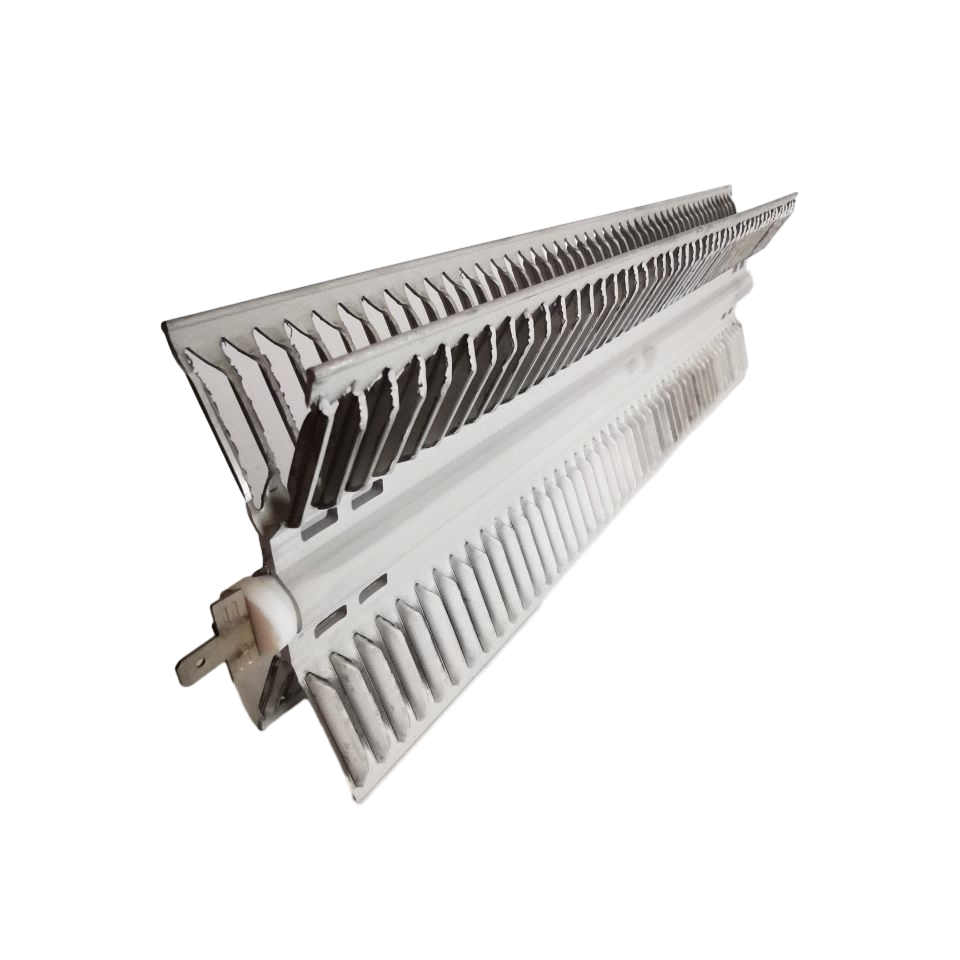
The working principle of the X-Shape Finned Tube hinges on two fundamental concepts of heat transfer: Surface Area and Turbulence.
Analogy: Imagine a radiator. A flat panel radiator heats a room, but one with many folds and fins does it much faster. The X-shape design takes this to the extreme.
Explanation: By folding the fin material into a complex X-pattern, the effective surface area exposed to the air is significantly greater than that of a smooth tube or even a standard spiral fin tube. More surface area means more contact with the air, leading to more efficient heat dissipation.
Analogy: Think of a river. Water flowing smoothly (laminar flow) over a rock doesn't disturb it much. But when the water hits obstacles and becomes turbulent, it erodes the rock much faster.
Explanation: As air passes over the complex geometry of the X-shape fins, it cannot flow in a smooth, straight line. This creates turbulence. This turbulent flow "scrubs" against the fin surface, constantly breaking up the insulating boundary layer of slow-moving air that forms on hot surfaces. By disrupting this layer, heat is transferred from the fin to the air much more effectively.
The Combined Effect: The large surface area provides the stage, and the induced turbulence is the action that forces efficient heat exchange. This is why X-Shape Finned Tubes often outperform conventional designs.

Previous: KST Thermostat for Small Household Appliances
Next: Why Do Cartridge Heaters Fail Prematurely? Top 5 Causes and How to Avoid Them