Jul 30, 2024
Material: Heating elements are typically made from high-temperature-resistant metals, such as stainless steel or nickel-chromium alloys, which have good thermal conductivity.
Design: The heating element may be in the form of coils, strips, or other shapes to ensure even heating of the fryer's bottom or sides.
Current Flow: When the fryer is powered on, electric current flows through the heating element's conductive material. Due to electrical resistance, heat is generated as the current passes through the element.
Heating: As the current flows through the metal, the atoms in the metal are disturbed, producing heat. This heat makes the heating element very hot.
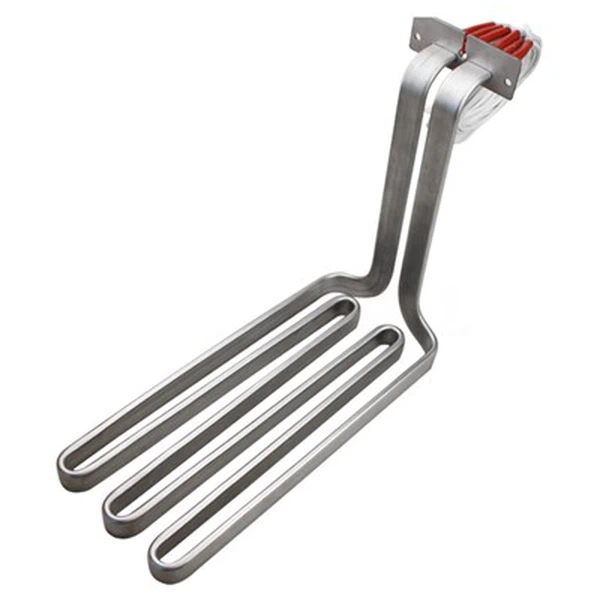
Conductivity: The heat from the heating element is transferred to the oil in the fryer through contact or radiation. Typically, the heating element is in direct contact with the bottom of the pan to efficiently transfer heat to the oil.
Even Heating: A well-designed heating element ensures that heat is distributed evenly, preventing localized overheating of the oil.
Temperature Sensor: Many fryers are equipped with temperature sensors that monitor the oil temperature in real-time. These sensors are usually positioned near the heating element for accurate readings.
Regulation: When the oil reaches the set temperature, the temperature control system automatically adjusts or turns off the heating element to prevent overheating and save energy.
Cleaning: Keeping the heating element clean is crucial for effective heating and to avoid oil buildup. Regular cleaning helps prevent malfunction or fire hazards due to food residue.
Inspection: Regularly check the condition of the heating element to ensure it is not damaged or worn out. If heating is uneven or slow, it may need repair or replacement.
Previous: How is the working process of hot plate in laboratory equipment?
Next: What are the advantages of quartz tubes, and in which areas are they used?