Aug 16, 2024
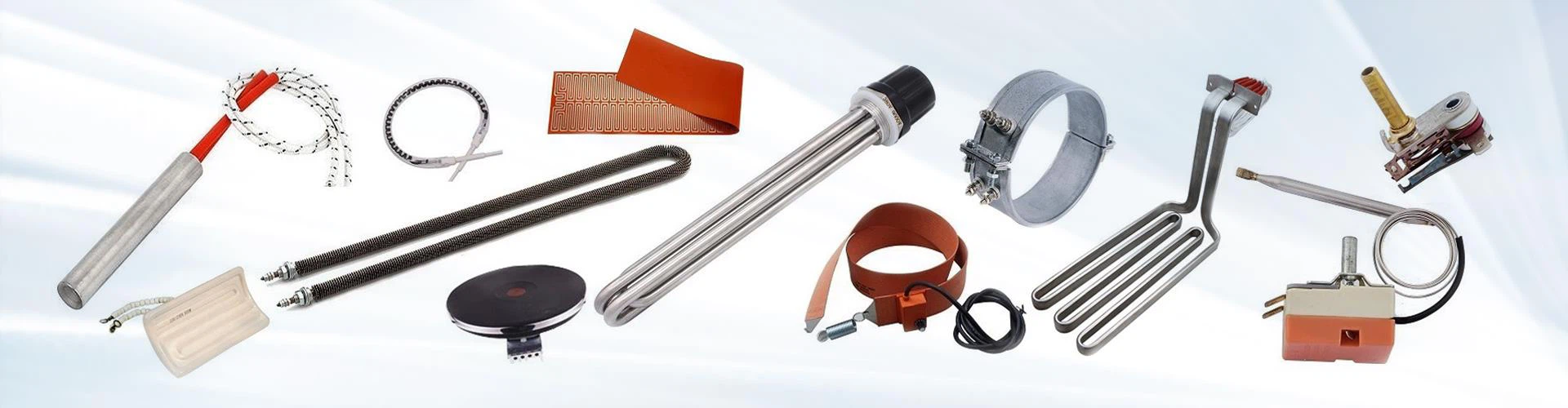
Tubular immersion resistance heaters are essential in the food and beverage industry for processes that require precise and efficient heating of liquids, such as water, oils, or syrups. These heaters convert electrical energy into heat and transfer it directly to the liquid, ensuring consistent and controlled temperatures.
The heater consists of a resistive heating element encased in a metal sheath, usually made from stainless steel or other food-safe materials. This construction ensures durability and resistance to corrosion, which is vital for maintaining hygiene and safety standards in food processing.
In food and beverage applications, the tubular immersion heater is directly submerged in the liquid being processed. This direct contact allows for rapid and efficient heat transfer, which is crucial for processes like pasteurization, cooking, or maintaining product temperatures. The heater's design ensures even heating, preventing localized overheating or burning of the product.

Temperature sensors and thermostats are often integrated with the heater to maintain precise control over the heating process. This is essential for ensuring product quality, consistency, and compliance with industry regulations.
Tubular immersion resistance heaters provide reliable and hygienic heating solutions in the food and beverage industry, ensuring precise temperature control and consistent product quality.
Previous: How is the working process of Pipeline Air Heater in Melt Blown Fabric ?
Next: How is the working process of Tubular Immersion Resistance in HVAC Systems?




