Sep 29, 2025
Silicone heating elements provide precise, uniform heat to the shelves, enabling the sublimation of ice in a controlled and safe manner, which is essential for preserving the quality of freeze-dried products.
Freeze dryers, or lyophilizers, remove moisture from products by sublimation (ice turning directly into vapor) at low temperatures and vacuum conditions. To accelerate this process without damaging sensitive materials, controlled heating is applied to the product shelves or trays.

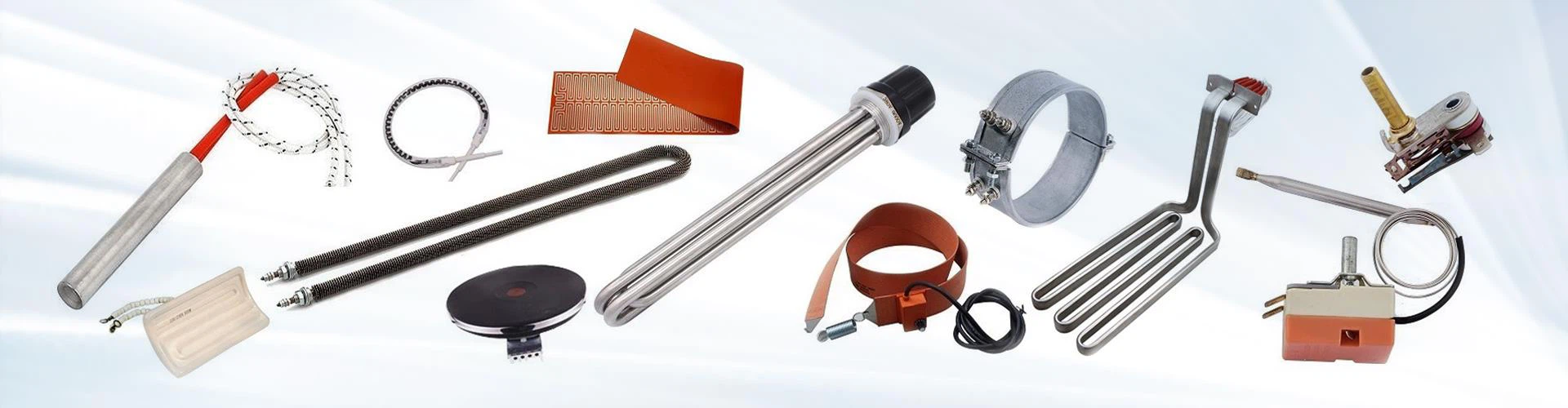
Silicone heating elements are flexible, electrically powered heaters made by embedding resistance wires or etched foil inside silicone rubber. In freeze dryers, they are usually placed under or integrated with the shelves to provide uniform heat.
AC power is supplied to the silicone heater, causing the embedded resistance element to heat up.
The silicone rubber ensures even heat distribution across the shelf.
Silicone's thermal conductivity, though moderate, allows steady heating without hotspots.
Freeze dryers usually use a thermostat or PID controller to regulate the silicone heater.
The temperature is raised gradually to avoid melting or damaging the product.

The controlled heat increases the product temperature slightly above freezing.
Under vacuum, this causes the ice to sublimate efficiently from the product to the condenser.
Silicone heaters are thin, flexible, and lightweight, reducing thermal mass.
The soft silicone layer provides electrical insulation and moisture resistance, important in freeze dryers with high humidity.

Previous: Jaye Heater: Your Strategic OEM Partner for Silicone Drum Heaters
Next: How 3KW Air Fin Heating Element SUS304 Works In Ventilation Heating Systems?