Aug 22, 2023
Designing a heater for a beverage preparation device involves several steps to ensure that the heater meets the desired performance, safety, and efficiency requirements. Here's a general guide on how to design a heater for a beverage preparation device:
1. Identify Requirements:
Determine the type of beverage preparation device (e.g., coffee maker, kettle, hot water dispenser) and the specific heating needs for the device.
2. Calculate Heating Requirements:
Calculate the amount of water or beverage that needs to be heated and the desired temperature rise. This will help determine the required wattage and heating time.
3. Choose Heater Type:
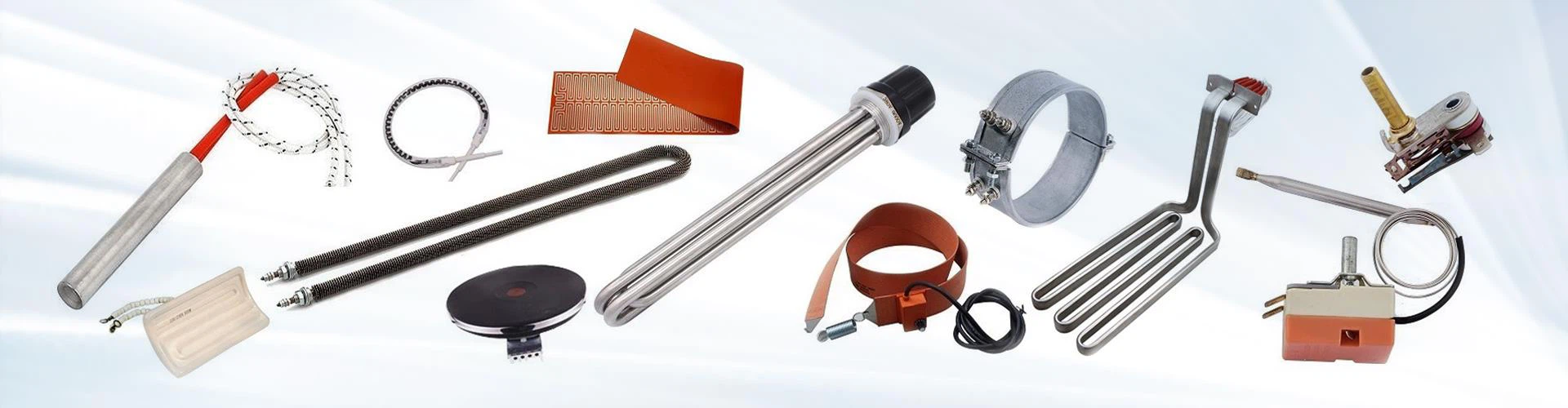
Choose an appropriate heating element based on the requirements. Common options include:
4. Material Selection:
Choose materials that are food-safe, corrosion-resistant, and compatible with the beverage being heated. Stainless steel and food-grade plastics are commonly used.
5. Watt Density Calculation:
Calculate the watt density (watts per unit area) based on the heater's surface area and the required wattage. Avoid high watt densities that can cause overheating.
6. Temperature Control:
Decide on the temperature control method. Options include thermostats, temperature sensors, and digital controllers. This ensures the beverage reaches and maintains the desired temperature without overheating.
7. Heating Element Design:
Design the heating element layout and configuration to ensure even heat distribution. Consider factors like coil arrangement and placement.
8. Insulation:
Include proper insulation to minimize heat loss and improve energy efficiency. Insulating materials should be safe for food applications.
9. Safety Features:
Integrate safety features such as automatic shut-off mechanisms to prevent overheating, boil-dry protection, and temperature limits.
10. Power Supply:
Determine the power supply requirements (voltage, current) and ensure the electrical components are properly rated.
11. Integration with Device:
Design the heater to fit seamlessly into the beverage preparation device's structure, taking into account size, shape, and installation requirements.
12. Prototype and Testing:
Create a prototype of the heater and test it under controlled conditions to ensure it meets heating and safety requirements. Adjust as needed.
13. Regulatory Compliance:
Ensure the heater design complies with relevant safety and regulatory standards, such as UL or CE certifications, especially if the device will be sold commercially.
14. Manufacturing Considerations:
Consider factors like manufacturing processes, assembly, and ease of maintenance when finalizing the design.
15. User-Friendly Interface:
If applicable, design a user-friendly interface for controlling the heater's temperature settings and operation.
16. Quality Control:
Implement quality control measures to ensure each unit of the beverage preparation device meets the designed specifications.
Collaboration with engineers, designers, and experts in the field of heating systems and beverage appliances is recommended to ensure a well-designed and functional heater for your beverage preparation device.





