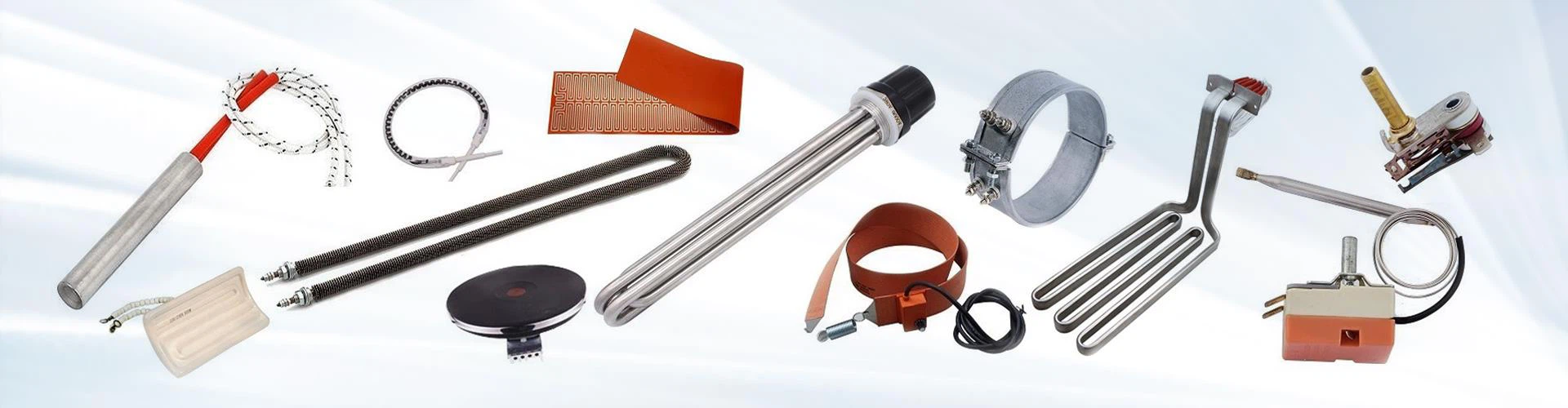
1. Purpose of Cartridge Heaters in Die-Casting Machines
- Heat Maintenance: Cartridge heaters provide continuous heat to maintain the temperature of specific components in the die-casting machine, such as the nozzles, dies, or sprues, to ensure smooth metal flow.
- Temperature Uniformity: Consistent and uniform heat across various parts of the machine is essential to avoid cold spots, which can cause defects like porosity, shrinkage, or misrun in the cast part.
2. Common Areas Where Cartridge Heaters are Used
- Nozzle and Sprue Heaters: Cartridge heaters are often installed in the nozzle or sprue area, where molten metal flows into the die cavity. These heaters keep the metal at the desired temperature until it is injected.
- Die Heating: Cartridge heaters can also be embedded into the die or mold sections to maintain a controlled temperature of the die surfaces, reducing the risk of premature cooling of the molten metal.
- Plunger and Sleeve Heating: In some die-casting machines, cartridge heaters are used to heat the plunger and sleeve areas, ensuring smooth metal injection and reducing wear on components.
3. Installation of Cartridge Heaters
- Fitting into Pre-drilled Holes: Cartridge heaters are typically inserted into pre-drilled holes in the machine's metal components, such as dies, nozzles, or sleeves. The heater must fit tightly for optimal heat transfer.
- Positioning for Heat Distribution: Proper positioning of cartridge heaters is crucial to distribute heat evenly across the die-casting components. Uneven heating can result in defects such as poor surface finish or incomplete filling of the mold.
4. Temperature Control
- Thermal Sensors: Cartridge heaters are often used with thermocouples or RTDs (Resistance Temperature Detectors) to monitor temperature in real-time. These sensors feed data to a temperature controller, which adjusts the heater output as needed.
- Precision Control: Cartridge heaters offer precise and rapid temperature control, which is essential for the varying thermal demands during different stages of the die-casting cycle.

5. Key Considerations for Use
- Power Rating: The wattage and power density of the cartridge heaters should be appropriate for the die-casting machine's requirements. High-power heaters may be necessary for larger machines or higher-temperature applications.
- Material Compatibility: Cartridge heaters must be compatible with the materials they are heating. For example, in aluminum die casting, the heaters need to withstand the high temperatures required to melt and inject aluminum.
- Durability: Cartridge heaters used in die-casting must endure continuous high temperatures, thermal cycling, and mechanical stresses. High-quality, durable heaters help ensure minimal downtime and maintenance.
6. Advantages of Using Cartridge Heaters in Die-Casting Machines
- Fast Heating Response: Cartridge heaters are known for their ability to heat up quickly, which helps minimize machine warm-up times, improving production efficiency.
- Localized Heating: Cartridge heaters provide localized heat directly to critical areas like the nozzle, sprue, or die, reducing energy consumption and ensuring only the necessary areas are heated.
- High Temperature Capability: Cartridge heaters can operate at high temperatures (up to 800°C or more), making them suitable for various types of metal casting, including aluminum, zinc, and magnesium.
- Precise Temperature Control: They enable precise control over the temperature of the die-casting machine's components, ensuring consistent casting quality and reducing defects.
- Compact and Customizable: Cartridge heaters come in a range of sizes and power ratings, allowing them to be tailored to the specific needs of each die-casting machine.
7. Operational Process
- Pre-heating: Before the die-casting process begins, cartridge heaters are used to pre-heat critical components such as the die, nozzle, and sprue, ensuring the molten metal stays at the desired temperature during injection.
- Consistent Heat During Casting: Throughout the die-casting cycle, cartridge heaters maintain consistent heat to ensure proper flow of molten metal and avoid premature cooling in the die cavity.
- Post-Casting Heat Control: Cartridge heaters may continue to regulate temperature during the cooling phase, ensuring controlled solidification of the cast part to avoid defects.
8. Maintenance and Replacement
- Regular Inspection: Cartridge heaters in die-casting machines should be inspected regularly to check for signs of wear, overheating, or failure. Proper maintenance ensures reliable heating and extends the lifespan of both the heaters and the die-casting machine components.
- Easy Replacement: When a cartridge heater wears out, it can usually be replaced easily without significant downtime. Quick replacements minimize interruptions in the production process.