Feb 20, 2025

1. Choose the Right Finned Tubular Heater
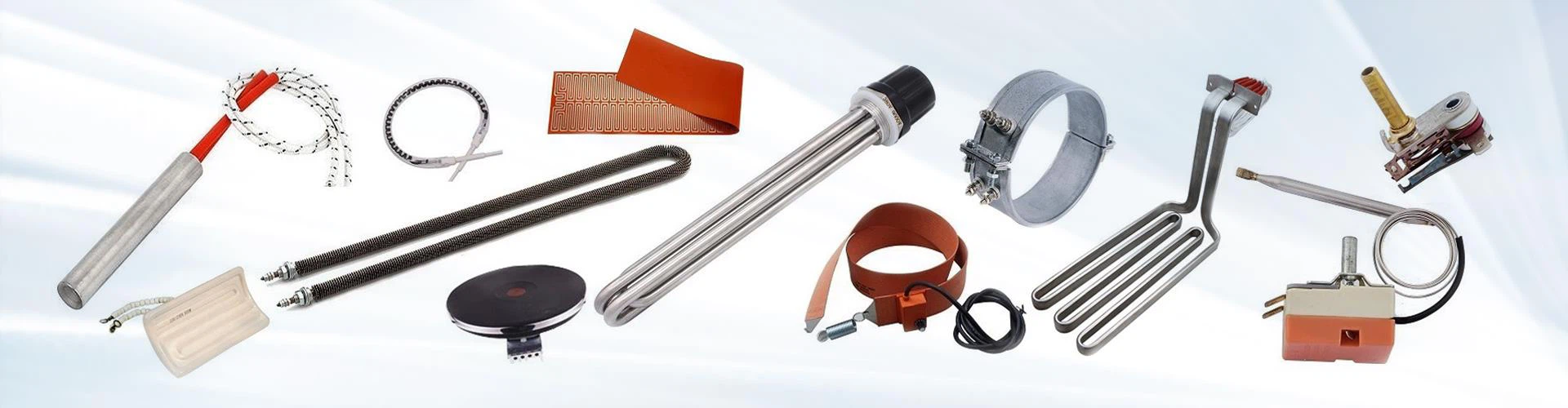
Material Selection: Choose materials like stainless steel, Incoloy, or titanium for corrosive environments.
Power Rating: Select the correct wattage and voltage based on the chemical type and the tank size.
Installation Type: Choose between immersion, flange, screw plug, or inline installation depending on your setup.
2. Installation
Immersion Heaters: Submerge the heater directly in the liquid for maximum heat transfer.
Flange Heaters: Attach the heater to the tank wall using a flange for easy maintenance.
Over-the-Side Heaters: Hang the heater from the tank edge without modifications.
Inline Heaters: Install the heater in the pipeline where the chemical fluid will pass through. This is ideal for continuous flow heating.
Wrap-around or Clamp-on Heaters: Attach the heater around the pipeline to maintain flow temperature and prevent freezing or solidification.
3. Connection & Wiring
Electrical Connection: Connect the heater to a power source that matches the voltage and wattage requirements. Make sure to use appropriate wiring and safety measures like circuit breakers.
Temperature Control: Install a thermostat or temperature controller to regulate the temperature and prevent overheating.
4. Testing Before Use
Dry Run: Before fully powering up, ensure that the heater is properly installed and all connections are secure.
Check for Leaks: If using a flange or immersion type, verify that the connections are tightly sealed to avoid leaks.
Set Temperature Limits: Set the thermostat or controller to the desired temperature for the specific chemical.

5. Operation
Monitor Temperature: Regularly check the temperature gauge to ensure the chemical is heated to the desired temperature.
Avoid Overheating: Use the thermostat to prevent overheating, which could damage sensitive chemicals or the heater.
Check for Uniform Heating: Ensure that the finned design is distributing heat evenly across the chemical medium.
6. Maintenance & Safety
Routine Inspections: Regularly check for signs of corrosion, mineral build-up, or damage to fins.
Cleaning: Clean the heater to remove any chemical residue or debris that could affect heating efficiency.
Replace Elements: If any part of the heater shows signs of wear or failure, replace the heating element immediately to maintain efficiency.
7. Troubleshooting
Uneven Heating: If the heater is not heating uniformly, check for clogging or blockages in the pipeline or tank.
Power Issues: If the heater isn't turning on, ensure proper electrical connections and that the power source matches the heater specifications.
Leaking: If the immersion or flange heater is leaking, check the seal integrity and tighten or replace any seals as needed.
By following these steps, you can ensure that the JAYE Finned Tubular Heater operates efficiently and safely in heating chemical storage tanks and pipelines, maintaining proper chemical conditions and enhancing process reliability.
Would you like additional information on installation kits or specific models?




