Feb 28, 2025
Ensure a Secure Fit: The aluminum coil heater should be properly mounted on the heating surface or inserted into the heating system to ensure efficient heat transfer.
Avoid Mechanical Stress: Do not bend, twist, or apply excessive force to the coil, as this can damage the heating element.
Use Heat-Resistant Insulation: If necessary, apply ceramic or mica insulation to prevent direct contact with surrounding materials that could be affected by high temperatures.
Proper Wiring Connection: Ensure that all electrical connections are properly insulated and securely fastened to prevent short circuits or power loss.
Match the Rated Voltage: Always operate within the specified voltage and power range to prevent overheating or premature failure.
Use a Temperature Controller: A thermostat or PID controller is recommended to regulate the temperature and prevent excessive heat buildup.
Avoid Sudden Voltage Surges: Use a stable power supply to prevent electrical fluctuations that could damage the heater.
Monitor Temperature Limits: Do not exceed the maximum operating temperature specified by the manufacturer, as this can lead to coil degradation or melting.
Ensure Proper Heat Dissipation: If the heater is enclosed, ensure adequate ventilation to prevent overheating.
Avoid Overheating in Idle Mode: Do not power the heater without a heat sink or load, as it may cause thermal runaway.
Protect from Moisture and Corrosive Elements: Aluminum coil heaters should not be exposed to water, oil, or corrosive chemicals, as these can cause oxidation and reduce efficiency.
Dust and Debris Prevention: Keep the heater clean and free from dust accumulation, as this can reduce heat transfer and cause hotspots.
Use in Proper Ambient Conditions: Avoid using in extreme cold or high-humidity environments unless specified as suitable.
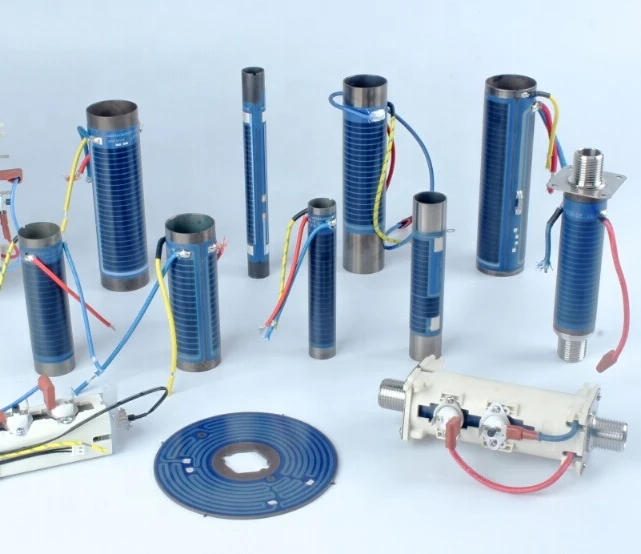
Insulate Exposed Wiring: Ensure that all connections and terminals are properly insulated to prevent electric shock.
Use Protective Circuitry: Implement fuses, circuit breakers, or thermal cutoffs to prevent overheating and electrical failures.
Check for Loose Connections: Periodically inspect terminals and wiring for signs of wear, corrosion, or loosening that may cause electrical hazards.
Regular Inspection: Check for signs of damage, discoloration, or material fatigue, and replace the heater if necessary.
Avoid Physical Impact: Do not drop or apply excessive force to the aluminum coil heater, as it may cause cracks or internal damage.
Allow Proper Cooling Before Handling: Do not touch the heater immediately after operation to prevent burns.
For Industrial Use: Ensure compatibility with the operating environment, especially in applications involving plastics molding, die heating, or metal processing.
For Commercial Heating: Verify that the heater meets safety standards and energy efficiency requirements for extended use.
For Custom Applications: Consult the manufacturer for specific guidance on custom shapes, mounting, or voltage adjustments.
By following these precautions, you can enhance the performance, safety, and durability of an Aluminum Coil Heater, ensuring efficient and reliable heating operations.