
Aug 31, 2026
Outdoor equipment is exposed to changing environmental conditions throughout the year.
Typical challenges include:
Low ambient temperatures
Snow and ice
High humidity
Rain exposure
Large temperature fluctuations
These conditions may cause several problems.
When temperatures drop below freezing, liquids inside pipes, valves, or small containers may freeze.
Frozen liquids can result in:
Blocked pipelines
Damaged components
Reduced system performance
Equipment downtime
A silicone rubber heater can provide localized heat to maintain the temperature above the freezing point.
Temperature differences between day and night may create condensation inside outdoor equipment.
Moisture accumulation can affect:
Electrical connections
Electronic components
Sensors
Control systems
Heating solutions help maintain a more stable internal environment and reduce moisture-related problems.
Some equipment requires a minimum operating temperature to function properly.
Examples include:
Batteries
Communication devices
Industrial instruments
Monitoring systems
A flexible heater helps maintain suitable operating conditions during cold weather.
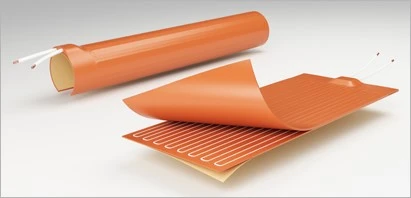
A silicone rubber heater is a flexible electric heating element manufactured by embedding a heating circuit between layers of silicone rubber insulation.
Compared with traditional rigid heating elements, silicone rubber heaters can bend and adapt to different surfaces.
A typical silicone rubber heater consists of:
Silicone rubber insulation layer
Resistance wire or etched foil heating circuit
High-temperature lead wires
Optional adhesive backing
Optional temperature sensor
The working principle is:
Electrical Energy → Heating Circuit → Silicone Rubber Layer → Equipment Surface Heating
When electrical power is supplied, the internal heating element generates heat, and the silicone rubber transfers heat evenly across the designed heating area.
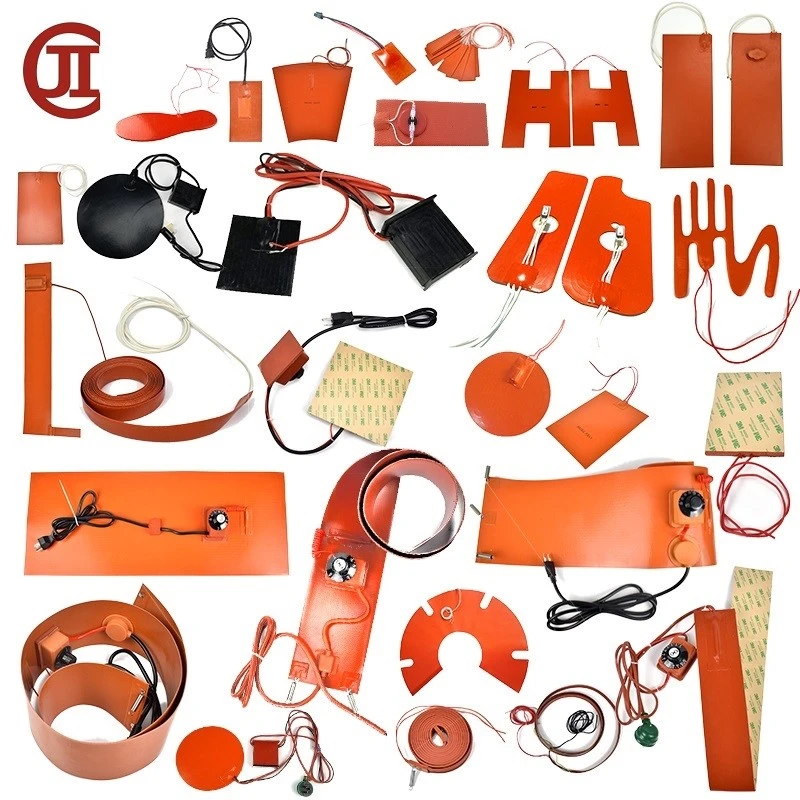
In outdoor applications, silicone rubber heaters are usually attached directly to the surface requiring temperature maintenance.
Typical installation areas include:
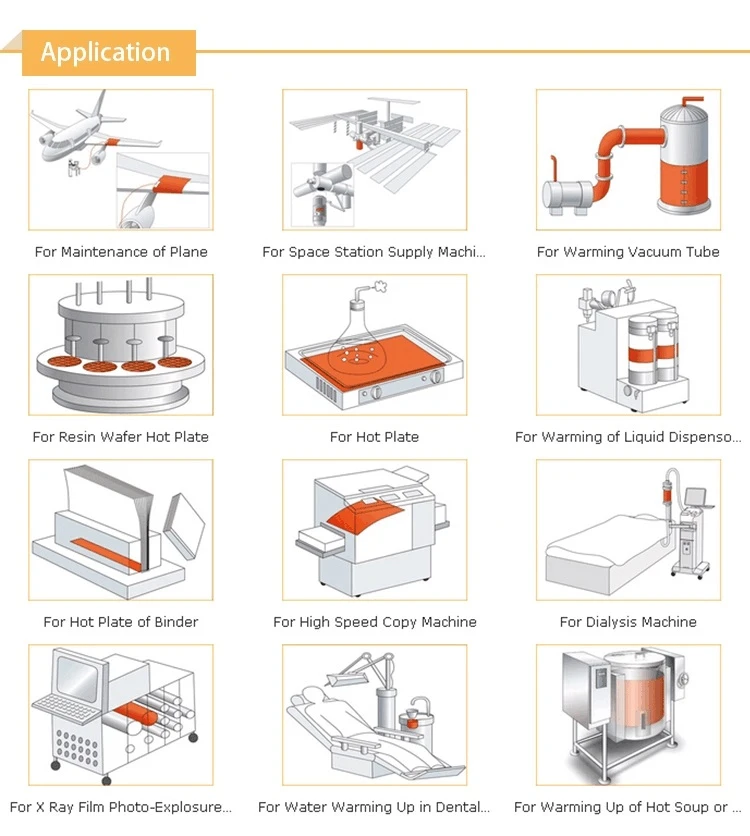
Pipe surfaces
Valve bodies
Equipment housings
Electrical cabinet walls
Battery enclosures
The heating process:
Silicone Rubber Heater
↓
Heat Transfer to Equipment Surface
↓
Maintain Temperature Above Critical Level
↓
Reduce Risk of Freezing or Condensation
Unlike high-temperature heating applications, freeze protection systems usually focus on maintaining a stable temperature rather than generating extreme heat.
Outdoor equipment often has complex structures.
Many components include:
Curved pipes
Cylindrical surfaces
Irregular housings
Limited installation spaces
Silicone rubber heaters can be manufactured in customized shapes, allowing them to fit different equipment designs.
Common customized shapes include:
Rectangular heaters
Circular heaters
Ring-shaped heaters
Special cut-out designs
Many outdoor systems have limited installation space.
Silicone rubber heaters provide:
Thin construction
Lightweight design
Easy integration
They can be installed in compact areas where traditional heating solutions may not be suitable.
Freeze protection requires stable and even heat distribution.
Uneven heating may create cold areas where freezing can still occur.
Silicone rubber heaters provide distributed heating across the designed surface area, helping maintain consistent temperature conditions.
One of the biggest advantages of silicone rubber heaters is their customization capability.
Manufacturers can design heaters according to specific application requirements.
Customization options include:
Heater dimensions
Heater shape
Voltage
Wattage
Lead wire position
Adhesive backing
Temperature sensor integration

Outdoor electrical cabinets are commonly used in factories, energy systems, and infrastructure projects.
Low temperatures and humidity may affect internal electrical components.
Silicone rubber heaters can be installed inside cabinets to help maintain a suitable internal environment.
Applications include:
Automation control cabinets
Electrical boxes
Outdoor switch cabinets
Communication systems often require continuous operation regardless of weather conditions.
Outdoor installations include:
Telecom cabinets
Network equipment enclosures
Remote monitoring systems
Flexible heaters can help reduce condensation and low-temperature issues.
In cold regions, pipes and valves may require freeze protection.
Silicone rubber heaters can be attached to:
Water pipes
Drain pipes
Valves
Small tanks
The heater provides localized heating to reduce the risk of freezing.
Outdoor energy storage systems are increasingly used in renewable energy applications.
Low temperatures may affect battery performance.
Silicone rubber heaters can be integrated into:
Battery cabinets
Energy storage enclosures
Battery thermal management systems
to provide temperature control.
Many industrial sensors and instruments operate in outdoor environments.
Examples include:
Flow meters
Monitoring equipment
Environmental sensors
Flexible heating solutions can help maintain stable operating conditions.
For freeze protection applications, temperature control is an important part of the system design.
Common control methods include:
The heater automatically turns on when the temperature drops below a preset value.
Sensors monitor the equipment temperature and adjust heating output.
A control system manages heating according to environmental conditions.
The typical system structure is:
Temperature Sensor
↓
Controller
↓
Silicone Rubber Heater
↓
Maintain Required Temperature
| Parameter | Consideration |
|---|---|
| Heater Type | Silicone rubber flexible heater |
| Application | Freeze protection / temperature maintenance |
| Installation Surface | Pipe, cabinet, housing, equipment body |
| Heater Size | Based on heating area |
| Heater Shape | Customized according to equipment structure |
| Voltage | According to power supply |
| Wattage | Based on environmental conditions |
| Adhesive | Optional installation method |
| Temperature Sensor | Thermostat, thermistor, RTD, etc. |
| Working Environment | Temperature, humidity, outdoor exposure |
The lowest expected temperature should be considered when selecting heater power.
A system installed in extremely cold regions requires different heating performance compared with a mild climate environment.
Outdoor equipment loses heat through:
Wind
Metal surfaces
Insufficient insulation
Proper insulation combined with silicone heaters can improve heating efficiency.
The heater installation location directly affects performance.
Engineers should evaluate:
Heat transfer path
Required heating area
Equipment structure
A complete heating system should consider:
Proper temperature control
Suitable insulation
Correct electrical connection
Environmental protection
Every outdoor equipment design has different heating requirements.
A standard heater may not meet:
Customized silicone rubber heaters can be developed according to:
For OEM projects, early cooperation between equipment manufacturers and heater suppliers helps create a more reliable heating solution.
Outdoor equipment operating in cold environments requires reliable temperature management to prevent freezing, condensation, and low-temperature failures.
Silicone rubber heaters provide a flexible heating solution with advantages including:
They are suitable for electrical cabinets, communication equipment, pipes, valves, battery systems, and various industrial outdoor applications.
For OEM manufacturers developing outdoor equipment, selecting the right heating solution requires considering installation space, environmental conditions, temperature requirements, and control methods.
JAYE Heater provides customized silicone rubber heaters for industrial OEM applications.
Based on your equipment design, dimensions, voltage, wattage, and operating environment, we can help develop a suitable flexible heating solution.






