Nov 09, 2026
A Tempco heating element alternative should be evaluated according to the original heater type, electrical ratings, installation dimensions, heating medium, and operating conditions.
Different heating elements serve different purposes: tubular heaters transfer heat through a metal sheath, cartridge heaters provide localized heating inside drilled holes, and band heaters heat cylindrical surfaces through external contact.
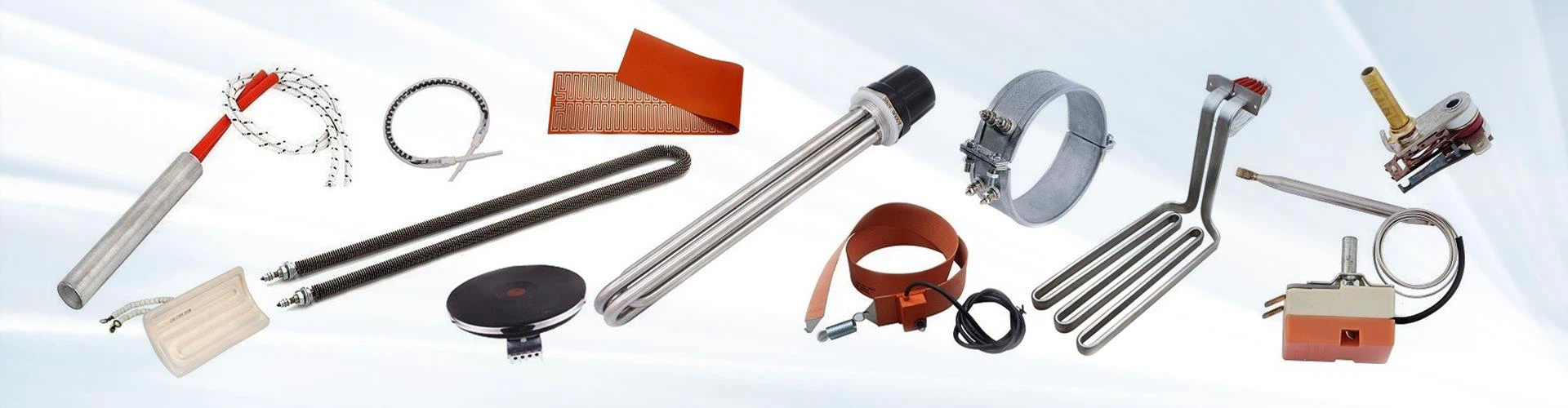
JAYE Heater Technology manufactures customized industrial and domestic heating elements, including tubular heaters, cartridge heaters, band heaters, strip heaters, and immersion heaters.
For equipment manufacturers seeking an alternative supplier or a second source, JAYE can review existing Tempco-related specifications, drawings, or samples to assess manufacturing feasibility.
The key is to identify the actual heating structure first. A replacement should match the equipment's thermal and mechanical requirements rather than simply reproduce the original heater's voltage and wattage.

Tempco offers a broad range of electric heating products, including tubular heaters, cartridge heaters, band heaters, cast-in heaters, strip heaters, tank heaters, and process heaters.
Before looking for an alternative, identify which product family is installed in the equipment.
| Heating Element Type | Typical Installation | Main Application |
|---|---|---|
| Tubular Heater | Mounted, formed, or installed into an assembly | Air heating, liquid heating, ovens, and industrial equipment |
| Cartridge Heater | Inserted into a drilled hole | Molds, dies, platens, and localized metal heating |
| Band Heater | Clamped around a cylindrical surface | Extruders, injection molding machines, and barrels |
| Strip Heater | Mounted against a flat surface | Platens, tanks, dies, and industrial surfaces |
| Immersion Heater | Installed directly into a liquid tank or vessel | Water, oil, and process liquid heating |
| Cast-In Heater | Embedded inside a metal casting | Heated platens, barrels, and integrated thermal components |
These heater types have different construction and heat-transfer methods. A cartridge heater cannot automatically replace a tubular heater, and a band heater is not a direct substitute for an immersion heater.
For an accurate alternative assessment, the original Tempco product model or drawing should be identified before selecting a corresponding JAYE product category.
A heating element replacement involves more than matching its rated voltage and power. Several engineering factors determine whether the alternative can operate correctly within the existing equipment.
Voltage, wattage, resistance, phase, and electrical connection must be checked against the equipment's power supply and control system.
For a resistance heating element, rated electrical power is related to voltage and resistance. However, matching the calculated resistance does not establish equivalent heat distribution or operating temperature.
The terminal arrangement, lead wire type, insulation, and grounding requirements should also be reviewed.
Watt density describes the electrical power dissipated per unit of active heating surface area.
For a tubular heating element:
Watt Density = Heater Wattage ÷ (π × Tube Diameter × Heated Length)
The calculation must use consistent units.
Watt density influences sheath temperature and internal resistance wire temperature. An unsuitable watt density can cause overheating, premature element failure, or damage to the heated material.
For example, air and other gases transfer heat less effectively than many liquids. Airflow velocity and the element's exposed surface area therefore need to be considered when selecting a finned or unfinned tubular heater.
When evaluating an alternative, engineers should check the actual heated length and operating medium rather than comparing total wattage alone.
The sheath material must be compatible with the heating medium and operating conditions.
Common considerations include:
For example, an immersion heater used in a chemical tank may require a different sheath material from a tubular element used for heating clean air.
Stainless steel, Incoloy, and other alloys should be selected according to the actual application. A material that works in one heating medium is not automatically suitable for another.
Even when electrical specifications are similar, a replacement may not fit the original equipment.
The following dimensions should be checked:
For tubular heaters, bending geometry is particularly important.
Excessively tight bends can damage the sheath or internal insulation structure. The allowable bend radius depends on the tube diameter, sheath material, and manufacturing process.
The correct Tempco heating element alternative depends on the equipment and its heating method.
Tubular heating elements are used in ovens, industrial air heaters, liquid heating assemblies, and other equipment requiring a formed metal-sheathed heating element.
The main selection factors include tube diameter, heated length, watt density, sheath material, and bending configuration.
For air heating, airflow and element surface temperature are important. For liquid heating, the heating medium, circulation, and corrosion conditions must also be evaluated.
JAYE manufactures customized tubular heating elements in different shapes and dimensions for domestic and industrial applications.
Related product: JAYE Tubular Heating Elements
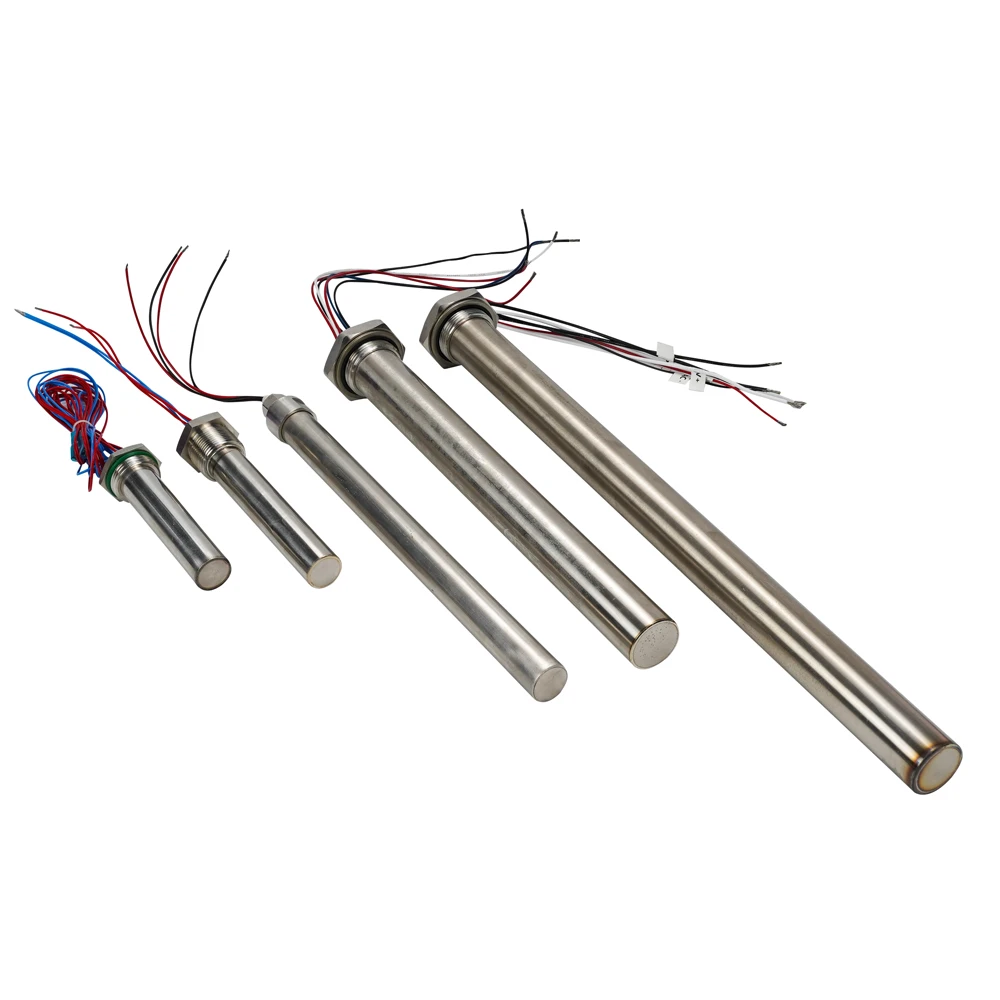
Cartridge heaters are typically inserted into drilled holes in metal components such as molds, dies, and platens.
Their performance depends heavily on the fit between the heater sheath and the receiving hole.
Excessive clearance can reduce heat transfer, while unsuitable watt density can cause the heater to operate at an excessively high temperature.
When evaluating a cartridge heater alternative, check:
JAYE provides customized cartridge heaters with different dimensions, electrical ratings, sheath materials, and termination options.
Related product: JAYE Industrial Cartridge Heaters
Band heaters are installed around cylindrical surfaces to transfer heat through contact with the heated component.
They are commonly used on plastic processing machinery, injection molding equipment, and extruder barrels.
For a replacement, the inside diameter, heater width, construction type, terminal position, and mounting method must match the equipment.
The contact between the heater and barrel is also important. Poor contact can create localized hot spots and reduce heat transfer.
JAYE manufactures mica, ceramic, and nozzle band heaters for different equipment configurations.
Related product: JAYE Band Heaters

Immersion heaters transfer heat directly to liquids inside tanks or vessels.
The heating medium, required immersion length, tank dimensions, sheath material, and installation structure are important selection factors.
For flange or screw-plug immersion heaters, the mounting standard, pressure conditions, terminal enclosure, and element arrangement should also be checked.
JAYE provides customized flange and screw-plug immersion heater configurations for industrial liquid heating applications.

For OEM manufacturers considering an alternative heating element supplier, the first step is a technical review of the existing component.
JAYE's manufacturing range includes several heating element categories, allowing different types of OEM requirements to be assessed according to their construction and application.
A practical evaluation process includes:
Step 1 – Identify the original product
Provide the Tempco model number, product category, drawing, or sample. This helps identify the heating structure and its intended installation method.
Step 2 – Confirm electrical and mechanical specifications
Review voltage, wattage, resistance, dimensions, terminal configuration, mounting details, and quantity.
Step 3 – Review thermal and material requirements
Confirm the heating medium, operating temperature, watt density, sheath material, airflow or liquid circulation, and duty cycle.
Step 4 – Assess manufacturing feasibility
JAYE reviews whether the required shape, dimensions, materials, and electrical configuration can be manufactured using its available processes.
Step 5 – Verify the sample before production
For replacement projects, sample testing under representative operating conditions helps verify installation fit, electrical performance, heat distribution, and operating stability.
A customized alternative should not be considered equivalent simply because it has the same voltage, wattage, or external dimensions. The final design requires technical verification.
JAYE can review existing Tempco heating element drawings, samples, and specifications to assess whether a corresponding customized product can be manufactured. Feasibility depends on the heater type, dimensions, electrical requirements, materials, and application conditions.
The most useful information includes the original model number or drawing, heater type, voltage, wattage, dimensions, sheath material, terminal configuration, quantity, and operating environment. Photos and physical samples can also support the initial evaluation.
Not necessarily. Voltage and wattage are only part of the specifications. Watt density, heated length, sheath material, installation clearance, heat transfer conditions, and terminal structure can all affect compatibility.
Material selection depends on the heating medium, chemical exposure, operating temperature, pressure, and corrosion conditions. The original material can be used as a reference, but its suitability should be checked against the actual operating environment.
Yes. JAYE manufactures different types of customized heating elements, including tubular heaters, cartridge heaters, band heaters, strip heaters, and immersion heaters. Dimensions, voltage, wattage, materials, and configurations are evaluated according to individual project requirements.
Finding a Tempco heating element alternative is an engineering compatibility task, not simply a brand substitution exercise.
The original heater type, electrical ratings, watt density, sheath material, installation dimensions, and operating environment all influence replacement suitability.
For equipment manufacturers seeking an alternative OEM supplier or a second source, JAYE Heater Technology can review existing drawings, samples, and technical specifications to assess customized manufacturing possibilities.
To begin an evaluation, provide the original heater model or drawing, its electrical specifications, and the equipment's operating conditions. These details help establish whether a suitable customized heating element can be manufactured.
[1] Tempco – Electric Heaters and Elements
[2] Tempco – Tubular Heaters
[3] Tempco – All About Tempco's Tubular Heating Elements
[4] Tempco – Tubular Heater Specifications and Tolerances
[5] JAYE Heater – Tubular Heating Elements
[6] JAYE Heater – Industrial Cartridge Heaters
[7] JAYE Heater – Band Heaters
[8] JAYE Heater – About Us and Product Range
Trademark notice: Tempco is a trademark of its respective owner. JAYE Heater is an independent heating element manufacturer. This article is for technical reference and alternative supplier evaluation only. It does not imply affiliation, endorsement, or guaranteed interchangeability.

Send your inquiry about cosmetic tubes to us and experience the transformative power it can have on your business.
Previous: No Information
Next: JAYE Tubular Heater vs Zoppas Tubular Heater: Appliance OEM Comparison