Apr 17, 2026
A timer switch for oven cookers is an electromechanical or electronic control device designed to regulate heating duration and ensure automatic shut-off or staged operation of heating elements. It plays a critical role in both domestic kitchen appliances and industrial thermal processing equipment, where precise time control directly affects cooking consistency, energy efficiency, and operational safety.

Timer switches operate by controlling the electrical supply to the oven's heating elements based on a preset time interval. Two main technologies are commonly used:
Mechanical timer switches, which rely on spring-driven gear systems that gradually release stored energy to actuate electrical contacts.
Electronic timer switches, which use microcontrollers or integrated timing circuits to generate precise switching signals.
In both systems, the timer interrupts or restores current flow through a relay or bimetallic switch mechanism once the programmed duration is reached.
Mechanical systems are valued for simplicity and robustness, while electronic systems provide higher accuracy and additional programmable functions such as delay start, multi-stage cooking, and digital countdown display.
A typical oven timer switch includes a control knob or digital interface, timing circuit or mechanical gear train, switching contacts, and protective housing. In electromechanical designs, the core switching element is often a silver alloy contact set designed to withstand repetitive arcing under inductive loads.
Electrical ratings commonly range from 10A to 16A at 250V AC for domestic ovens, while industrial versions may support higher loads via external contactors.
The integration with oven heating circuits requires careful insulation design and thermal resistance, as ambient temperatures near oven panels can exceed 80–120°C during operation.
Critical performance indicators include:
Timing accuracy: ±1–5% for mechanical systems, ±0.5–1% for electronic systems
Operating temperature range: typically -10°C to 125°C
Electrical endurance: 10,000–100,000 switching cycles depending on design
Contact resistance: typically below 50 mΩ for stable current flow
Load capacity: 2.5 kW to 3.5 kW for standard household ovens
Electronic models generally outperform mechanical ones in precision, but require stable power supply and surge protection.
Oven timer switches must comply with international safety standards such as IEC 60730 for automatic electrical controls. Key safety features include flame-retardant housings, overload protection, and fail-safe contact separation.
Thermal drift is a major reliability concern in oven environments. Prolonged exposure to high temperature can affect mechanical spring tension or electronic component stability. Therefore, materials such as heat-resistant thermoplastics and high-grade copper alloys are widely used to ensure long-term durability.
Timer switches are widely used in:
In domestic applications, the primary function is user convenience and safety. In industrial environments, timer switches often integrate with broader control systems such as programmable logic controllers (PLCs) to coordinate multi-stage thermal processes.
Compared to manual control systems, timer switches significantly improve repeatability and safety. Compared with advanced PLC-based systems, they are more cost-effective but less flexible.
For example, in baking applications:
Manual control systems may result in temperature variation of ±15–20°C due to inconsistent operation time.
Timer-based systems reduce deviation to approximately ±5–8°C by ensuring consistent heating cycles.
PLC-integrated systems can achieve ±2–3°C precision but at significantly higher system cost and complexity.
Thus, timer switches represent a balanced solution between cost, precision, and operational simplicity.
Case 1: Commercial Bakery Oven Upgrade (France)
A bakery replaced manual oven control with mechanical timer switches rated at 16A/250V. The result was a 22% reduction in product overbaking incidents and improved batch consistency. Energy consumption per baking cycle also decreased by approximately 12% due to optimized heating duration.
Case 2: Industrial Drying Oven (Vietnam)
An industrial drying system for food processing integrated electronic timer switches with relay output control. This allowed precise 3-stage heating cycles (preheat, drying, cooling). Product moisture variation was reduced from ±6% to ±2.5%, improving final product quality stability.
Timer switches for oven cookers remain an essential component in thermal control systems, bridging the gap between simple manual operation and advanced programmable automation. Their ability to provide reliable time-based control improves safety, energy efficiency, and product consistency across both domestic and industrial applications.
While electronic and PLC-based systems continue to evolve, timer switches maintain strong relevance due to their cost efficiency, robustness, and ease of integration in a wide range of oven technologies.

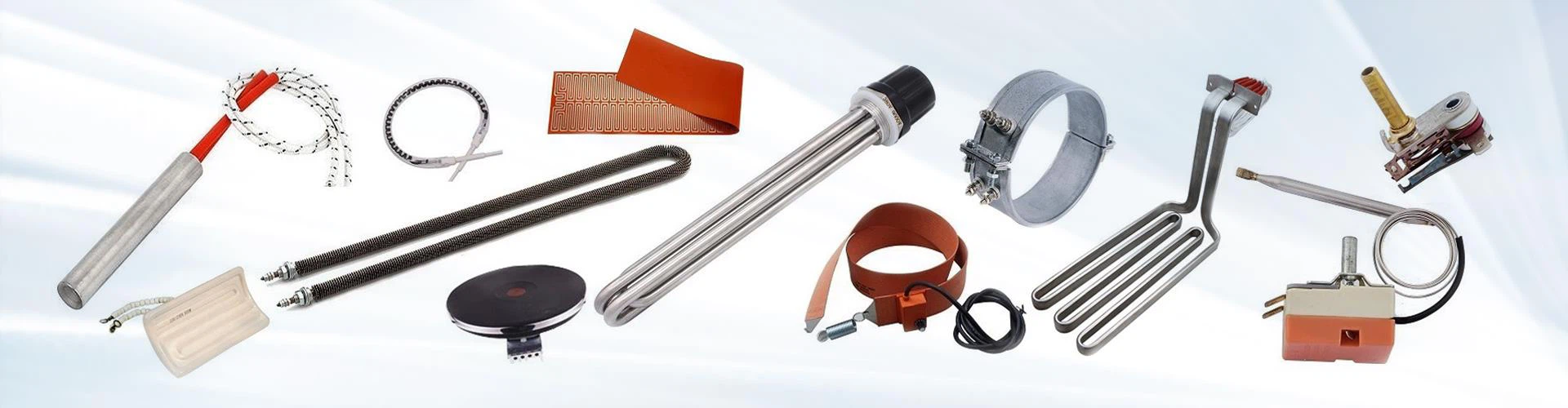
If you require heating elements, Jaye Heater-as a long-standing manufacturer of heating elements-will assist you with our team of professional technicians and sales personnel.
Previous: How to Select a 3D Printer Nozzle Heating Cartridge Heater?
Next: How Silicone Rubber Drum Heaters Improve Industrial Heating Efficiency and Temperature Control?