Jan 23, 2024
Efficient heat distribution is a critical factor in various industrial, commercial, and residential applications. One key element in achieving optimal heat transfer is the design of the heating element itself. Finned heaters, characterized by their extended surfaces or fins, play a crucial role in enhancing heat distribution. In this article, we will explore the implications of finned heater design on heat distribution and its impact on diverse applications.
Understanding Finned Heater Design:
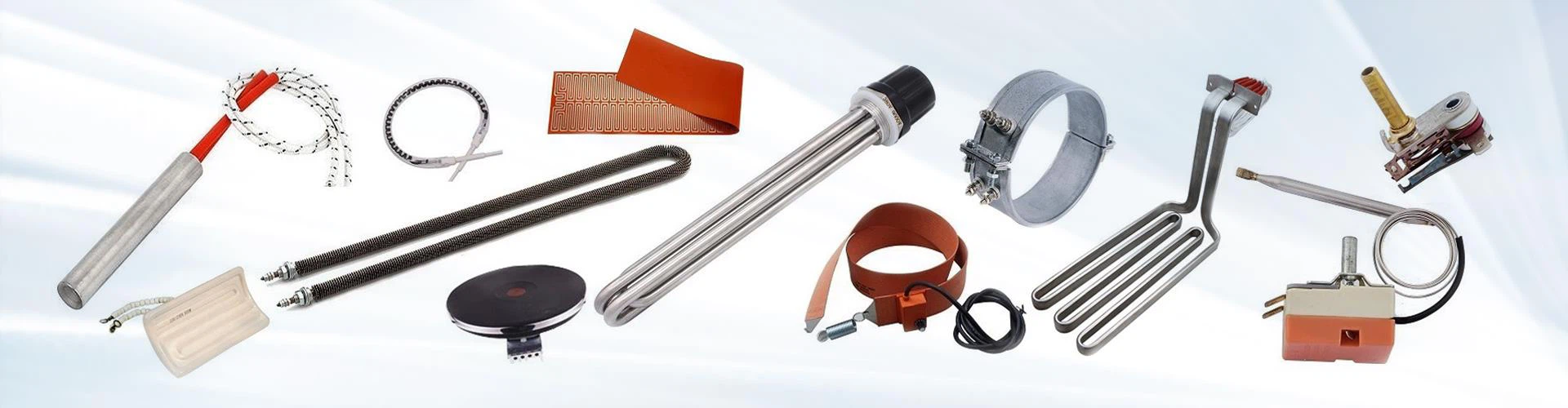
Finned heaters are designed with extended surfaces, commonly known as fins, attached to the heating element. These fins significantly increase the surface area of the heater, promoting better heat dissipation and distribution. The basic principle behind finned heaters is to maximize the contact area between the heating element and the surrounding medium, whether it's air, liquid, or another substance.
Improved Heat Transfer:
The primary advantage of finned heater design lies in its ability to enhance heat transfer efficiency. The increased surface area provided by the fins facilitates better heat dissipation into the surrounding environment. As the heater warms up, the fins efficiently transfer the generated heat to the air or liquid, ensuring a more uniform temperature distribution.
Applications in Air Heating:
Finned heaters find widespread use in air heating applications. For example, in industrial settings where forced air systems are prevalent, finned heaters are employed to ensure rapid and uniform heating of the air. The extended fins allow for increased contact with the air, resulting in quicker heat transfer and more consistent temperature profiles.
Liquid Heating and Immersion Applications:
In liquid heating applications, such as industrial tanks or process equipment, finned heaters contribute to efficient heat distribution within the liquid medium. The fins help disperse heat evenly, preventing localized hot spots and ensuring that the entire volume of the liquid reaches the desired temperature. Immersion heaters with fins are particularly effective in this regard.
Energy Efficiency and Cost Savings:
Finned heater design can lead to energy efficiency gains. By improving heat distribution, these heaters reduce the overall energy consumption required to achieve and maintain a target temperature. The enhanced efficiency can translate into cost savings for businesses and homeowners alike, making finned heaters an attractive option for those seeking both performance and economy.
Challenges and Considerations:
While finned heaters offer numerous benefits, it's essential to consider the specific requirements of each application. Factors such as the environment, type of heating medium, and space constraints can influence the effectiveness of finned heater designs. Additionally, proper maintenance is crucial to prevent issues like fouling or corrosion that may impact heat transfer efficiency over time.
Conclusion:
In conclusion, the implications of finned heater design on heat distribution are significant and diverse. From industrial air heating to liquid immersion applications, the enhanced surface area provided by fins plays a crucial role in achieving efficient and uniform heat transfer. As technology continues to advance, finned heaters are likely to remain a key solution for those seeking optimized heat distribution in a wide range of settings.
Know More about Finned Heaters
Previous: What are the noise levels associated with operating Finned Heaters?
Next: How Finned Heaters Can be Utilized in Convection Heating Systems?