Apr 16, 2025
High-temperature plugs (or high-temperature electrical connectors) are critical components designed to maintain reliable electrical connectivity in extreme thermal environments. Their specialized construction-using heat-resistant materials like ceramic, thermosetting polymers, or metal alloys-enables them to withstand temperatures exceeding 200°C (392°F) and even higher in some cases. Below is a detailed breakdown of their key application areas:
Furnaces & Kilns: Used in steelmaking, glass production, and ceramic sintering, where plugs connect heating elements to power sources in environments exceeding 1000°C.
Plastic Injection Molding: Ensures stable power transmission to cartridge heaters in molds operating at 300–500°C.
Semiconductor Manufacturing: Critical for diffusion furnaces and epitaxial reactors, where precise temperature control (up to 1200°C) is required.
Food Processing: Integrated into industrial ovens, sterilizers, and extruders for high-temperature cooking or packaging.

Battery Thermal Management: Connects heating elements in EV battery packs during preheating (sub-zero conditions) or cooling systems.
Charging Infrastructure: Used in high-power DC fast chargers to handle heat generated during rapid energy transfer.
Engine Components: Supports glow plugs in diesel engines and sensors in exhaust systems (e.g., oxygen sensors near catalytic converters).

Aircraft Engines: Links sensors and heating systems in jet engines, where temperatures exceed 500°C during operation.
Spacecraft: Deployed in thermal control systems for satellites and re-entry vehicles exposed to extreme radiative heat.
Military Equipment: Ensures reliability in missile guidance systems, armored vehicle electronics, and field-deployable heating units.

Solar Thermal Plants: Connects concentrated solar power (CSP) receivers operating at 400–1000°C.
Nuclear Reactors: Used in backup heating systems and sensor networks within radiation-heavy, high-temperature zones.
Geothermal Systems: Supports downhole tools and sensors in geothermal wells with temperatures over 200°C.
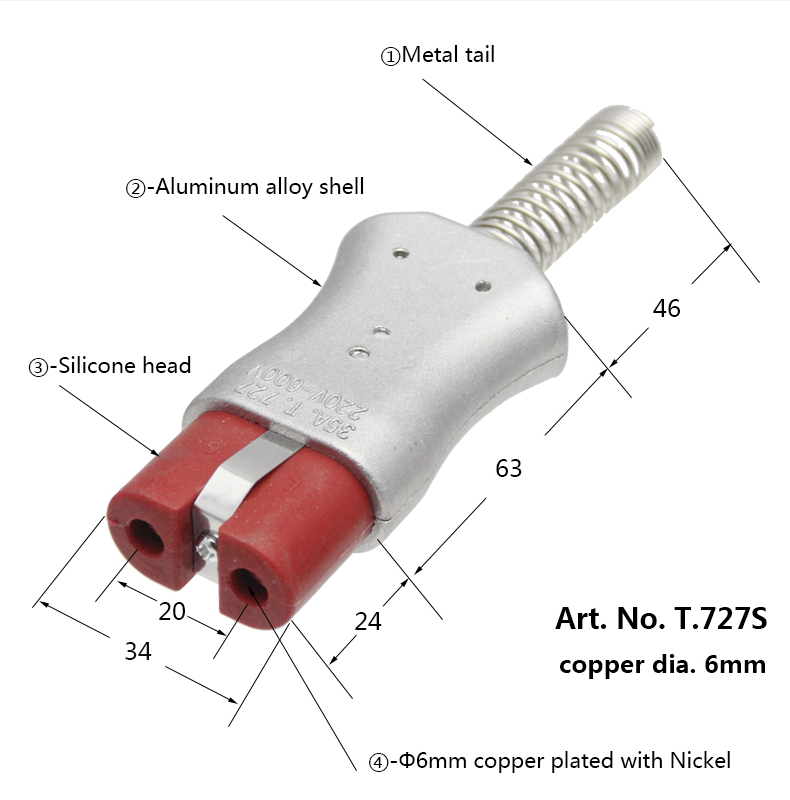
Material Testing Chambers: Provides electrical interfaces in thermal shock testers or combustion analysis devices.
Research Furnaces: Enables precise control in labs studying high-temperature material behavior (e.g., superconductors or aerospace alloys).
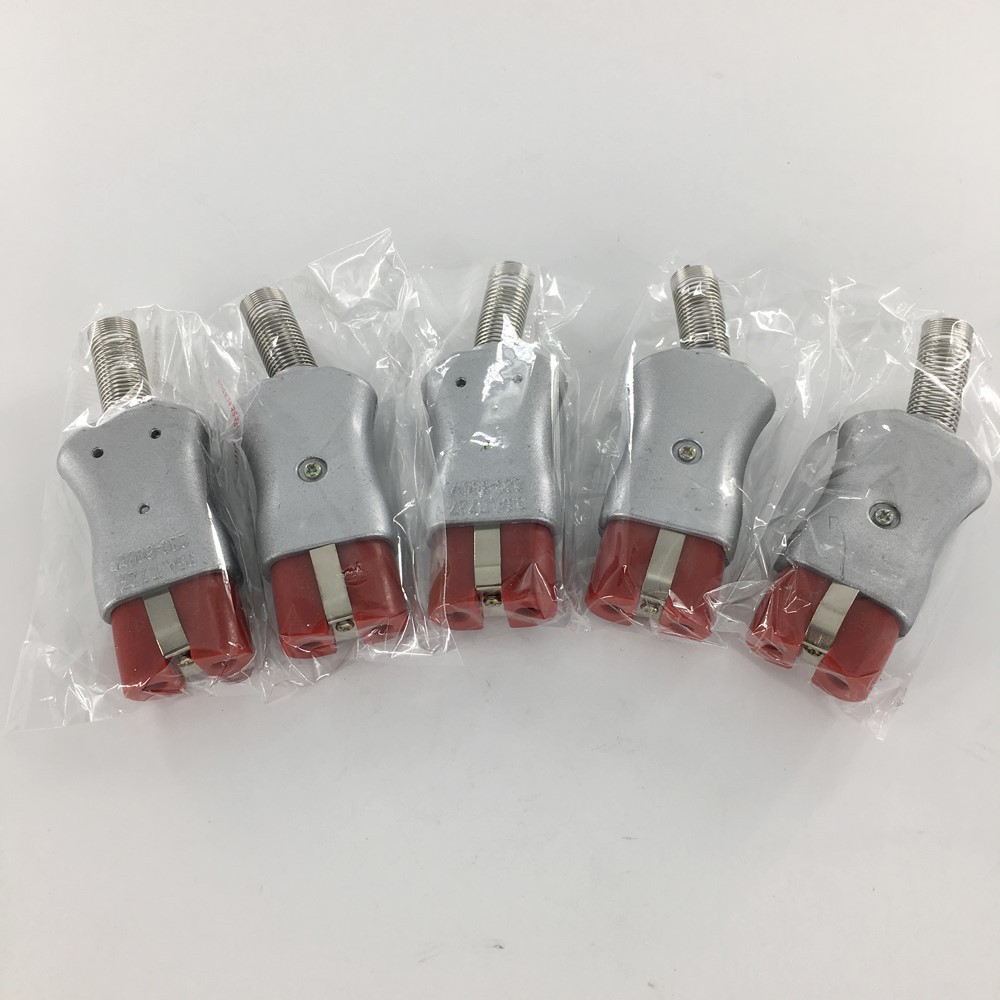
Autoclaves: Ensures electrical safety in steam sterilization units operating at 120–140°C.
Medical Lasers: Connects components in CO₂ or diode lasers used for surgical procedures, where heat dissipation is critical.

Insulation Materials: Ceramic (Al₂O₃, AlN), PEEK, or silicone-based compounds.
Contact Materials: Nickel-plated alloys or refractory metals (e.g., tungsten) to resist oxidation.
Sealing Solutions: Hermetic seals to prevent thermal degradation of internal components.

Previous: How can the drum heater evenly heat to reduce oil viscosity and improve pumping efficiency