Aug 28, 2025
Low Density Structure: Quartz tubes have extremely low thermal mass compared to ceramic or metal sheathed elements. They contain no dense insulating materials (e.g., MgO) or thick metal housings that require time to heat up.
Direct Radiation: Energy bypasses heating the enclosure and transfers directly as infrared radiation, reaching operational temperatures in 1–3 seconds. Ceramic or metal elements may take minutes to heat up and stabilize.
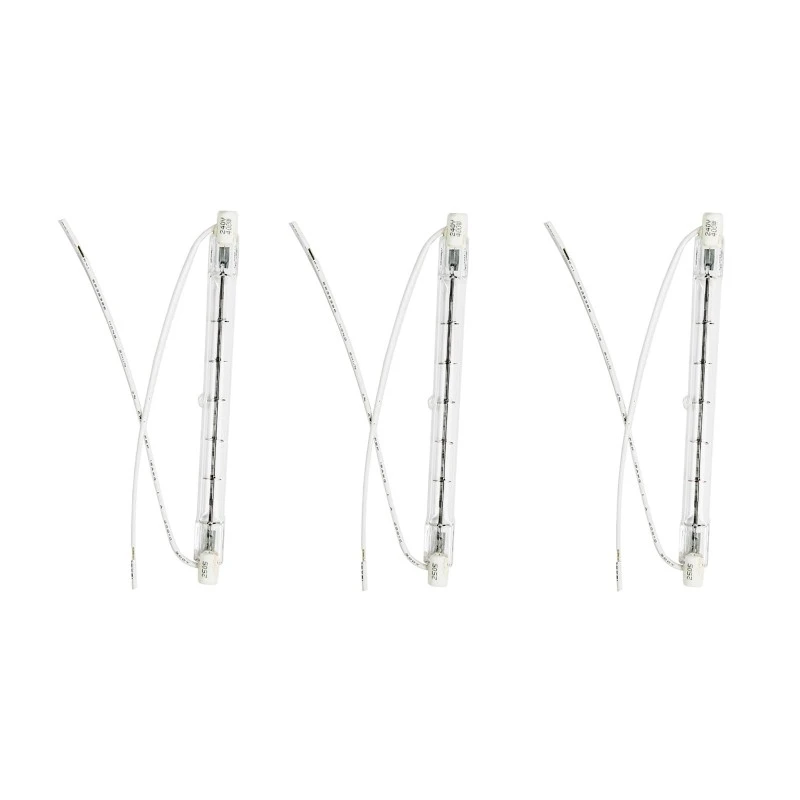
High Transparency to IR: Quartz is >90% transparent to infrared wavelengths, allowing nearly all generated heat to pass through the tube without being absorbed. This maximizes the ratio of radiative output to electrical input.
Focused Wavelength Targeting: The tungsten filament inside a quartz tube heats to temperatures around 2,200°C, emitting peak radiation in the short to medium-wave IR range (1–4 μm). This spectrum is rapidly absorbed by most industrial materials (plastics, paints, textiles).
Near-Instant On/Off Cycling: The rapid cooldown (5–10 seconds) and heat-up times enable precise PWM (Pulse-Width Modulation) control. This allows real-time adjustments to heat output without overshooting temperature targets.
Ideal for High-Speed Lines: In processes like web drying, printing, or film shrinking, products move quickly (e.g., 100+ ft/min). Quartz IR heaters can activate/deactivate between gaps in products, saving energy and preventing overheating.
| Heater Type | Response Time | Key Limitation |
|---|---|---|
| Quartz IR | 1–3 seconds | Fragile; requires physical protection. |
| Ceramic IR | 5–10 minutes | High thermal mass; slow to adjust. |
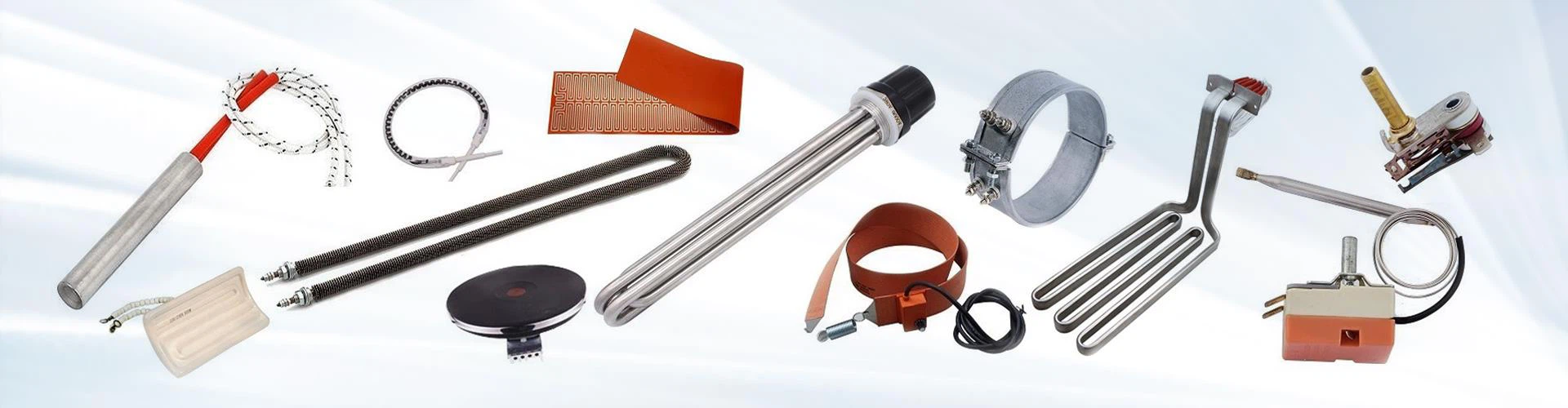
| Metal Sheathed (Calrod) | 2–5 minutes | Energy wasted heating metal sheath. |
| Halogen Lamps | <1 second | Shorter lifespan; higher cost per watt. |
Printing & Packaging: Drying inks or adhesives on cans, bottles, or labels without slowing production lines.
Plastic Thermoforming: Pre-heating sheets uniformly in seconds before molding.
Food Processing: Browning or searing products on conveyor belts with precise dwell times.
Electronics Manufacturing: Rapid curing of conformal coatings or epoxy without damaging components.
Fragility: Quartz tubes are susceptible to mechanical shock or water splashes, requiring protective guards in harsh environments.
Peak Temperature Limits: While excellent for rapid cycling, quartz heaters typically operate at lower maximum surface temperatures than silicon carbide elements.