Sep 24, 2026
Why Is Insulation Material Important in Electric Heating Elements?
Insulation material plays a critical role in the performance, safety, and service life of electric heating elements. Although the heating wire is the component that generates heat, the insulation layer determines how efficiently the heat is transferred, how safely the heater operates, and how well it withstands demanding working conditions.
In electric heating elements, insulation materials are used to electrically isolate the resistance wire from the outer metal shell or surrounding components. This prevents short circuits, improves electrical safety, and allows the heater to operate reliably under high voltage and high temperature conditions.
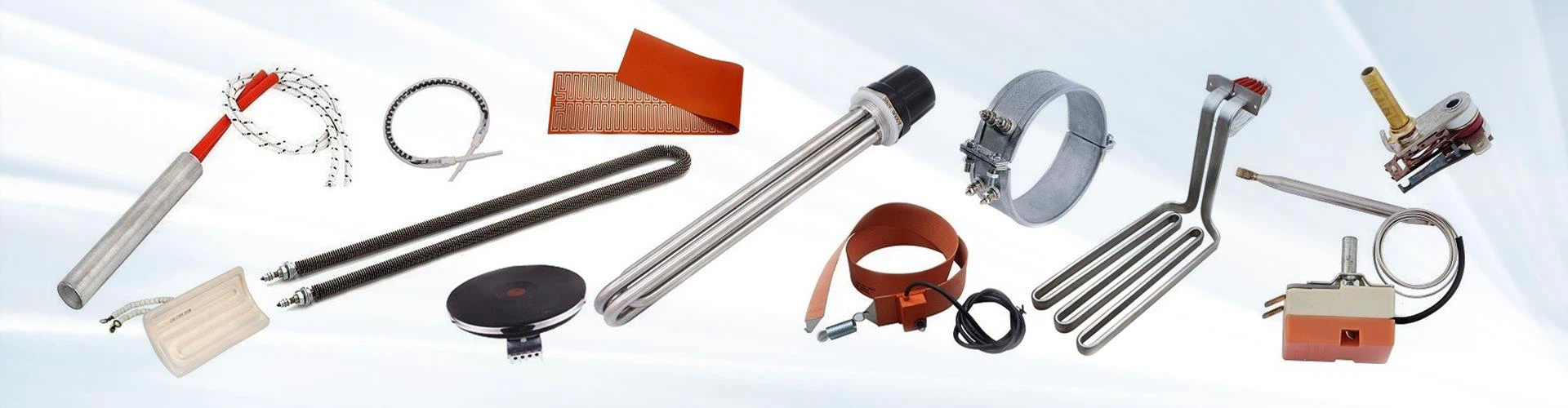
Different heating applications require different insulation materials. For example, magnesium oxide (MgO) is commonly used in cartridge heaters and tubular heaters because of its excellent electrical insulation, high thermal conductivity, and high-temperature resistance. Mica is widely used in band heaters and frame heaters due to its good insulation performance, heat resistance, and mechanical strength. Silicone rubber and polyimide film (PI) are often selected for flexible heaters because they provide good insulation while allowing the heater to be thin and flexible.
High-quality insulation materials also improve heating efficiency. Good thermal conductivity allows heat generated by the resistance element to transfer quickly to the target surface, reducing energy loss and improving temperature uniformity. At the same time, stable insulation prevents electrical leakage and protects the heating element from moisture, vibration, and mechanical stress.

Previous: Where Is Heating Used in Factory Automation Equipment?
Next: How Do Mica Band Heaters Work for Plastic Processing Machines?