Nov 21, 2023
In the dynamic and complex landscape of the oil and gas industries, efficient and reliable heating solutions are crucial for maintaining optimal operating conditions. Finned heaters, a specialized type of electric heating element, play a vital role in various applications within these industries. This article explores the uses and benefits of finned heaters, shedding light on their contributions to enhancing efficiency and performance.
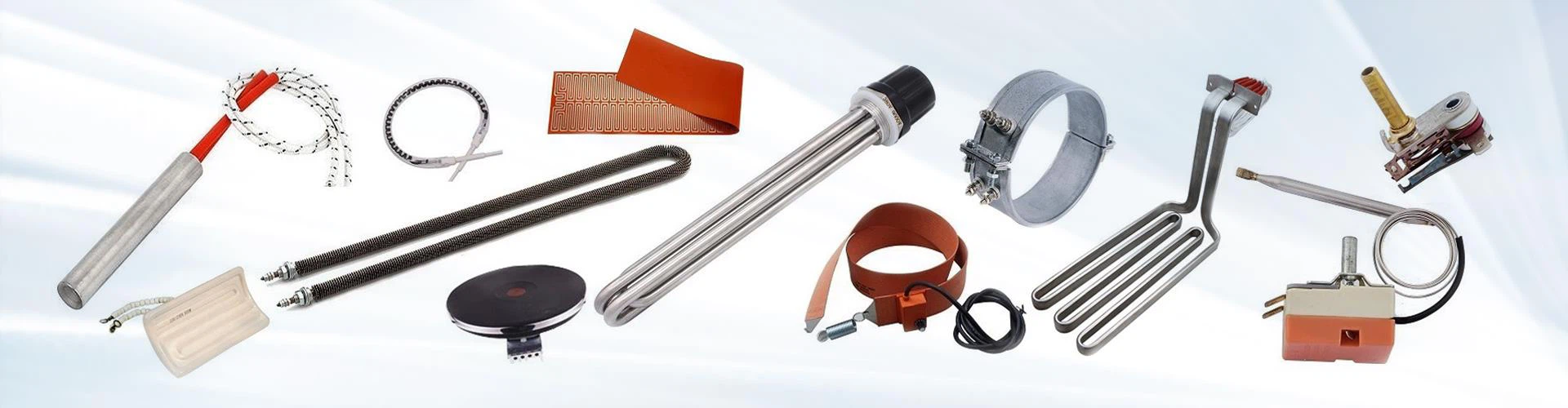
Finned heaters are electric heating elements equipped with fins that extend from the surface of the heating element. These fins serve the dual purpose of increasing the surface area available for heat transfer and improving the efficiency of the heating process. The unique design of finned heaters makes them ideal for applications where rapid and uniform heat distribution is essential.
1. Process Heating:
Finned heaters find widespread use in process heating applications within the oil and gas industries. Whether it's heating liquids, gases, or solids, these heaters excel at providing consistent and controllable heat. Their ability to operate in high-temperature environments makes them suitable for processes such as crude oil heating, distillation, and chemical reactions.
2. Tank and Vessel Heating:
Oil and gas storage tanks and vessels often require controlled heating to prevent the congealing or solidification of fluids. Finned heaters are commonly employed to maintain the desired temperature within these storage systems, ensuring the efficient flow of materials during extraction, transportation, and refining processes.
3. Pipelines and Wellhead Protection:
In cold climates, pipelines and wellheads can be susceptible to freezing, leading to operational disruptions. Finned heaters are strategically placed along these critical infrastructure components to prevent the formation of ice, ensuring the continuous flow of oil and gas. This proactive approach to temperature management helps mitigate the risk of costly downtime.
4. Wax and Paraffin Removal:
Wax and paraffin buildup in oil wells can impede production and reduce the efficiency of extraction operations. Finned heaters are employed to facilitate the removal of these deposits, maintaining the flow of hydrocarbons and preventing blockages that could otherwise lead to equipment failure.
1. Energy Efficiency:
The enhanced surface area provided by the fins allows for efficient heat transfer, reducing energy consumption and operational costs. This makes finned heaters a cost-effective solution for the energy-intensive processes inherent in oil and gas operations.
2. Temperature Control:
Finned heaters offer precise temperature control, ensuring that critical processes occur at optimal temperatures. This level of control is essential for maintaining the quality of extracted materials and preventing damage to equipment.
3. Durability and Reliability:
Constructed from high-quality materials, finned heaters are designed to withstand harsh environmental conditions and corrosive elements commonly found in the oil and gas industry. Their robust construction contributes to long service life and minimal maintenance requirements.
4. Quick Response Time:
The design of finned heaters allows for rapid heating and response times, crucial in applications where prompt adjustments to temperature are required.
Finned heaters have become indispensable in the oil and gas industries, offering a reliable and efficient solution for a range of heating applications. From ensuring the smooth flow of materials in pipelines to preventing the formation of ice in wellheads, these heaters contribute significantly to the overall efficiency and performance of oil and gas operations. As technology continues to evolve, finned heaters are likely to play an increasingly vital role in meeting the ever-growing demands of this critical sector.
Know More about Finned Heaters
Previous: How do Finned Heaters improve process efficiency in manufacturing?
Next: How to properly size Finned Heaters for industrial applications?