12
Jan
 How to Accurately Test and Evaluate PTC Heating Elements?
Contents Temperature-Resistance Characteristic Analysis Accelerated Aging Evaluation Visual and Structural Inspection Thermal Performance Assessment Environmental Control Standards Data Management and Analysis Testing Frequency and Scheduling Warning Signs Requiring Attention Failure Criteria...
12
Jan
 How to Use Ceramic Heating Lamps Properly with Humidity Control?
Contents Introduction Ceramic Heating Technology Fundamentals Component Construction and Materials Infrared Radiation Mechanism Understanding Reptile Heating Requirements Species-Specific Thermal Needs Common Misconceptions About Ceramic Heating Humidity Management Strategies with Ceramic...
09
Jan
 How PTC Cartridge Heaters Work in Solar Water Heaters?
Core Principle: The Self-Regulating Nature of PTC To understand their application in solar heaters, it's essential first to grasp the fundamental difference between a PTC heater and a standard resistive heater: Standard Resistive Heater: Resistance is constant, power output is stable. When...
09
Jan
 How to Safely Operate an Immersion Heater?
Introduction Immersion heaters serve as essential water heating solutions in residential settings, particularly where central heating systems are unavailable or as supplementary hot water sources. These devices function by utilizing electric heating elements submerged directly in water tanks to...
09
Jan
 How Finned Tubular Heaters Master the Art of Efficient Air Heating?
1. Introduction: The Unsung Hero of Air Heating In the vast landscape of industrial thermal management, many components work behind the scenes, yet none are quite as crucial for air-based processes as the finned tubular heater . While a standard heating element does the basic job of generating...
08
Jan
 How Silicone Spiral Heaters Optimize Dispensing?
Silicone spiral heaters are not just accessories; they are active process optimization tools. They enhance dispensing by solving key physical and operational challenges, leading to superior quality, efficiency, and cost savings. 1. Optimization of Fluid Behavior Precision Viscosity Control: They...
08
Jan
 How to Select the Right Mica Band Heater for Your Application?
Mica band heaters are essential heating components widely used in industrial applications such as plastic injection molding, extrusion machinery, packaging equipment, and various manufacturing processes. These heaters combine nickel-chromium alloy resistance wires with natural mica insulation...
07
Jan
 How Self-Regulating Heat Tracing Cables Revolutionize Industrial Thermal Mana...
Contents Introduction Working Principle: The Intelligent Core Technology Industrial Applications Across Sectors Oil and Gas Industry Chemical Processing Power Generation and Renewable Energy Food and Beverage Industry Emerging Applications Performance Specifications and Selection Criteria...
07
Jan
 The Growing Role of Flexible Thin Film Heaters in Advanced Thermal Design
1. Technology Advantages Flexible thin film heaters offer multiple design and performance benefits • Ultra-thin construction reduces system size • Flexible structure improves surface contact • Fast heating response enhances efficiency • Stable temperature output supports...
07
Jan
 Flexible Thin Film Heaters Redefining Modern Heating Solutions
1. What Are Flexible Thin Film Heaters Flexible Thin Film Heaters are ultra-thin electric heating elements designed for efficient surface heating. Key characteristics include • Manufactured on flexible substrates such as polyimide or polyester • Capable of conforming to flat and curved...
07
Jan
 OEM Thick Film Heating in EV Thermal Management: Addressing Challenges with I...
The shift to electric mobility has redefined automotive thermal management. Without a traditional engine’s waste heat, efficiently warming the cabin, battery, and critical components becomes a primary challenge—directly impacting range, performance, passenger comfort, and safety. In this high-stakes environment, thick film heating technology is emerging as a superior, innovative solution, offering the precision, reliability, and design flexibility that modern Electric Vehicles (EVs) demand.
07
Jan
 How to Customize a Precise and Safe Thick Film Heating Solution for Your Medi...
In the critical field of medical technology, every component must meet the highest standards of performance, safety, and reliability. Heating elements, often integral to device function, are no exception. Whether ensuring accurate reagent temperatures in a diagnostic analyzer, delivering warm, humidified air in a ventilator, or maintaining IV fluid at a safe temperature, precision heating directly impacts patient outcomes and device efficacy.
07
Jan
 Comparison of thick film heating and thin film heating
When designing a heating solution for your industrial product, selecting the right technology is crucial for performance, reliability, and cost-effectiveness. Two advanced methods often come into consideration: thick film and thin film heating. While their names sound similar, they represent fundamentally different approaches. This guide will clearly explain their differences, compare their key characteristics, and help you determine which technology is best suited for your specific application.
06
Jan
 How to Achieve Silky Smooth Flow for High-Viscosity Resins from IBC Totes
For processors handling high-viscosity resins, achieving consistent flow from IBC totes is a fundamental production challenge. When temperature drops, viscosity rises exponentially-transforming pumpable material into a stagnant mass that clogs valves, wastes product, and halts operations. The...
06
Jan
 Material Science Meets Supply Chain Resilience: The Dual Advantage in Modern ...
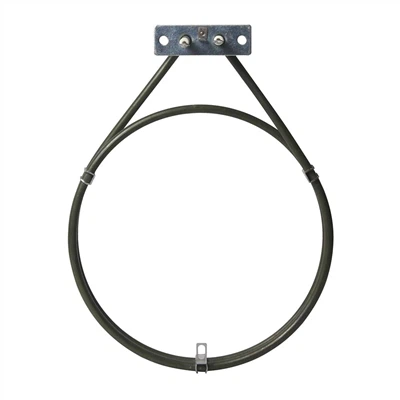
1. New Challenges: Material Longevity, Performance Limits, and Supply Chain Resilience As oven functionalities become more complex, heating elements face tougher tests: Extreme Operating Conditions : Long-term high-temperature cycling and frequent thermal shocks accelerate material degradation,...
06
Jan
 How to Select the Right Heating Tube Material for Your Application
Contents Introduction Core Performance Parameters Comparison Material Characteristics Deep Dive Copper Heating Tubes Stainless Steel 304 Heating Tubes Stainless Steel 316L Heating Tubes Titanium Heating Tubes Application-Specific Recommendations Residential Water Heating Systems Industrial...
06
Jan
 The Smart Heat Revolution: Balancing Performance and Cost in Next-Gen Oven El...
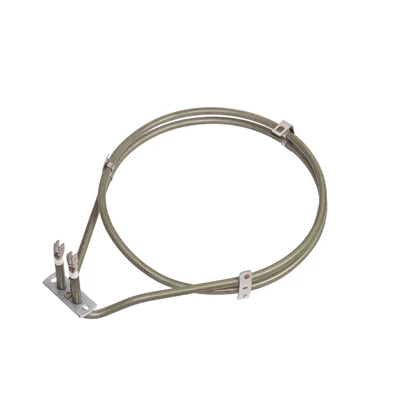
1. Core Industry Pain Points: The Trilemma of Efficiency, Uniformity, and Cost The performance of an oven's "heart"-the heating element-directly dictates the end product's energy efficiency and quality. The industry grapples with three intertwined challenges: High Energy Consumption :...
05
Jan
 How to Select the Right Water Heater Heating Element for Your Application?
Contents Introduction Core Technical Specifications Power Rating and Voltage Requirements Electrical Performance Standards Temperature and Pressure Ratings Material Selection Guide Sheath Materials Internal Construction Performance Testing and Quality Assurance Standard Compliance Critical...
05
Jan
 Open Coil Heaters vs. Tubular Sheathed Heaters: A Narrative Guide to the Righ...
In the pursuit of industrial heat, engineers and designers arrive at a critical junction. Two distinct paths emerge: one paved with the exposed, glowing coils of Open Coil Heaters, the other built upon the robust, sealed shells of Tubular Sheathed Heaters. This is not a choice between “good” and “bad,” but between competing philosophies of efficiency and protection. Selecting the optimal path requires a clear understanding of the terrain ahead—your specific application. Let’s move beyond simple checklists and explore the narrative of each technology.
05
Jan
 How Open Coil Heaters Optimize Textile & Food Drying Processes
In industrial drying applications, efficiency, consistency, and reliability are not just goals—they are economic imperatives. For sectors like textile manufacturing and food processing, where drying is a critical stage, the choice of heating technology directly impacts product quality, operational cost, and production throughput.