Nov 19, 2026
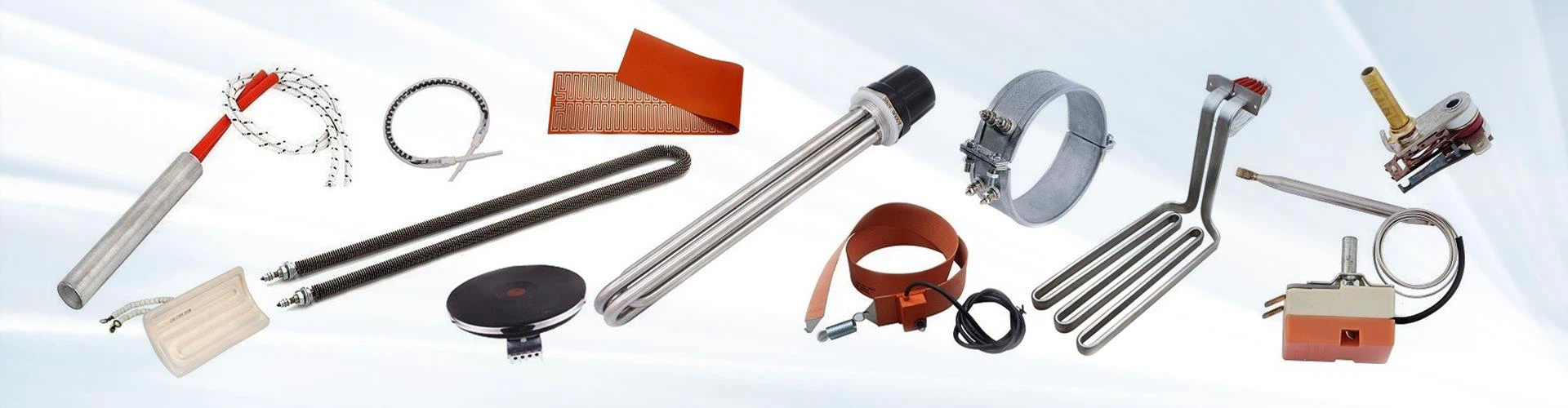
Silicone rubber heaters can be used as flexible surface heating elements on selected parts of waste shredding equipment, including DC motor housings, hydraulic oil pump assemblies and lubrication oil pipes.
In these applications, the heater provides localized heat to support temperature management before or during machine operation.
The required heater design depends on the installation surface, oil characteristics, operating conditions and the machine's temperature-control system.
For waste shredders, heating is not simply about raising the temperature of a component.
It is also about maintaining suitable operating conditions for the drive and lubrication systems, particularly when the machine is exposed to temperature changes, long idle periods or demanding startup conditions.
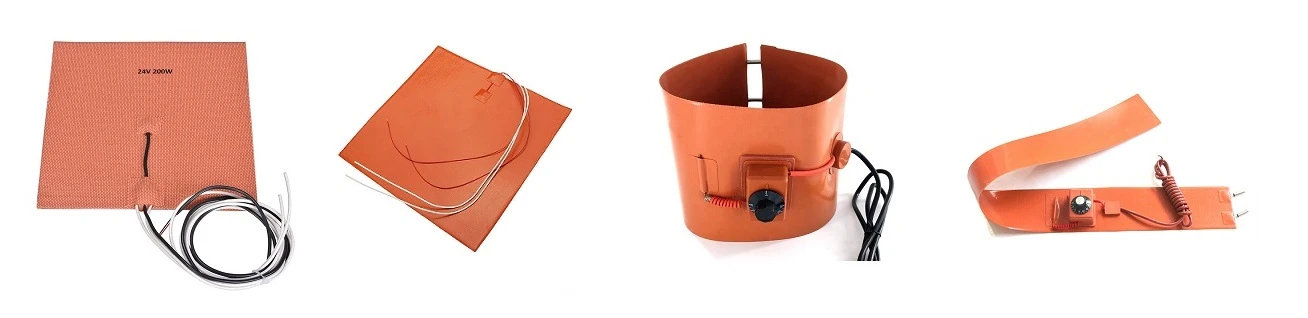
A waste shredder typically combines a motor-driven system with hydraulic and lubrication components. Depending on the machine design, localized heating may be required at several points.
A silicone rubber heater can be attached to a suitable external surface of a DC motor housing when auxiliary surface heating is required.
The purpose is to provide controlled heat to the motor's exterior or a designated mounting area.
This may be considered where the machine experiences low-temperature storage, temperature fluctuations or specific startup requirements.
The installation must account for the motor housing material, available mounting area, heat transfer path and the motor manufacturer's temperature limits.
Important: A surface-mounted silicone heater is not the same as an internal motor winding heater. It should not be installed over electrical terminals, ventilation openings or other restricted areas. The motor manufacturer's requirements must be checked before installation.
Hydraulic oil temperature affects its viscosity.
As oil temperature decreases, its viscosity generally increases, which can make it more difficult for the pump to draw and circulate the oil during startup.
For this reason, some shredding machines use an oil preheating arrangement before the hydraulic power unit starts.
A silicone rubber heater may be installed on a suitable external surface of the pump assembly or an associated oil-containing component, subject to the equipment design.
The actual heating location should be selected according to the oil flow path and the pump manufacturer's requirements.
Heating the pump exterior does not automatically mean that the oil inside the system will reach the required temperature.
The heat transfer path, oil volume, circulation conditions and temperature-sensing position all affect the result.
Lubrication lines may require localized heating when the lubricant becomes too viscous under the machine's operating or storage conditions.
A flexible silicone rubber heater can be shaped to fit a suitable external pipe surface. Its flexibility allows it to follow certain curved or cylindrical installation areas, subject to the pipe diameter, available space and mounting method.
The purpose is to transfer heat through the pipe wall to the lubricant inside.
The actual temperature distribution depends on pipe material, wall thickness, lubricant properties, ambient conditions and heat loss to the surroundings.
The heater should not obstruct pipe connections, valves, inspection points or maintenance access.
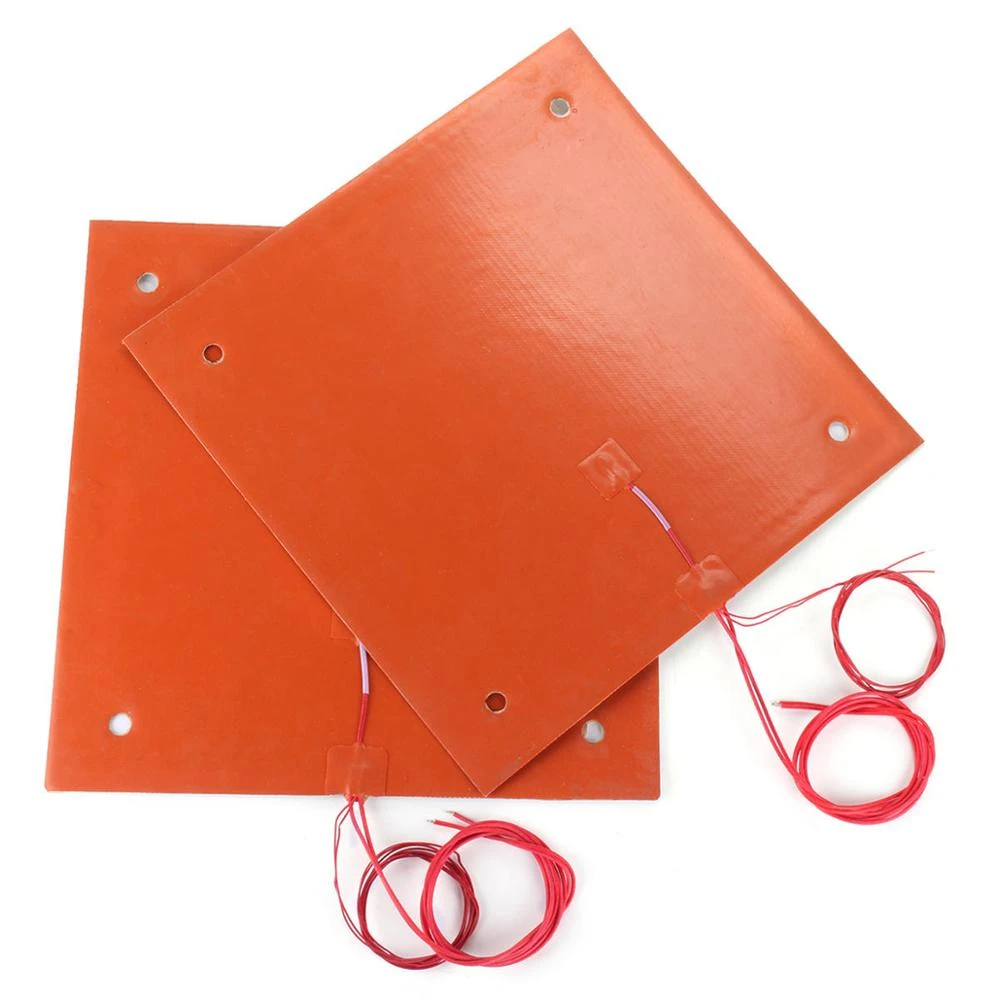
The relationship between oil temperature and viscosity is an important consideration in hydraulic equipment.
When hydraulic oil is too viscous during startup, the pump may experience increased resistance to oil intake and circulation. The resulting operating conditions can contribute to poor flow or cavitation if the pump's inlet requirements are not met.
The correct startup viscosity depends on the hydraulic oil formulation, the pump design and the equipment manufacturer's specifications. There is no single temperature threshold that applies to every waste shredder.
For example, one shredder operating manual specifies that its hydraulic power unit cannot start when the oil temperature is below 0°C. It also describes a preheating sequence before the machine can proceed to normal operation. This is a machine-specific requirement, not a universal operating limit for all shredders.
Therefore, before adding an auxiliary heater, the equipment manufacturer should confirm:
The heater should be specified according to its actual installation point rather than selecting one design for the entire machine.
The motor housing, pump assembly and lubrication pipe have different shapes and heat-transfer conditions.
The heater dimensions should match the available mounting area. For a curved pipe, the heater's dimensions and flexibility must be suitable for the pipe diameter and installation method.
The mounting surface should also be checked for oil contamination, dust, vibration and other conditions that may affect adhesion or mechanical retention.
The rated voltage must match the machine's electrical supply or the designated heater circuit.
Wattage should be evaluated according to the heated surface area, material, target temperature, heat loss and required heating time. A higher wattage does not automatically provide a better result. Excessive surface temperature may damage nearby components or affect the oil and sealing materials.
The required voltage and wattage should be confirmed for each heating position.
The heater's rated temperature and the required working temperature are not necessarily the same.
A temperature sensor or thermostat may be needed to control the heating process. The sensor position should represent the temperature that needs to be controlled, rather than simply measuring a convenient point on the heater surface.
Where overheating could damage the motor housing, oil, pipework or nearby components, an appropriate independent overtemperature protection arrangement should also be considered.
Waste shredders may operate in environments containing dust, oil, vibration and mechanical impact.
The heater construction should therefore be evaluated against the actual installation conditions, including:
A silicone rubber heater should not automatically be considered waterproof, oil-immersible or suitable for every outdoor environment. Its suitability depends on the specified construction and installation conditions.
Waste shredders require regular inspection and maintenance. Heater placement should not prevent access to oil pipes, pump connections, electrical terminals or other service points.
A removable or mechanically secured installation may be more appropriate than permanent bonding in locations where frequent maintenance is expected. The mounting method should be evaluated together with the machine's maintenance procedure.
| Heating position | Main engineering consideration | Information to confirm |
|---|---|---|
| DC motor housing | External surface temperature and motor manufacturer's limits | Housing dimensions, material, allowable temperature and installation area |
| Hydraulic oil pump assembly | Oil temperature and pump startup requirements | Pump structure, oil type, startup temperature and heating location |
| Lubrication oil pipe | Heat transfer through the pipe wall and lubricant viscosity | Pipe diameter, material, length, oil type and target temperature |
These three positions should be assessed separately.
Their voltage, wattage, dimensions and temperature-control requirements may be different, even when they are installed on the same machine.
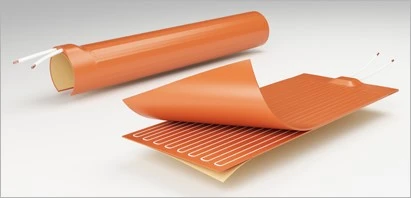
The same flexible surface-heating principle can be used in other industrial equipment where localized heating is required.
Each application requires its own assessment of the heated material, operating temperature, heat loss, mounting method and electrical safety requirements.
They can be used as external surface heaters on suitable oil-containing components or pipework.
However, the heater's ability to warm the oil depends on the contact area, oil volume, pipe or tank material, heat loss and circulation conditions.
The required oil temperature and startup viscosity must be confirmed by the equipment manufacturer.
A silicone rubber heater may be considered for a suitable external motor housing surface if the motor manufacturer permits this installation.
It should not be assumed suitable for internal windings, electrical terminals or ventilation areas.
The motor's temperature limits and electrical protection requirements must be checked first.
Not necessarily. The pump assembly and lubrication pipe have different dimensions, materials and heat-transfer conditions.
Their required wattage should be evaluated separately according to the target temperature, heated area, oil properties and heat loss.
Temperature control is often important when heating oil-related components or motor housings.
Whether a thermostat, temperature sensor or independent overtemperature protection is required depends on the machine's control design and the permitted temperature range.
Suitability depends on the heater construction and installation protection. Dust exposure, oil contamination, vibration, lead-wire routing and mechanical damage should all be considered.
A standard silicone rubber heater should not be assumed to have a specific IP rating unless that rating has been verified for the supplied design.

Send your inquiry about cosmetic tubes to us and experience the transformative power it can have on your business.
Previous: No Information
Next: JAYE Thick Film Heater vs Heatron Thick Film Heater: Compact Devices