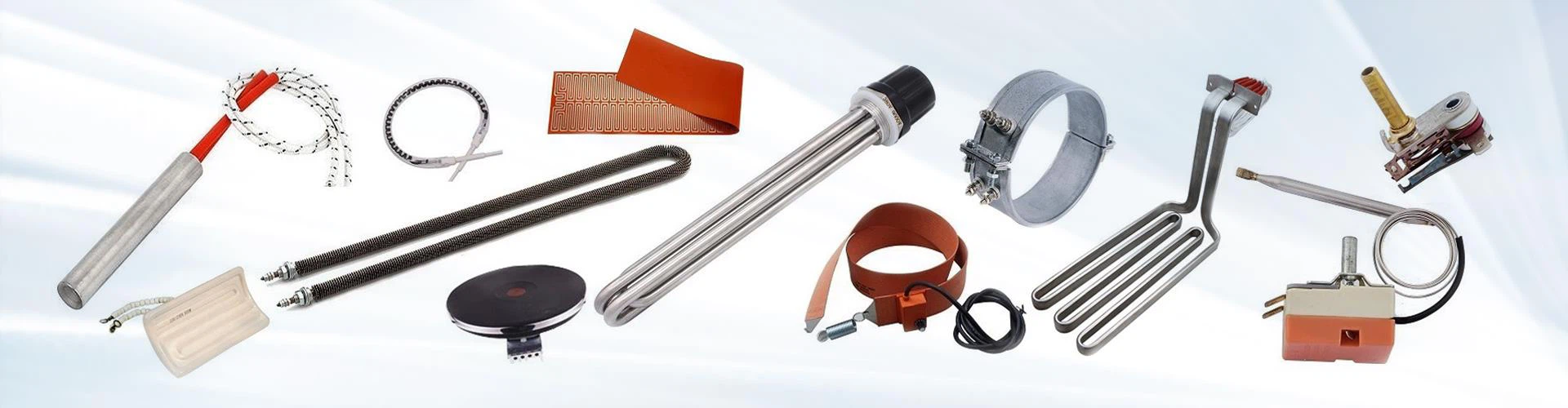
PTC (Positive Temperature Coefficient) heating elements and traditional electric heating tubes are two different types of heating technologies. Here are the key differences between them:
Heating Principle:
- PTC Heating Element: PTC elements rely on the positive temperature coefficient of certain materials. As the temperature of the PTC element increases, its electrical resistance also increases. This self-regulating property allows PTC elements to maintain a relatively constant temperature without the need for additional control devices.
- Traditional Electric Heating Tube: Traditional heating tubes, such as resistance wire heating elements, work by passing an electric current through a resistive wire, which generates heat due to its electrical resistance. The heat output of traditional heating tubes is generally controlled by external devices like thermostats or control systems.
Temperature Control:
- PTC Heating Element: PTC elements have inherent self-regulating properties, which means that they can stabilize their temperature without external control devices. As the temperature rises, the resistance of the PTC element increases, causing a decrease in current flow and consequently reducing the heat output.
- Traditional Electric Heating Tube: Traditional heating tubes require external control mechanisms like thermostats to regulate the temperature. The thermostat measures the temperature and controls the power supplied to the heating tube accordingly, maintaining the desired temperature range.
Safety Features:
- PTC Heating Element: PTC elements have built-in safety features due to their self-regulating behavior. If the ambient temperature rises excessively or the PTC element gets covered or blocked, its resistance increases, resulting in reduced current flow and heat output. This characteristic prevents overheating and reduces the risk of fire hazards.
- Traditional Electric Heating Tube: Traditional heating tubes do not possess inherent self-regulating capabilities, so they rely on external safety mechanisms like thermal fuses or temperature sensors to prevent overheating. These additional safety devices are required to ensure the heating tube does not exceed safe temperature limits.
Application Range:
- PTC Heating Element: PTC elements are commonly used in various applications, including space heaters, hair dryers, automotive heaters, and electronic equipment. They are particularly suitable for applications that require self-regulating temperature control.
- Traditional Electric Heating Tube: Traditional heating tubes find applications in water heaters, ovens, industrial heating processes, and other devices where external temperature control is preferred. They offer a wide range of heat outputs and can be precisely controlled based on the specific requirements.
In summary, PTC heating elements and traditional electric heating tubes differ in their heating principles, temperature control mechanisms, safety features, and application range. PTC elements are self-regulating, do not require external control devices, and offer inherent safety features, while traditional heating tubes rely on external controls and additional safety mechanisms.