Aug 15, 2023
A thick film heater is a type of heating element that is created using a specialized printing process involving thick layers of conductive and resistive materials on a substrate. This manufacturing process is commonly used to create heating elements for various applications, including in appliances like ovens, stovetops, automotive components, industrial equipment, and more. Here's an overview of the typical manufacturing process for a thick film heater:
1. Substrate Preparation: The process begins with selecting a suitable substrate material. Common substrate materials include ceramics, stainless steel, or glass. The choice of substrate depends on factors like the desired temperature range, thermal conductivity, and compatibility with the intended application.
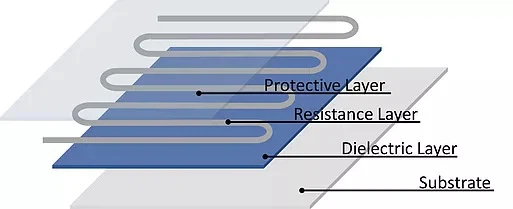
2. Screen Printing: Screen printing is the key technique used in creating thick film heaters. A screen with a patterned mesh is prepared, and a paste containing conductive and resistive materials is applied to the screen. The paste is then forced through the mesh onto the substrate, depositing a thick layer of material onto the substrate's surface. This layer forms the heating element's circuitry and resistive elements.
3. Layer Deposition: The screen printing process is repeated multiple times to create different layers of materials. Each layer may have a specific function, such as the main heating circuit, temperature sensors, or insulation layers. The number and arrangement of layers depend on the heater's design and specifications.
4. Drying and Curing: After each layer is printed, the substrate is typically dried to remove any solvents from the paste. Then, the substrate is heated to cure the deposited materials. Curing ensures that the printed layers adhere properly to the substrate and achieve the desired electrical and thermal properties.
5. Trimming and Shaping: Once all the required layers are printed and cured, the heater may be trimmed and shaped to the desired dimensions. This can involve cutting the substrate to the required size and shape using techniques like laser cutting or mechanical cutting.
6. Electrical Connections: Electrical leads or connectors are attached to the conductive traces of the thick film heater. These connections allow the heater to be powered and controlled by external systems.
7. Testing: Before the thick film heater is used in its intended application, it undergoes various testing procedures to ensure its functionality, reliability, and safety. These tests may include electrical resistance testing, thermal performance testing, insulation resistance testing, and more.
8. Integration: The completed thick film heater can be integrated into the final product, whether it's an appliance, automotive component, or industrial equipment.
It's important to note that the manufacturing process can vary based on the specific application and design requirements of the thick film heater. The conductive and resistive materials used in the paste can also vary, with materials like silver, palladium, and platinum commonly used due to their high conductivity and stability at elevated temperatures. The screen printing process allows for precision in creating complex patterns and designs, making it a versatile method for producing customized heating elements.