Sep 19, 2023
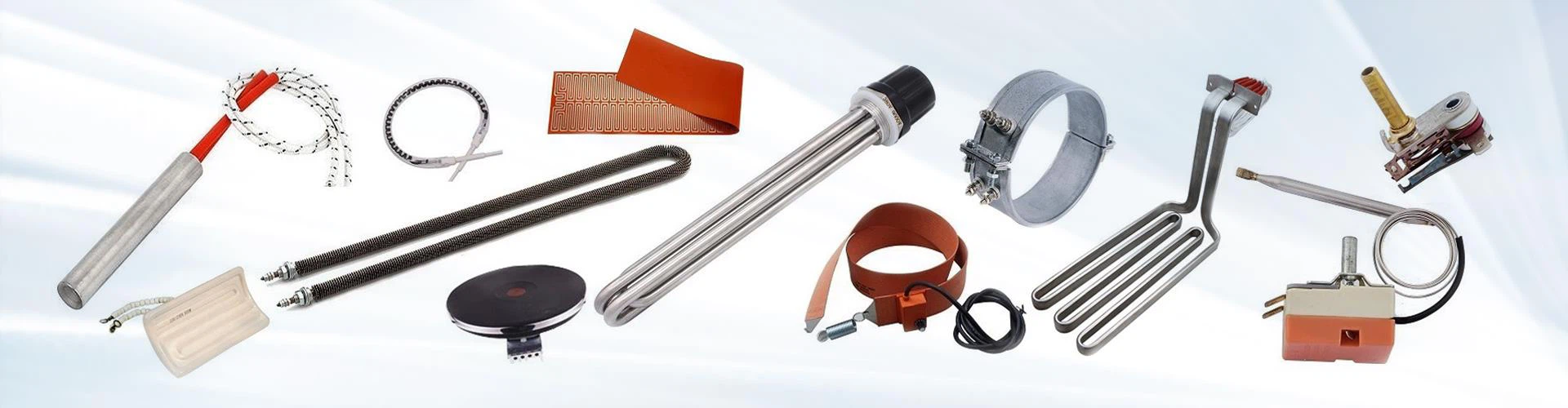
Tubular heating elements are commonly used in various industrial and commercial applications, including food processing, chemical processing, and HVAC systems. These elements are designed to generate heat by passing an electric current through a metal tube, which is filled with a heating element or coil.
The materials used to construct tubular heating elements depend on the specific application and the desired temperature range. Typically, these elements are made from stainless steel, which is a strong, corrosion-resistant metal that can withstand high temperatures. Other materials that are commonly used include copper, Incoloy®, and titanium.

Stainless steel is an excellent choice for tubular heating elements because it can withstand temperatures of up to 1200°F (650°C), making it suitable for many high-temperature applications. This material is also highly durable and corrosion-resistant, making it ideal for use in harsh environments.
Copper is another popular material for tubular heating elements, as it has excellent thermal conductivity and can heat up quickly. It is also highly malleable, making it easy to shape and form into different configurations.
Incoloy® is a high-performance nickel alloy that is commonly used in tubular heating elements for high-temperature applications. This material can handle temperatures of up to 1700°F (925°C) and has excellent resistance to oxidation and corrosion.
Finally, titanium is sometimes used in tubular heating elements for applications where corrosion resistance is critical. This material is highly resistant to corrosion and can withstand temperatures of up to 1200°F (650°C).
In conclusion, the materials used to construct tubular heating elements play a critical role in their performance and durability. By selecting the appropriate materials for a given application, manufacturers can ensure that their heating elements will perform reliably and efficiently over time.
Previous: How does the IBC heater improve heat transfer efficiency for faster heating times?
Next: Are there any maintenance requirements or precautions associated with silicone rubber heaters?