Nov 14, 2025
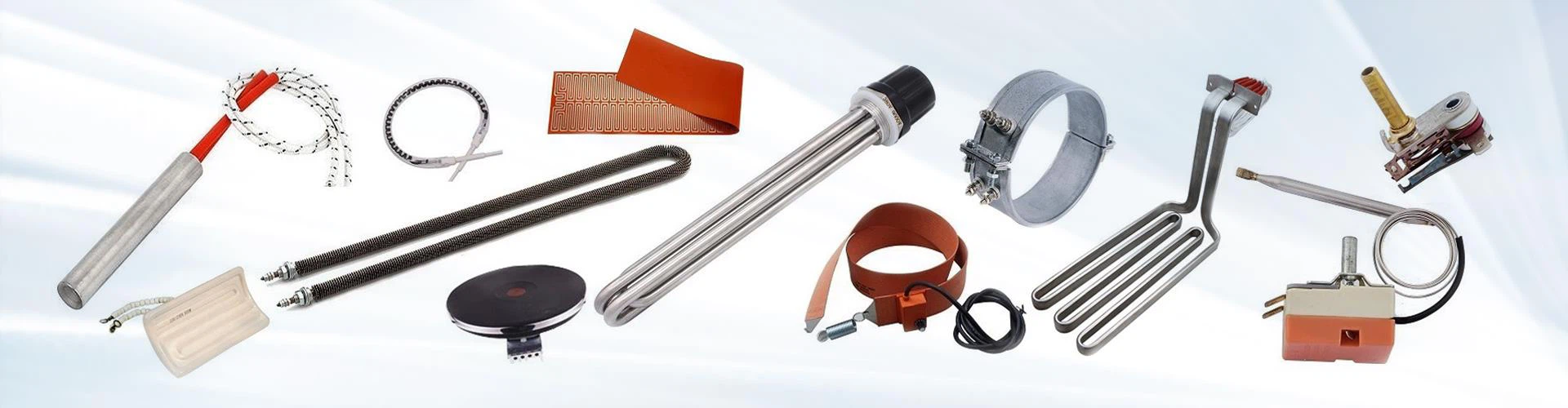
Extruders utilize various heating technologies to achieve precise temperature control for different materials and processes. Here are the primary types of heating elements employed in extrusion systems:
1. Cast Aluminum Heaters
Most common choice for industrial extruders
Heating wires embedded in aluminum alloy through die-casting
Excellent heat transfer and mechanical durability
Suitable for temperatures up to 450°C
Resistant to moisture, chemicals, and physical impact


2. Ceramic Heaters
Cost-effective solution for smaller extruders
Fast heating capability
Fragile construction requiring careful handling
Limited mechanical shock resistance
Ideal for applications where quick temperature changes are needed
3. Mica Insulated Heaters
Lightweight and economical option
Good thermal performance for standard applications
Susceptible to moisture absorption
Moderate service life compared to cast heaters
Commonly used in budget-conscious operations
4. Flexible Silicone Rubber Heaters (including spiral designs)
Superior flexibility and vibration resistance
Easy installation and removal for maintenance
Excellent conformity to barrel contours
Lower maximum temperature (typically 250°C)
Perfect for R&D applications and frequent screw changes
5. Cast Copper Heaters
Premium choice for precision applications
Exceptional thermal conductivity
Superior temperature uniformity
Significant weight and cost considerations
Essential for processing sensitive engineering materials
6. Electromagnetic Induction Heaters
Advanced technology with highest efficiency
Direct barrel heating through electromagnetic induction
Fastest response to temperature adjustments
Requires substantial initial investment
Ideal for high-volume production lines
Selection Criteria:
Process Requirements: Temperature range, heating rate, uniformity needs
Operational Conditions: Continuous vs batch processing, maintenance frequency
Material Characteristics: Sensitivity to temperature variations, processing temperatures
Economic Factors: Initial cost, energy efficiency, maintenance expenses
Physical Constraints: Space limitations, weight restrictions, installation access
Each heating technology offers distinct advantages, with cast aluminum remaining the industry standard for general-purpose extrusion, while specialized applications may benefit from the unique properties of copper, flexible silicone, or induction heating systems. The choice ultimately depends on specific process requirements, budget considerations, and performance expectations.
Extruders utilize various heating technologies to achieve precise temperature control for different materials and processes. Here are the primary types of heating elements employed in extrusion systems: