Dec 30, 2023
Thick film heating elements are essential components in various industries, including electronics, automotive, healthcare, and aerospace. These heating elements provide a reliable and efficient source of heat for various applications, such as heating liquids, gases, and solids. The success of thick film heating elements depends on the materials used in their manufacture.
The manufacturing process for thick film heating elements involves depositing a layer of conductive ink onto a substrate and then sintering it at a high temperature to produce a dense, uniform conductive layer. The choice of materials used in the production of the ink and substrate plays a crucial role in the performance and reliability of the heating element.
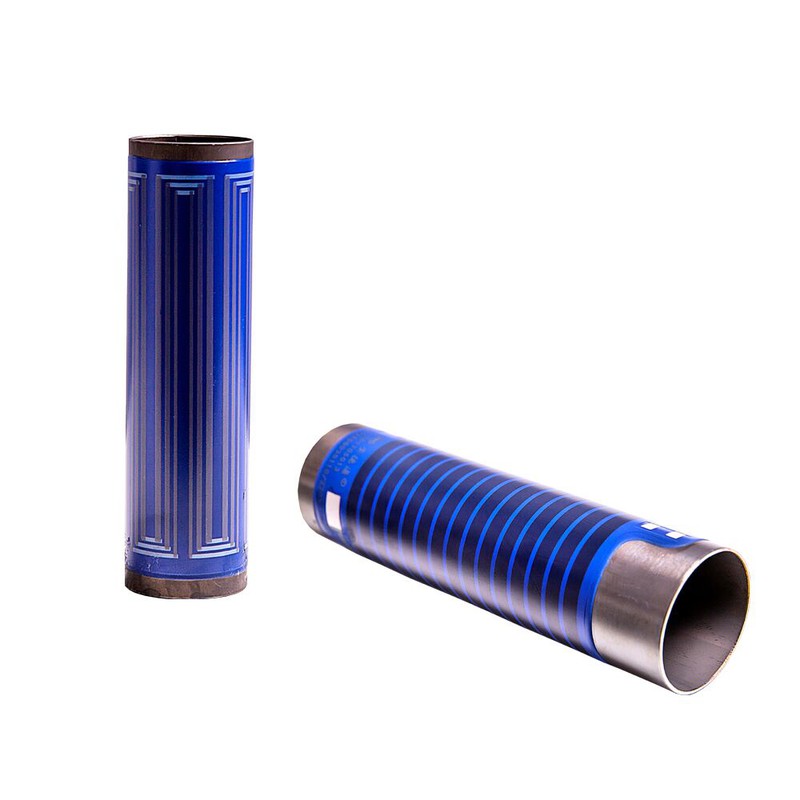
The most commonly used materials in thick film heating elements include glass, ceramic, and metal. Glass and ceramic are excellent substrates due to their thermal stability, high resistance to thermal shock, and chemical resistance. They also have a high dielectric strength, which is critical in preventing electric arcing between the conductive layers. Metal substrates, on the other hand, provide excellent thermal conductivity, making them ideal for high-temperature applications.
Inks used in the manufacture of thick film heating elements consist of metal powders, glass frits, and organic solvents. Silver is the most commonly used metal in the ink, as it has a high conductivity and is resistant to corrosion. Other metals, such as platinum and palladium, are also used in some applications where higher temperatures and chemical resistance are required. Glass frit is added to the ink as a binder and to improve the adhesion of the conductive layer to the substrate.
In conclusion, thick film heating elements are made of materials that are specifically chosen to provide high performance, reliability, and longevity. The use of glass, ceramic, and metal substrates, along with conductive inks made of metals and glass frit, ensures that these heating elements are rugged and can survive harsh environments. With the right materials, thick film heating elements can provide efficient and effective heating for decades, making them a preferred choice for many industries.
Previous: What safety precautions should be taken when handling Thick Film Heating Elements?
Next: Do you know the difference between type S and type R thermocouples?