11
Oct
 Silicon Carbide Heating Solutions: Balancing High Performance with Cost-Effec...
Introduction & Industry Challenges Silicon Carbide (SiC) heaters are critical components in high-temperature industrial processes, renowned for their superior thermal stability, corrosion resistance, and long service life compared to metallic alternatives. However, engineers and procurement...
10
Sep
 Rising Temperatures, Rising Demand: Insights into the Aluminum Finned Air Hea...
The aluminum finned air heater market is a small segment of industrial heating solutions that is growing as a heat source that is efficient, reliable and versatile. Air heaters are utilized in manufacturing, HVAC, automotive, and process applications that utilize aluminum fins to help transfer heat efficiently.
09
Sep
 Harnessing Efficiency: Open Coil Heaters for Air and Gas Heating Applications
Precise and efficient heating during modern industrial processes is extremely critical for both performance and energy savings. Open coil heaters, among the many heat solutions, offer a very reliable and flexible choice for air (and gas) heating. Their unique design and operational flexibility make them ideal for many different industries, including plastics, packaging, HVAC, and laboratory systems.
27
Aug
 Heating Up the Industry: Materials and Structures of Stove Coil Heating Elements
Stove coil heating elements are a critical component of electric stoves, hot plates, and industrial heating devices. Knowing about the materials and construction of stove coil heating elements is very important to manufacturers, engineers, and end-use customers looking for maximum performance, energy efficiency, and minimum downtime.
26
Aug
 Inside the Core: Exploring the Technology and Structure of Water Heating Elem...
Water heating elements are the unseen backbone of countless systems, from household appliances to large-scale industrial equipment. Despite their simplicity in appearance, their technology and structural design are the result of precise engineering tailored to achieve efficient, safe, and durable heating.
15
Jul
 JAYE How to USE PTFE Immersion Electric Heater
To safely and effectively use a PTFE Immersion Electric Heater (like those from JAYE or similar brands), follow the steps below. These heaters are typically used in corrosive chemical tanks, such as acid baths, cleaning tanks, or plating solutions.
08
Jul
 How To Use Pump Flat Heater In Semiconductor Applications
The Vacuum Pump Flat Heater is an effective precision illustration heating solution for providing stability for vacuum pumps used in semiconductor/electronics manufacturing environments. The vacuum pump flat heater can help eliminate condensation that may form when reactive gases and/or chemical vapors condense, especially in some applications where pump oil is damaged from contaminated vapors. Condensate on pump oil can be an issue on system performance and result in unprevtioned downtime on the system. Idealvac Vacuum Pump Flat Heater is best suited for dry pumps and oil sealed rotary vane pumps in processes like etching, deposition (CVD/PVD), ion implantation and wafer cleaning.
11
Jun
 Copper Flange Immersion Heaters: The Unsung Heroes of Industrial Heating – Ar...
In the vast world of industrial heating, copper flange immersion heaters stand out for their exceptional thermal conductivity, corrosion resistance, and energy efficiency. Yet, many industries still struggle with premature failures, inefficiency, and safety risks due to improper selection, installation, or maintenance. Are you maximizing their potential? Are you aware of their limitations? What separates a high-performing copper flange heater from a failing one? This article dives deep into industry knowledge, common pitfalls, and best practices to help you optimize performance and longevity.
11
Jun
 JAYE How to Use Immersion flange heater in Commercial Water Heaters
Installation Flanged Types : Bolt to a tank's companion flange for pressurized systems (common in industrial boilers). Screw Plug Types : Thread into tank openings for smaller tanks or retrofit applications. Over-the-Side : Hang from the tank top for portable or temporary setups. Operational...
16
May
 JAYE How to Use Ceramic Radiant Tube Furnace Heater in Metal Processing?
1. Typical Applications Annealing Furnaces – Softens metals for machining. Forging & Heat Treatment – Provides consistent heat for hardening/tempering. Aluminum Extrusion – Pre-heats billets uniformly. Steel Galvanizing – Maintains bath temperatures in zinc coating...
15
May
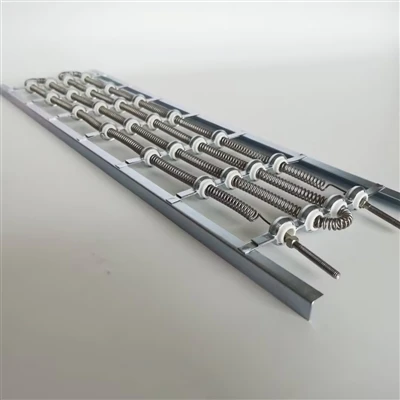 Why Choose Open Coil Heaters for Air/Gas Heating?
1. Typical Applications Industrial Air Heaters – Used in ovens, furnaces, and drying systems . HVAC & Ventilation – Installed in ducts, air handlers, and heat recovery units . Process Heating – Preheats combustion air, exhaust gases, or industrial airflow . 2....
14
May
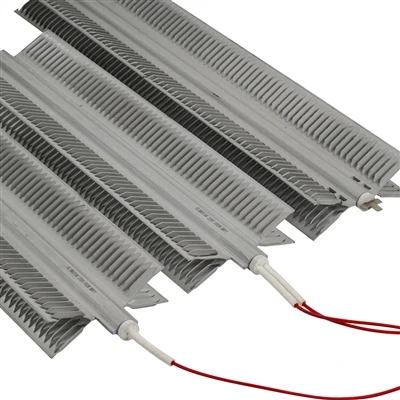 How to Use in Air & Gas Heating:
1. Typical Applications Duct Heaters – Installed in HVAC ducts for commercial/industrial air heating . Process Air Heating – Used in drying ovens, paint booths, and combustion air preheating . Ventilation Systems – Prevents condensation in storage facilities or cleanrooms . 2....
09
May
 How to Use Gate Puzzle Coil Heaters in Injection Molding
Gate Puzzle Coil Heaters are essential for maintaining precise temperature control at the gate in hot runner systems. Below is a step-by-step guide for proper installation, operation, and maintenance.
03
Mar
 How to use PTFE Heaters in Water&Wastewater Treatment applications
Choose the Appropriate Heater Type: Immersion Heaters: Submerge directly into the tank or treatment vessel for heating liquids. Inline Heaters: Installed in pipelines for heating water as it flows through. Over-the-Side Heaters: Mounted at the side of tanks for easy access and maintenance....
20
Feb
 How to use JAYE Finned Tubular Heater in Heating Chemical Storage Tanks and P...
JAYE Finned Tube Heaters are designed for efficient heating of chemical storage tanks and pipelines commonly used in industries such as chemical, petrochemical, pharmaceutical and food processing. Their finned design increases heat transfer, ensuring rapid and uniform heating while improving...
03
Dec
 How to use Fin Heater in Water Heating
Using a Fin Heater in water heating applications is an efficient way to increase heat transfer and ensure faster, more effective heating of water. These heaters are commonly used in hot water tanks, boilers, and tankless water heaters due to their ability to maximize the heat exchange between the heating element and the water. Below are some key points on how to use Fin Heaters in water heating systems:
12
Nov
 How to use Coil Heating Elements in Plastic and Rubber Molding
Using coil heating elements in plastic and rubber molding involves several critical steps to ensure efficient, consistent, and safe heating. Here’s a breakdown of how to use these elements effectively in plastic and rubber molding applications, especially for injection molding and extrusion.
23
Aug
 Precautions for using fin heaters
When using finned heaters, it's essential to follow certain precautions to ensure safe operation, maintain efficiency, and extend the heater's lifespan. Here are some key precautions to consider:
30
May
 How To Select To Use Flange Immersion Heater Or Screw plug heater?
Flange immersion heaters and screw plug heaters are both types of electric heaters used to heat liquids and gases in tanks and vessels. Despite their similar applications, they have distinct differences in design, installation, and typical use cases. Here's a detailed comparison: Flange...
05
Apr
 Why Do Finned Heaters Require Proper Airflow For Optimal Performance?
Finned heaters require proper airflow for optimal performance for several reasons: 1. Heat Dissipation : Proper airflow helps to dissipate heat generated by the heating element and fins. As the heater operates, heat is transferred to the surrounding air or gas. Without adequate airflow, heat can...