24
Aug
 How Do U-Shaped Resistors Support Elevator Braking Systems?
Elevator braking systems require reliable control of electrical energy during acceleration and deceleration. When an elevator slows down, its motor can operate as a generator and produce regenerative energy. If this energy is not properly managed, it can cause the DC bus voltage of the elevator...
21
Aug
 X-Shaped Aluminum Finned Heaters for HVAC and Air Duct Heating
Heating air inside an HVAC system or air duct may seem straightforward: install an electric heater, energize it, and warm the air. In practice, an air-heating element has to work with the airflow, duct size, control system and surrounding equipment. This is why HVAC manufacturers often use finned tubular heating elements rather than bare tubular heaters when electrical heating is required. An X-shaped aluminum finned heater is one possible finned heating element configuration for air-heating applications. Its basic purpose is simple: Generate heat electrically and transfer that heat efficiently to moving air. The actual heater design, however, depends on the application. This article explains how X-shaped aluminum finned heaters can be used in HVAC and air duct heating systems, what information should be considered during selection, and why airflow is an important part of the design.
21
Aug
 How Are Heating Elements Used in Elevator Systems?
Elevator systems are often installed in buildings, industrial facilities, transportation hubs, and outdoor environments where temperature and humidity can vary significantly. In cold or humid conditions, heating elements can help maintain the operating temperature of key electrical and...
21
Aug
 X-Shaped Aluminum Finned Heaters for Electric Convection Heaters: How Do They...
Electric convection heaters are designed to warm surrounding air without relying on a separate heating medium such as hot water or steam. Inside the heater, an electric heating element generates heat. The surrounding air absorbs that heat and moves through the room by convection. This sounds simple, but the way the heating element is designed can have a significant effect on the size, surface temperature and heat-transfer behavior of the finished heater. One type of heating element used for air-heating applications is the X-shaped aluminum finned heater. So how does an X-shaped finned heating element work inside an electric convection heater, and why are aluminum fins used in the first place?
21
Aug
 Why Consistent Fin-to-Sheath Brazing Quality Matters for Load Bank Heater Rel...
Contents The Thermal Problem No One Talks About Brazed vs. Crimped: The Real Difference What Happens When Brazing Quality is Inconsistent What This Means for Load Bank OEMs What We Do at Jaye Heater If you've ever had a load bank fail in the field, chances are the heating elements were the...
21
Aug
 Why Are Cast Aluminum Heaters Used in Plastic Processing Machines?
 Temperature control is a critical factor in plastic processing. Equipment such as injection molding machines, extrusion machines, and plastic forming systems require stable and uniform heating to ensure consistent product...
21
Aug
 How to Calculate the Required Wattage for an Air Heating Element
It is tempting to choose a heating element simply by looking at the size of the equipment or the required temperature. In practice, the required heating power depends on several factors, especially the airflow and the temperature increase required by the application. For applications using an X-shaped aluminum finned heater or another type of finned tubular heating element, a basic heat calculation can provide a useful starting point before the heater design is finalized. This article explains the basic calculation method and the information needed to estimate the required wattage for an air heating application.
21
Aug
 How Airflow Affects the Performance of an X-Shaped Aluminum Finned Heater
When selecting an X-shaped aluminum finned heater for an air-heating application, many customers start with two specifications: Voltage and wattage. These are certainly important. But when the heater is used to heat moving air, there is another factor that can have a major influence on its actual working condition: Airflow. A 2000 W finned heater does not necessarily perform the same way in every application. The way heat is transferred from the heating element to the air depends not only on the electrical power, but also on how much air passes over the heated surface and how quickly that air moves. This is especially important for X-shaped aluminum finned heating elements because the fins are designed to increase the heat-transfer area between the heating tube and the surrounding air. Understanding the relationship between airflow and heater performance can help avoid common design problems such as insufficient heating, excessive surface temperature and unstable operation.
21
Aug
 How Are NTC Sensors Used in Free Cooling Devices for Cold-Climate Data Centers?
Contents What Is Free Cooling? Why Is Free Cooling Important in Mongolia? Why Are NTC Sensors Used? How Does an NTC Sensor Help Control Free Cooling? Step 1: Monitor Outdoor Temperature Step 2: Compare Indoor and Outdoor Temperatures Step 3: Adjust the Air Damper Step 4: Control Fan Operation...
21
Aug
 How Are Cartridge Heaters Used in PET Extruder Backflush Filters?
Contents Why PET Extrusion Backflush Filters Need Reliable Heating? What Is a PET Extruder Backflush Filter? Why Cartridge Heaters Are the Preferred Choice 1. High Temperature Resistance 2. High Watt Density 3. Uniform Heat Distribution 4. Long Service Life Key Design Considerations Benefits for...
20
Aug
 How Finned Heating Tubes Improve Heat Transfer Efficiency in Load Bank Designs?
If you design load banks for generator testing, UPS validation, or power plant commissioning, you know the challenge: how do you pack more power into a smaller enclosure without cooking the components around it? Load banks are essentially resistor banks that convert electrical energy into heat....
20
Aug
 How Do U-Shaped Resistors Improve Elevator Braking Performance?
Elevator systems frequently accelerate, decelerate, and change direction during daily operation. During braking, the elevator motor can operate as a generator and return electrical energy to the drive system. If this regenerative energy is not properly handled, the DC bus voltage of the elevator...
21
Aug
 How Silicone Rubber Heaters Improve Reliability of Electrical Cabinets?
 Electrical cabinets are widely used in industrial automation, control systems, and outdoor equipment. However, temperature changes and high humidity environments can create problems such as condensation, corrosion, and...
20
Aug
 Where to Source High-Quality Finned Tubular Heaters for Load Bank Manufacturing?
If you manufacture load banks for generator testing, power plant commissioning, or UPS validation, you already know that the heating elements are the heart of your product. They have to handle continuous duty cycles, dissipate massive amounts of power, and do it reliably for years. When a load...
20
Aug
 How Does a Cast Aluminum Heater Improve Heat Distribution?
 Uniform heat distribution is an important factor in many industrial and commercial heating applications. Uneven heating can lead to temperature differences, reduced efficiency, and poor product performance. Cast aluminum heaters provide...
20
Aug
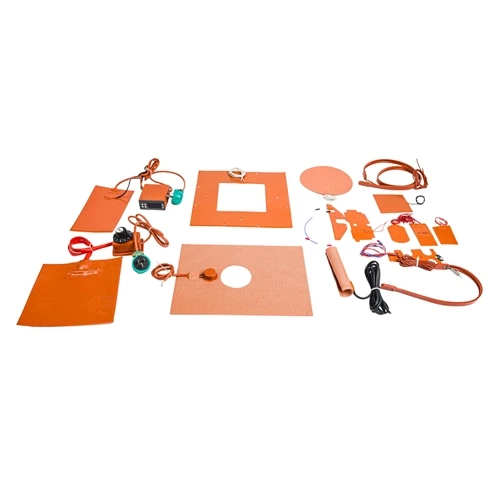 How to Protect Electrical Cabinets from Moisture and Condensation?
 Condensation inside electrical enclosures is a common problem in industrial environments, especially where temperature changes, high humidity, or outdoor conditions are present. Moisture buildup can cause corrosion, short...
19
Aug
 What Information Is Needed to Specify an X-Shaped Aluminum Finned Heater?
An X-shaped aluminum finned heater is a customized component in many applications. Its performance depends not only on voltage and wattage, but also on the heater dimensions, airflow, operating temperature, tube material, fin structure and installation conditions. This is why two heaters with the same voltage and wattage may still require completely different designs. If you are preparing an RFQ for an X-shaped aluminum finned heater, the following information will help a manufacturer evaluate the application and provide a more accurate quotation.
19
Aug
 How PTFE Heaters Are Used in the Chemical Industry?
Contents How Do PTFE Heaters Work in Chemical Applications? How Are PTFE Heaters Used in Chemical Tanks? How Do PTFE Heaters Handle Corrosive Chemicals? How Can PTFE Heaters Be Applied to Chemical Processing Equipment? How Should You Select a PTFE Heater for Chemical Heating? How Can PTFE...
19
Aug
 X-Shaped Aluminum Finned Heater vs. Conventional Finned Tubular Heater: What ...
When looking for a heating element for air heating equipment, you may come across different types of finned tubular heaters. Some use straight fins, some use spiral fins, and others use a cross or X-shaped fin structure. At first glance, they may look like very different products. In fact, the basic heating principle is the same. An X-shaped aluminum finned heater is still a tubular electric heating element. The heating tube generates the heat, while the aluminum fins help transfer that heat to the surrounding air. The main difference is the fin structure and the way the fins interact with moving air. So, is an X-shaped finned heater better than a conventional finned tubular heater? Not necessarily in every application. The right choice depends on the heater size, airflow, required temperature, available installation space and overall equipment design. This article explains the difference from a practical engineering point of view.
19
Aug
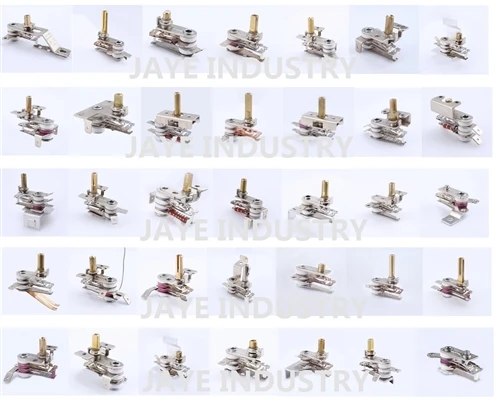 Why Gravity Feed Iron OEMs Prefer KST Thermostats Over Other Types?
Walk into any professional laundry or tailor shop, and you'll see gravity feed irons lined up on the pressing tables. Heavy, solid, steam-powered workhorses that run for hours every day. These aren't the lightweight consumer irons you find at department stores. They're built for...